
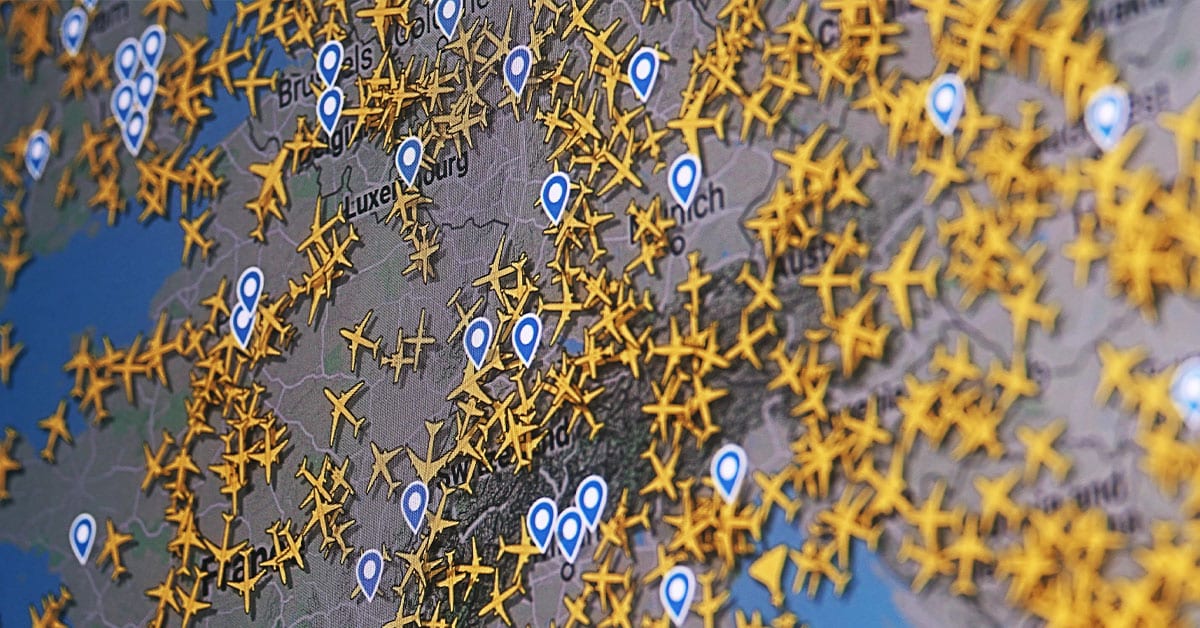

This summer, European air travel encountered unprecedented disruptions, with delays significantly surpassing expectations. Passengers experienced frustrating delays, with over 33% of flights arriving late. At the heart of these issues was Eurocontrol’s struggle to manage a surge in summer traffic, leading to lengthy arrival times for many travellers.
The air traffic control organisation faced a challenging period, described as one of the most complex in recent memory. With traffic increasing and various operational constraints, managing flight schedules became a daunting task. Such widespread delays underscore the pressing need for enhancements in air traffic management strategies.
Increased Summer Traffic Pressure
The European air traffic network experienced unexpected strain this summer, as traffic surged by 5% from last year. This increase in flights led to severe congestion, causing over one-third of arrivals to face delays exceeding 15 minutes. Eurocontrol, the air traffic management organisation, described the situation as exceedingly complex, attributing prolonged delays to this unexpected surge in air traffic.
Reasons Behind the Delays
Several factors led to the disruptions experienced by travellers. Among the primary reasons was the shortage of air traffic controllers, which significantly impacted the network’s capacity to manage increased air traffic. Additionally, air navigation service providers failed to deliver the expected capacity, compounding the problem.
Bad weather was another factor. It frequently affected flight schedules, leading to deviations from planned routes. Consequently, many flights did not adhere to their original flight plans, further complicating air traffic control efforts.
Statistical Highlights
Delays averaged over 21 minutes this summer, which ranks close to the worst levels seen in the past two decades.
The report highlighted that en-route delays increased to 4.6 minutes per flight, a significant rise of 52% from 2023. This was the second worst year on record in terms of delays, underscoring the severe challenges faced by air traffic management. The high volume of flights was a key contributor to these statistics, with an average of 34,042 flights recorded daily during the peak months from June to August.
While overall traffic was still 2.6% below the figures for summer 2019, a notable shift in travel patterns was observed. Many air traffic control centres were burdened with significantly higher traffic levels than anticipated, illustrating the uneven distribution of flights across the network.
Impact of Geopolitical Tensions
Geopolitical factors also played a crucial role. The demand for flights to traditional holiday spots in Southern Europe remained high, while changing traffic patterns were influenced by Russia’s invasion of Ukraine and conflicts in the Middle East.
These geopolitical tensions led to rerouted and additional flights in certain regions, further overpowering already stressed air traffic control systems.
Eurocontrol’s Analysis
Eurocontrol’s newly published report provides insights into these unprecedented delays, suggesting a need for systemic changes. Beyond 2025, Eurocontrol highlights the necessity for structural reform to tackle anticipated traffic growth and climate change impacts.
The report emphasizes that without addressing these systemic issues, delays may continue to plague the European airspace.
Future Projections
Looking ahead, Eurocontrol anticipates further challenges if these structural issues are not addressed. The organisation stressed the importance of enhancing the capacity of the air traffic network to meet rising travel demands.
Structural reforms aimed at improving efficiency and resilience are crucial. The agency suggests that only through comprehensive systemic changes can the network withstand future pressures and improve punctuality.
Given the expected rise in air travel, particularly to and from Southern Europe, urgent attention to air traffic management and infrastructure is essential.
Recommendations for Improvement
Eurocontrol has outlined several key measures to mitigate such delays in the future. These include increasing the number of trained air traffic controllers and investing in advanced air traffic management technologies.
Implementing these solutions can significantly enhance the efficiency and capacity of air traffic networks. Such improvements are imperative to prevent similar disruptions in subsequent high-traffic periods.
Furthermore, better coordination between different air navigation service providers is recommended to ensure a seamless flow of air traffic across regions.
Passenger Experience and Airline Responses
The passenger experience has been adversely affected, with many travellers expressing dissatisfaction over prolonged waits and unpredictable schedules.
Airlines have been under pressure to manage customer expectations amidst these widespread delays. Some carriers are considering measures such as adjusting flight schedules and offering compensation to affected passengers.
These approaches aim to restore traveller confidence and ensure smoother operations during future peak seasons.
Overall Industry Impact
The air travel industry faces significant repercussions from this summer’s disruptions, highlighting systemic issues needing urgent attention.
Aviation experts stress the importance of proactive measures to handle unexpected surges in air traffic. Without decisive action, similar challenges are likely to arise in future peak travel seasons.
The summer’s air traffic woes reveal urgent issues within Europe’s aviation network, demanding immediate action. Addressing these systemic problems is crucial to improving future travel experiences.

