
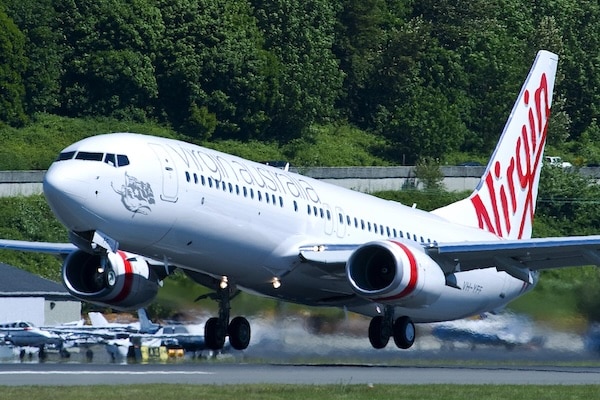

Etihad Airways has announced a significant shift in its corporate collaborations, deciding to terminate its codeshare agreement with Virgin Australia. This change, effective from June 2025, marks the end of a strategic partnership that began in 2010. The move follows a recent development where Qatar Airways declared its intention to acquire a substantial share in Virgin Australia.
The cessation of this partnership reflects a divergence in the strategic directions pursued by the airlines. Existing bookings with Virgin Australia through Etihad remain unaffected, ensuring no disruption for travellers. The decision is set against the backdrop of Etihad’s expanding schedule to Australia, underscoring its commitment to serving this region despite the changes.
Background of the Partnership
The alliance between Etihad Airways and Virgin Australia dates back to 2010. This agreement provided passengers with extensive connectivity between Australia, the Middle East, and Europe. It was a mutually beneficial arrangement, expanding reach and services.
Over the years, this partnership enabled seamless travel experiences for customers, integrating frequent flyer benefits and shared booking services. The collaboration brought convenience and increased options for travellers navigating these regions.
However, as with many strategic partnerships, the evolving landscapes of the aviation market prompted a reassessment. Changes in market dynamics and new competitive pressures have led to this significant decision by Etihad.
Implications of the Termination
The termination of this agreement with Virgin Australia means that Etihad Airways will no longer offer Virgin-operated flights through its booking platforms. This change starts from June 1, 2025.
For passengers who have already booked flights, their itineraries will remain unchanged, ensuring their travel plans are not disrupted. This reassurance is crucial, maintaining customer confidence amidst corporate adjustments.
This decision is part of a broader strategy shift, as Etihad realigns its partnerships to better fit its global strategy and competitive market stance.
Driving Factors Behind the Decision
The decision follows significant developments in the airline sector, particularly the recent announcement by Qatar Airways regarding its stake in Virgin Australia.
Etihad indicated that the termination was due to differing strategic paths. As Qatar Airways moves to acquire a 25% share in Virgin Australia, the dynamics of airline partnerships in the region are poised for change.
While Etihad continues to affirm its commitment to Australia, this move indicates a recalibration of its alliance strategy, likely influenced by strong competitive forces.
Increased Connections to Australia
Despite the end of the codeshare agreement, Etihad Airways has affirmed its ongoing commitment to the Australian market.
The airline is enhancing its schedule with additional flights to major cities like Sydney and Melbourne for the summer of 2025. This expansion highlights Etihad’s dedication to maintaining a strong presence in Australia.
Since commencing services in Australia in 2007, Etihad has consistently sought to increase its footprint in this key market.
Historical Context of the Partnership
Etihad Airways and Virgin Australia initiated their collaboration over a decade ago, in 2010.
This partnership was built to provide extensive international connectivity, aligning strengths that offered significant customer benefits. The alliance was seen as a strategic move to enhance global reach.
Through this codeshare agreement, Etihad leveraged Virgin Australia’s strong domestic network in Australia, while Virgin benefited from Etihad’s connections to Europe and the Middle East.
Future Outlook for Both Airlines
As Etihad moves to conclude its partnership with Virgin Australia, both airlines are expected to focus on individual growth paths.
Etihad’s focus will likely involve strengthening its own network alliances and expanding its service offering independently.
Virgin Australia, potentially bolstered by Qatar Airways’ investment, might explore new opportunities and collaborations that align with its renewed strategic objectives.
This development is indicative of a dynamic and competitive airline market, where strategic agility is crucial for continued success.
Reactions from the Industry
Industry analysts suggest this move by Etihad is a tactical decision amidst a fiercely competitive market.
Responses within the sector have been varied, with some viewing it as an opportunity for Virgin Australia to rejuvenate its strategic alliances.
Others see it as Etihad’s effort to streamline operations and enhance profitability by focusing on core markets and partners.
Customer Impact and Mitigation
For customers, the termination of the codeshare agreement primarily affects new bookings post-June 2025.
Etihad has ensured that existing travel arrangements remain intact, aiming to uphold customer satisfaction levels.
The airlines have communicated clearly with passengers, emphasising their commitment to smooth transitions and minimal disruption to travel plans.
Conclusion
As Etihad Airways and Virgin Australia conclude their longstanding partnership, the realignment reflects broader industry trends.
Both airlines are anticipated to pursue their respective strategic pathways with agility and focus, underscoring the dynamic nature of the global aviation sector.
In summary, the end of the codeshare between Etihad and Virgin Australia marks a new chapter for both carriers. Strategic adjustments are essential in the evolving airline industry, highlighting the need for agility and foresight in partnership management.

