
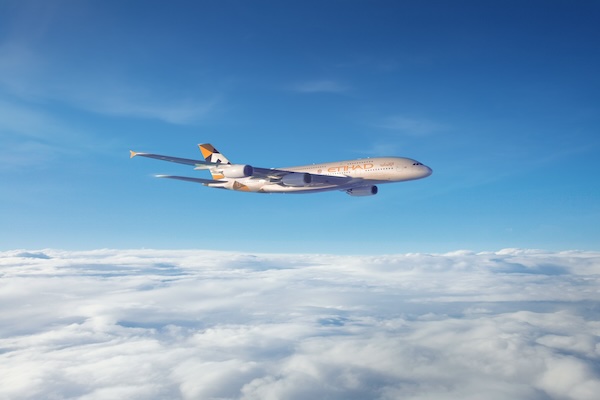

Etihad Airways has experienced a remarkable surge in passenger numbers, recording a substantial 38% increase in the first five months of this year.
This growth trajectory demonstrates a significant recovery and underscores Etihad’s continuous efforts to expand its capacity and modernise its fleet.
Significant Growth in Passenger Numbers
Etihad Airways has reported a notable 38% increase in its passenger numbers during the first five months of the year. This noteworthy rise was highlighted by the airline’s achievement of carrying 1.5 million passengers in the month of May alone. This represents a robust recovery in air travel, reflecting growing consumer confidence and increased travel demand. The airline’s load factor remained strong at 84%, illustrating the successful management of increased capacity across its network.
Fleet Expansion and Modernisation
The UAE carrier has made significant strides in expanding its fleet to accommodate rising passenger demand. In comparison to May 2023, Etihad’s fleet has grown by 15 aircraft, bringing the total to 90 aircraft currently in operation. This strategic fleet expansion is pivotal for supporting Etihad’s ambitious growth and service enhancements.
Etihad is committed to modernising its fleet with the recent introduction of the A321neo aircraft, which boasts a 20% improvement in fuel efficiency and reduced CO2 emissions. These advancements underscore Etihad’s dedication to sustainability and operational efficiency, supporting its broader environmental goals while offering passengers a more sustainable travel option.
Positive Trajectory and Future Outlook
Antonoaldo Neves, the Chief Executive, expressed his satisfaction with the results and anticipates further growth. He confirmed the year-to-date increase in passengers highlights the airline’s positive growth trajectory. The airline’s rolling 12-month passenger numbers, ending May 2024, stand at over 16 million, reflecting a resilient recovery from the impacts of the pandemic.
Looking ahead, Etihad plans to continue fortifying its presence by increasing the number of destinations served worldwide. The airline remains focused on enhancing passenger experience and expanding its market reach, leveraging its improved fleet and operational strategies.
Strategic Fleet Advancements
In May, Etihad successfully operationalised the first of six A321neo aircraft scheduled for introduction in 2024. The integration of these aircraft is a significant step in the airline’s strategic plan to bolster its network and enhance operational efficiency.
The A321neo models provide a dual advantage of increased network frequencies and operational economies, resulting in substantial fuel and emissions savings. This move aligns with Etihad’s commitment to reducing its carbon footprint and adopting greener technologies.
Commitment to Sustainability
Etihad’s fleet enhancement aligns with its sustainability objectives by reducing environmental impact. The A321neo’s improved efficiency contributes to a goal of minimising carbon emissions while catering to the growing demand for eco-friendly aviation solutions.
The airline’s proactive approach to sustainability is evident through its adoption of advanced aircraft technologies, reflecting a broader industry trend towards greener operations.
Broadening Network and Services
Etihad is actively broadening its global network, increasing its destination count and enhancing service offerings. This expansion aims to meet the growing travel aspirations of a diverse passenger base, further solidifying Etihad’s role in global air travel.
The airline’s concerted efforts to optimise its operations and enhance passenger satisfaction highlight its commitment to providing superior travel experiences. As the airline continues to grow, it remains steadfast in its mission to offer comprehensive and efficient air service.
Etihad Airways’ robust performance and strategic initiatives signal a promising future for the airline.
The airline’s focus on sustainability, fleet enhancement, and network expansion positions it well to meet the evolving demands of global air travel.

