

As global crises escalate, the travel industry faces unprecedented challenges necessitating robust resilience strategies.
- A study by the European Travel Commission (ETC) reveals rising crises impacting tourism necessitating urgent crisis management.
- Findings indicate the susceptibility of tourism to unpredictable weather, wars, and cyber threats, affecting recovery and operations.
- The report warns against the false sense of resilience, stressing that previous recovery does not guarantee future stability.
- National Tourism Organisations are urged to enhance crisis preparedness, though often delayed response planning remains a concern.
In a comprehensive study released by the European Travel Commission (ETC), the increasing impact of global crises on the tourism sector has been underscored. The report titled ‘Crises in Tourism: Impacts and Lessons from European Destinations’ highlights not only the frequency but also the intensity of challenges currently confronting the travel industry. ETC President Miguel Sanz aptly warned that tourism, being highly sensitive to global developments, must treat resilience as an essential rather than a luxury.
The document elaborates on the heightened vulnerability of travel and tourism to modern-day crises such as extreme weather phenomena, geopolitical unrest including wars and terrorist activities, as well as digital disruptions like cyberattacks and IT failures. These issues contribute significantly to the unpredictability of tourism operations, further complicating recovery processes.
A notable aspect the report brings to light is the illusion of resilience post-COVID-19, where rapid demand recovery might mislead stakeholders into complacency. The document stresses that the swiftness of this recovery should not be mistaken as an indicator of preparedness against future adversities.
Furthermore, the study points out geographic unpredictabilities with specific reference to unforeseen climatic events in regions presumed stable. For instance, Dubai’s unexpected heavy rainfall, which resulted in airport closures, serves as a stark reminder of the universality of potential crises, undermining assumptions of immunity based on location.
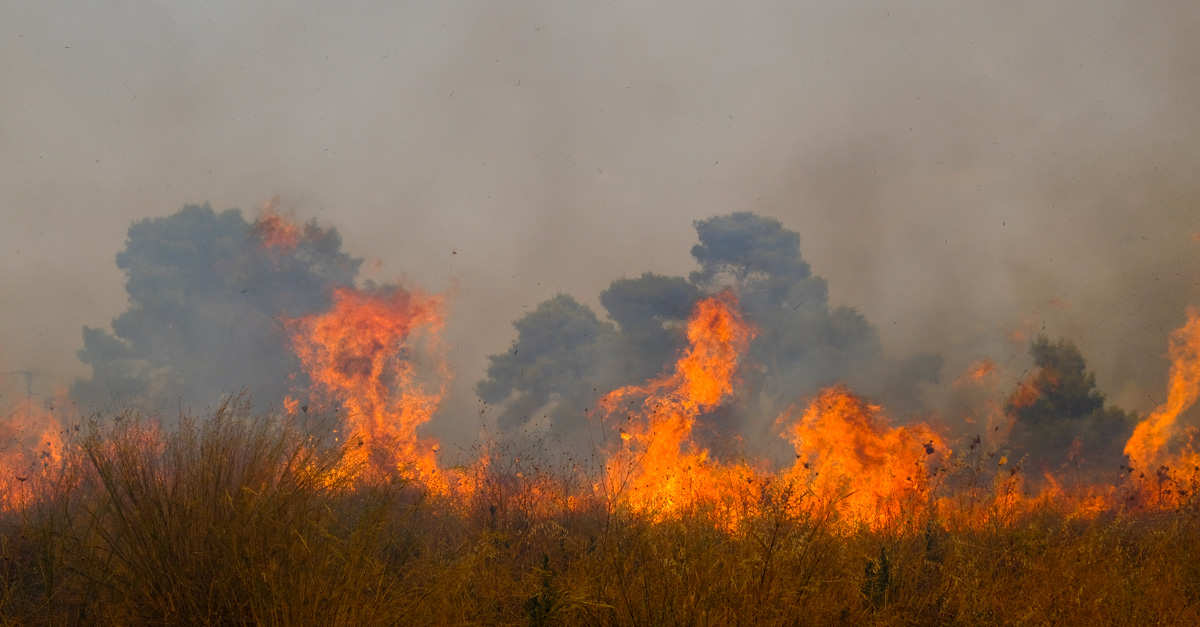
Europe’s experiences in the past year alone, marked by historic wildfires and widespread flooding, are indicative of broader climate risks threatening not just environmental but also socioeconomic pillars. The ramifications encompass energy, food security, infrastructure integrity, and public health, all central to sustainable tourism.
Recognising the critical role of National Tourism Organisations (NTOs) in crisis response, the report includes a detailed checklist advocating for proactive measures. This involves strategic coordination across governmental and industry lines, enhancing visitor safety, and disseminating accurate information. However, it is also noted that while NTOs acknowledge their importance, the tendency to defer comprehensive response and recovery planning remains prevalent.
The travel sector must urgently bolster resilience strategies to withstand escalating global crises.

