
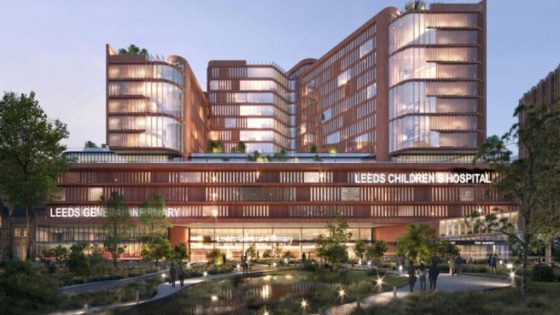

The cost of the Leeds General Infirmary rebuild project has soared, doubling from its initial estimation.
- Originally projected to cost £600 million, the rebuild of Leeds hospital is now anticipated to require £1.42 billion.
- The project has been delayed, facing criticism of government’s centralised hospital building strategy.
- The Leeds trust is struggling with outdated hospital infrastructure and rising maintenance costs.
- Local officials and the NHS warn of inefficiencies and financial strains if the rebuild doesn’t progress as planned.
The cost of rebuilding the Leeds General Infirmary has surged to an estimated £1.42 billion, doubling from its initial projection of £600 million set in 2021. The increased financial burden has been partially attributed to the design standards and procurement methods imposed by the central government’s New Hospital Programme. This programme, intended to revitalise the hospital estate across England, has faced criticism for not adequately addressing financial feasibility and for centralised decision-making that affects local hospital trusts’ planning capabilities.
Compounding the issue, Health Secretary Wes Streeting indicated that while some hospitals will continue to face uncertainty, those built with life-expired reinforced autoclaved aerated concrete (RAAC) will have their rebuilds proceed as planned. Leeds General Infirmary, however, remains one of 25 hospitals still awaiting clarity on its future. This delay contributes to the growing strain on the hospital’s finances as maintenance of the dilapidated structure continues to be costly and challenging.
The Leeds Trust board has expressed concerns that meeting the government’s ‘Hospital 2.0’ design guidelines could necessitate an additional expenditure of at least £60 million. These guidelines require extensive design finalisation before a main contractor can be appointed, delaying progress and potentially impacting service efficiency due to the physical separation of key clinical functions in the proposed new building.
Local officials, including MP Alex Sobel, have voiced their worries regarding the hospital’s oldest sections, which are deemed obsolete. The escalating cost of maintaining these structures is becoming unsustainable, highlighting the urgent need for the rebuild to advance. Sobel cautioned that the trust cannot indefinitely relocate essential services as a stopgap measure, warning that this prolonged situation only serves to deepen the financial dilemma faced by the NHS.
Reflecting the broader sentiments, a Department of Health and Social Care spokesman acknowledged the inherited challenges of the New Hospital Programme, which they described as ‘undeliverable and unfunded.’ While patient safety remains the priority, they stressed the importance of setting a sustainable pathway for the programme, ensuring a well-calculated timeline to replace aging hospital estates across England.
Escalating costs and logistical challenges continue to impede the Leeds hospital rebuild, necessitating urgent governmental intervention.

