
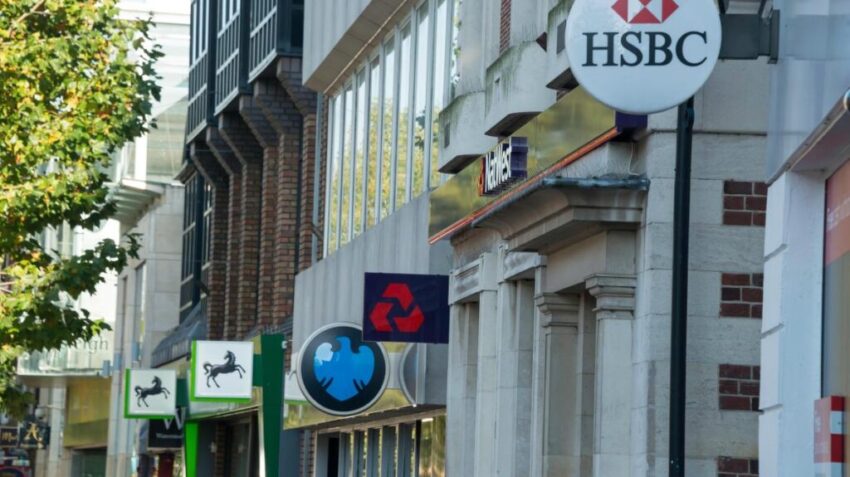

The UK banking sector is set to introduce a pivotal change, empowering banks to freeze large transactions for up to four days starting this autumn.
This strategic move is part of the broader initiative to enhance fraud prevention measures and protect consumers against sophisticated scams.
Introduction of New Regulatory Measures
In a significant regulatory advancement, the United Kingdom is poised to extend its banking oversight mechanisms with upcoming changes allowing financial institutions to freeze substantial payments for a period of up to four days. This initiative is a strategic component of the revamped fraud prevention framework set to commence this autumn.
The forthcoming changes, effective from 7 October, represent a proactive response to combat the growing concern of Authorised Push Payment (APP) fraud, a sophisticated scam that incurred an alarming £460 million loss to consumers in the previous year. Banks could previously hold authorised payments—those that customers approve—temporarily for 24 hours; however, these legislative amendments will extend it by an additional 72 hours under specific conditions indicating potential fraudulent activity.
Mechanics of the New Legislation
The legislation, advocated by the Conservative government and endorsed by a cross-party consensus, mandates that this extended hold can only be applied when there is credible suspicion of fraudulent activity or anomalies within the transactional behaviour that deviate from a customer’s typical financial patterns.
Treasury officials have confirmed these changes, highlighting the measure as an essential component of the nationwide fraud deterrence strategy. Former city minister Bim Afolami emphasised its importance, referring to it as an “additional weapon in our arsenal to tackle fraud.”
Potential Challenges and Criticisms
While the regulatory changes have been met with general approval, they come with notable concerns. For instance, some legal experts have warned about the potential for increased bureaucratic procedures, which could provoke significant disruptions, particularly impacting those engaged in real estate transactions.
Gareth Richards from the Society of Licensed Conveyancers expressed his apprehensions, noting, “We believe that there are already sufficient steps in place for banks to identify unusual or suspicious activity on the accounts under their control.”
New Guidelines from Payment Systems Regulator
The revised guidelines by the Payment Systems Regulator (PSR) will see banks and financial institutions under heightened mandates to compensate victims of APP fraud from October onwards. This includes scams encompassing romance fraud, counterfeit purchasing schemes, and fraudulent investment proposals.
Victims are now assured of reimbursement except in cases where they disregarded alerts from their bank, delayed notifying the bank post-fraud, or exhibited gross negligence. Additional safeguards are in place for vulnerable customers, enlarging the challenge for banks to rebut such claims.
Financial Implications for Banks and Businesses
The regulatory framework caps the maximum liability for banks at £415,000 per incident under the new regimen. Over 480 enterprises have aligned with Pay.UK, which will administrate the scheme funded by levies on transactions processed through the Faster Payments system.
Previously, participation in the Contingent Reimbursement Model (CRM) protocol was voluntary, and reimbursement rates have markedly increased from 19% in 2018 to 62% by 2022.
Institutional Preparations for Compliance
The banking sector has proactively engaged in readiness efforts, as institutions had to enlist with the programme by the 20th of August, prompted by the PSR’s reminders for those yet to comply.
In this context, the Treasury has notably refrained from public commentary on these emergent measures, allowing the regulatory bodies to spearhead communications.
Commercial entities are, therefore, keen on fortifying their systems to align with the impending procedural and compensatory requirements, ensuring a seamless adaptation to the new landscape.
Long-term Impact of Banking Reforms
This transformative policy foretells substantial alterations in the banking landscape, influencing both consumer confidence and institutional accountability.
By fortifying the defence against fraud, these measures aspire to restore consumer confidence and embed a more robust operational framework within the banking sector.
Consequently, the enduring effects of these reforms will likely foster enhanced trust and reliability in financial transactions, signalling a pivotal progression in regulatory resilience.
As the UK braces for these substantial changes in fraud prevention, the banking sector is poised for a transformative shift in operations. By extending the powers to freeze payments, these reforms aim to fortify consumer protection against fraud while balancing operational fluidity within financial institutions.

