

Energy costs in the UK’s cold chain sector surged by a significant 46% last year, a recent report has revealed.
- The Cold Chain Federation (CCF) highlights the sector’s critical role in food and beverage processing, pharmaceuticals, and horticulture.
- Half of the UK’s food and beverages necessitate chilling or freezing, contributing £14bn to the economy annually.
- The transition towards sustainable practices is underway, with a rise in renewable energy usage among cold stores.
- Calls for policy changes to mitigate environmental impacts and prepare for Brexit-related challenges are gaining momentum.
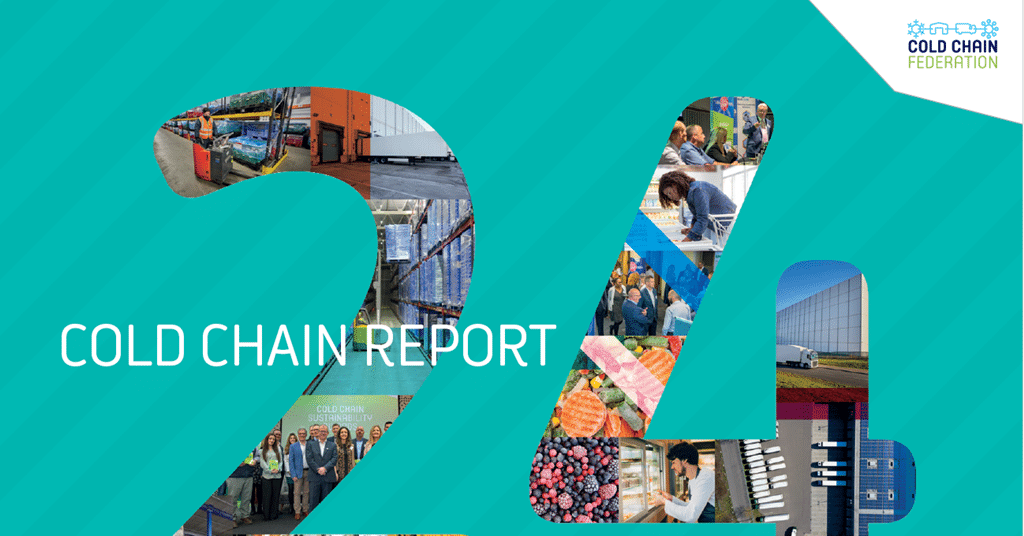
The UK’s cold chain sector has experienced a dramatic increase in energy costs, soaring by 46% in just one year, according to a report by the Cold Chain Federation (CCF). This increase underscores the significant pressures faced by the industry, which is a vital component of food and beverage processing, pharmaceuticals, and horticulture. The CCF’s annual report underscores the cold chain sector’s substantial contributions to the UK economy, generating £14 billion annually and supporting 184,000 jobs, alongside a tax revenue generation of £3.7 billion.
The report emphasises that nearly half of all food and beverages produced in the UK require chilling or freezing, highlighting the sector’s critical role. However, the industry is grappling with various challenges, including the impact of Brexit on trade flows and the rapid evolution of consumer demands, which are necessitating significant shifts in operational practices.
Amidst these challenges, there is a concerted push towards sustainability within the industry. More than a quarter of cold stores have transitioned to renewable energy sources, reflecting a growing commitment to environmental responsibility. Furthermore, the use of CO2 as a primary refrigerant has seen a 4% increase, further indicating the industry’s evolving landscape as it adapts to new environmental standards.
In light of these developments, Tom Southall, deputy chief executive at the CCF, has called for increased investment in the sector, citing its foundational role in the economy. ‘We urge policymakers and industry leaders to recognise the cold chain’s immense potential and invest in continued development,’ stated Southall. Furthermore, initiatives such as the Move to -15°C campaign, chaired by Thomas Eskesen, have highlighted the potential environmental benefits of adjusting frozen food temperature standards. Eskesen noted that such measures could potentially save 17.7 million metric tonnes of carbon dioxide annually, equivalent to removing 3.8 million cars from the roads each year.
With the UK government poised to implement the new Border Target Operating Model (BTOM) by 30 April 2024, there are concerns about the potential impact on food prices and consumer choice. The CCF has urged the government to delay this model’s implementation to prevent these adverse effects. The federation warns that without significant changes to new checking and inspection requirements, EU-based food exporters could cease supplies to the UK by next month. This impending shift in trade dynamics necessitates urgent attention and action from policymakers.
The cold chain sector must navigate energy and regulatory challenges to maintain its economic and environmental contributions.

