
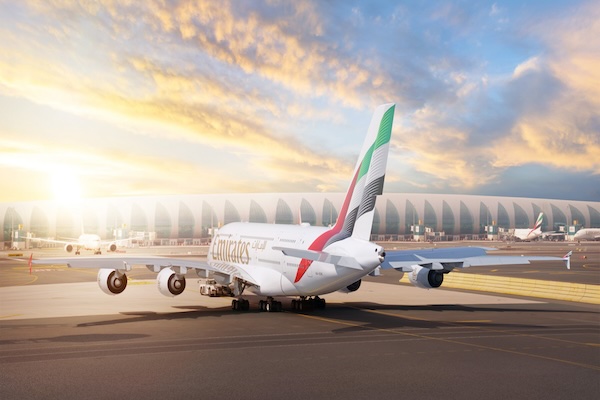

Severe flooding at Dubai airport led to unprecedented operational disturbances for Emirates. Flight cancellations and delays highlighted the airline’s struggle to manage during the crisis.
In response, Emirates’ leaders addressed the challenges faced, outlining steps taken to restore normalcy and enhance future coordination.
Dubai faced an unprecedented challenge when it was struck by storms bringing the highest rainfall in 75 years. The intense weather conditions resulted in significant operational disruptions at Dubai airport. Emirates experienced one of its most demanding weeks as nearly 400 flights were cancelled, and many more were delayed. The difficulty was compounded by flooded roads that impeded passengers and employees from reaching the airport, impacting both outgoing and incoming flights.
Emirates’ response to the chaos was openly acknowledged as “far from perfect” by the airline’s president, Sir Tim Clark. He issued a formal apology to passengers, recognising their frustrations over the lack of information and the long wait times they endured. Clarifying the airline’s commitments, Clark emphasised that they are concentrating efforts on improving processes and addressing the setbacks caused by the storms.
To manage the immediate crisis, Emirates established a taskforce aimed at sorting and delivering approximately 30,000 bags back to their owners. Acknowledging the burden on resources, the airline temporarily halted check-ins and ticket sales to prioritise affected customers. Furthermore, over 100 volunteers were brought in to assist stranded passengers, focusing particularly on medical cases and vulnerable groups.
Emirates implemented several emergency measures such as suspending connecting passenger traffic and deploying additional staff. These were crucial moves to manage the resulting congestion at the airport.
Flights were diverted to avoid the worst weather conditions initially, but subsequent days saw continued operational challenges. The rapidly deteriorating conditions required dynamic solutions to protect both passengers and staff while attempting to restore regular operations.
To mitigate further disruption, Emirates restricted inbound flights to stabilise the situation and streamline recovery effectively. Departures however, continued under limited operations.
Additional flights were scheduled to assist displaced passengers, while the airline secured more than 12,000 hotel rooms in Dubai for those affected by the cancellations and delays. Meal vouchers and other necessities were also distributed as stopgap measures to ease passenger discomfort.
As of Saturday, regular flight schedules were reinstated, marking a significant step towards operational normalcy for Emirates. Despite the resumption, the backlog of passengers needing rebooking and baggage repatriation remains a priority that will take extended efforts to resolve.
Sir Tim Clark committed to extracting valuable lessons from these events to enhance future response strategies. This promises an improved resilience against similar occurrences moving forward.
Concluding the open letter, Sir Tim Clark extended a heartfelt apology to all customers impacted by the disruption, appealing for patience and understanding as Emirates works tirelessly to resolve the aftermath.
The transparency in Clark’s communication reflects Emirates’ dedication to rectify missteps and restore customer confidence.
Emirates continues to navigate the complexities following the airport flooding, implementing strategic measures to alleviate current issues while planning for improved crisis management in the future.

