
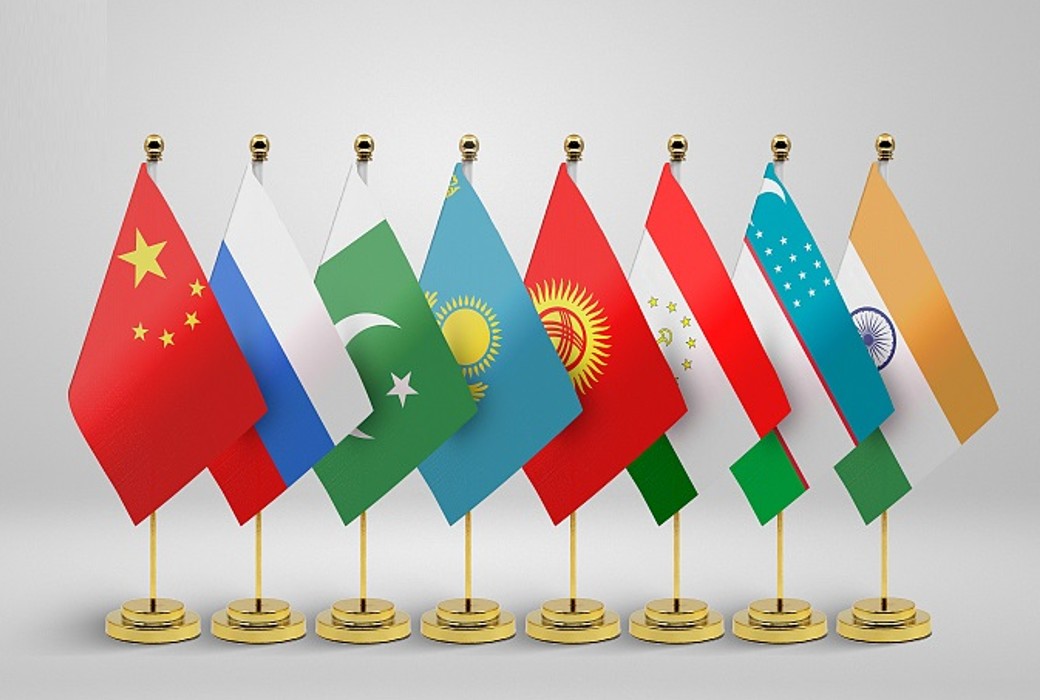

In recent years, the concept of de-dollarization has gained momentum amongst global alliances. Following the example set by the BRICS countries, new groups are actively seeking alternatives to the US dollar for international trade. This shift reflects a broader desire for economic independence and a more diversified global monetary system.
These movements are driven by a desire to reduce reliance on a single dominant currency, which has historically shaped economic policies worldwide. The discussion now extends to various international forums, with significant geopolitical implications. Observers anticipate these changes could redefine traditional economic power structures, signalling the start of a new era in global finance.
New Alliances Eye De-Dollarization
Many countries, inspired by the bold steps of the BRICS nations, are exploring the possibility of moving away from using the US dollar for international trade. This consideration comes in the wake of the BRICS summit, which emboldened other nations to reconsider their dependency on the dollar. Such shifts are encouraged by the emerging desire to establish economic independence and fortify regional financial systems. As a result, a potential wave of economic realignment is on the horizon, one that might significantly impact global financial dynamics.
The Shanghai Cooperation Organization (SCO), influenced by this shift, is at the forefront of these efforts. Member nations have expressed their intent to increase the use of local currencies in trade, reducing reliance on the dollar. Their unified payment system, still under development, promises to facilitate this transition. This initiative by the SCO nations represents a broader trend where regional alliances are seeking greater control over their monetary policies, aiming to mitigate the influence of major currencies.
The strategic moves by these alliances reflect a growing sentiment among developing countries. They view de-dollarization not only as a means to break free from economic constraints but also as an opportunity to bolster their own currencies. This focus on local currencies could reshape the global economic landscape and challenge established norms within the international trading system.
The Role of the Shanghai Cooperation Organization
The SCO has taken significant steps towards reducing its reliance on the US dollar. By aligning its members with a new payment system, the organization seeks to streamline cross-border transactions without relying on a single currency. This approach offers an alternative to the traditional dollar-centric trade practices that have dominated international markets for decades.
Zhang Ming, Secretary-General of the SCO, highlighted the ongoing discussions about creating a unified payment system. This proposal, still in its early stages, aims to increase the share of national currencies in mutual settlements. Such measures reflect a broader effort to cultivate financial independence among member states.
At the Samarkand Summit in 2022, a critical agreement was reached to enhance the role of local currencies in trade. The plan is actively progressing, signalling the SCO’s commitment to this transformative economic agenda.
Challenges in Transitioning Away from the Dollar
Transitioning away from the US dollar presents multiple challenges for these alliances. Establishing new payment systems requires robust infrastructure and coordination. Each member country must ensure compatibility with its own financial systems. These technical hurdles demand significant investment and collaboration.
Furthermore, there is the challenge of trust and acceptance among international partners. For such systems to succeed, non-member countries must be willing to engage with and accept transactions in local currencies. This aspect of the transition poses a test of diplomatic relations and may encounter resistance from nations heavily invested in the current dollar-dominated system.
Despite these challenges, the potential benefits are substantial. By reducing reliance on the dollar, countries could gain greater control over their monetary policies. This transition could lead to more stable local economies, less influenced by external currency fluctuations.
Implications for Global Trade
The shift away from the US dollar could lead to significant changes in global trade. As more countries adopt alternative currencies, the dollar’s dominance in international transactions may diminish. This change could herald a new era of economic multipolarity, where no single currency holds overwhelming sway.
For businesses, this could mean navigating a more complex trading environment. However, it also offers opportunities for enterprises in countries with strong local currencies. They might find it easier to engage in international trade free from exchange rate pressures.
While such changes may seem challenging, they also promise a rebalancing of global economic power. Countries previously sidelined could gain a stronger voice in international trade negotiations.
The Potential Downfall of Dollar Dominance
The decreased demand for the dollar might result in currency volatility, affecting countries deeply entrenched in the current system. This shift calls for strategic adjustments within national economies to adapt to a rapidly evolving monetary landscape. As countries brace for these changes, they must consider both the risks and the opportunities inherent in such a transition.
Technological Innovations Driving the Change
Technology plays a pivotal role in the development of new payment systems. Innovations in blockchain and digital currencies are being explored to facilitate this transition. Such technologies offer secure, efficient methods for handling cross-border transactions without relying on traditional banking systems.
The integration of technology in financial processes could enhance transparency and reduce transaction costs, making international trade more accessible to smaller economies. This shift could empower nations to modernize their financial infrastructure and compete on a more equal footing with established economic powers.
While technological adoption presents challenges, including the need for regulatory frameworks and technological literacy, the benefits could outweigh these obstacles. Embracing innovation could be the key to realizing the broader goals of financial independence and economic resilience.
Experts Weigh In on the Future of the Dollar
Conversely, others argue that changes in global power dynamics could accelerate the move away from the dollar. This perspective suggests that as nations seek more equitable roles in the global economy, the dominance of any single currency will inevitably diminish.
Strategic Considerations for Nations
Nations considering the shift must evaluate the strategic advantages and disadvantages. Economic sovereignty and reduced exposure to foreign currency fluctuations are enticing prospects. However, these must be weighed against the potential for increased isolation from established trade networks.
Countries must also consider their geopolitical alliances and the potential impact on diplomatic relations. The move towards de-dollarization could realign international partnerships and alter the balance of power among influential global players.
Ultimately, each nation must carefully assess its position in the global economic landscape. Balancing the benefits of reduced dollar dependency with the risks of destabilisation will be crucial in navigating this complex transition.
The shift away from the US dollar marks a transformative moment in global trade relationships. As countries explore local currency alternatives, the economic landscape is set for substantial change. This movement not only challenges existing norms but also offers new opportunities for economic growth and collaboration.

