
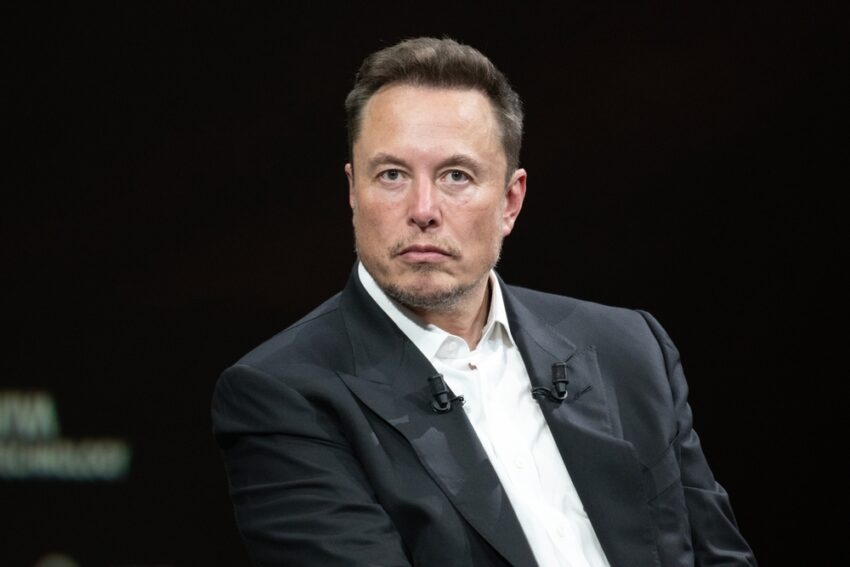

In recent times, tensions have escalated between the European Union and Elon Musk over online content moderation. A top EU official has accused Musk of promoting harmful content on X, formerly Twitter, shining a spotlight on the platform’s controversial policies.
The conflict centres around the EU’s Digital Services Act and the moderation approach under Musk’s leadership. This ongoing debate encapsulates broader conversations about free speech, regulation, and the responsibilities of digital platforms.
EU Criticism of Musk’s Moderation Policies
The European Union, led by Věra Jourová, has openly criticised Elon Musk’s management of the social media platform X, formerly Twitter. Jourová argues that under Musk’s ownership, the platform has become a breeding ground for harmful content, specifically highlighting its role in spreading antisemitism. Her comments underscore the EU’s concerns about online hate speech and misinformation, areas she has long been focused on.
Accusations and Potential Consequences
Under Elon Musk’s leadership, X has made significant changes to its content moderation strategies. These alterations have led to accusations that the platform is failing to comply with existing social media regulations, particularly the EU’s Digital Services Act (DSA). The European Commission has raised the possibility of imposing fines, indicating severe ramifications if compliance is not ensured. The escalating situation reflects a broader conflict between X and EU regulatory frameworks.
Musk’s Counterclaims
Blocking X could lead to significant operational challenges for users across Europe, potentially impacting millions who rely on the platform for information and communication. Such an action would mark a dramatic intensification in the conflict between the EU and Musk’s platform, affecting both the digital landscape and regulatory approaches.
Implications for Digital Services in Europe
The ongoing dispute highlights the tension between innovation and regulation, a balancing act that digital platform operators constantly navigate. As stricter regulations loom, these discussions could shape the future of digital services not only in Europe but globally.
Broader Impact on Social Media Regulation
Social media companies are watching this situation closely, understanding that the outcomes could set precedents for how online platforms will be regulated in the coming years, not just by the EU, but by governments and organisations globally. This ongoing dialogue underlines the importance of developing adaptable and sustainable content moderation practices.
Future Considerations for Musk and the EU
The continuing clash emphasises the need for collaborative approaches to addressing technological and societal challenges, illustrating the complexity of governing digital spaces while fostering innovation.
Conclusion of the Conflict’s Current Phase
While tensions remain high, the resolution of this conflict will serve as a significant indicator of how digital platforms and regulatory bodies can coexist. The path taken by Musk and the EU could inform future policy directions and collaborative efforts in digital governance.
The ongoing dispute between Elon Musk and the EU over online moderation is more than just a clash of ideologies. It represents a pivotal moment in the regulation of digital platforms, potentially influencing future legislative and business strategies.
As both parties navigate these challenging waters, the outcome could redefine the relationship between tech giants and regulatory authorities, shaping the future of digital communication in Europe and beyond.

