
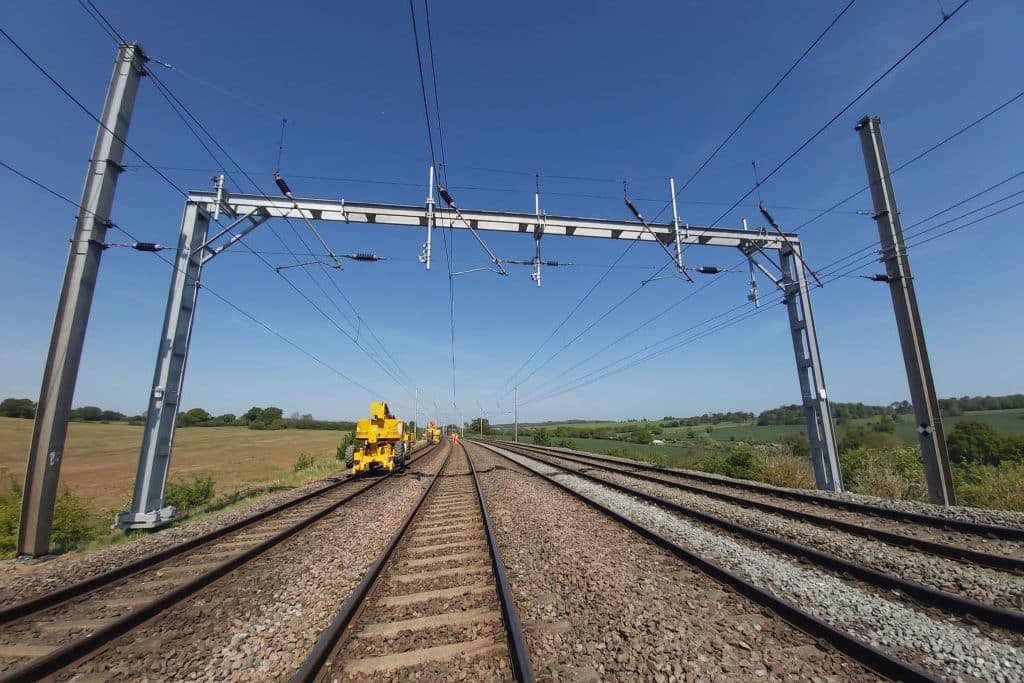

The electrification of the Midland Main Line (MML) is hailed as a transformative project promising economic and environmental benefits.
- The MML connects key regions and carries over 9M passengers annually, with significant economic contributions.
- Plans to electrify the MML could lead to the creation of 4,300 new jobs and over 100 apprenticeships.
- Presently, parts of the MML require diesel, increasing pollution, underscoring the need for electrification.
- Industry leaders urge immediate governmental action to confirm the next phase of the project.
The electrification of the Midland Main Line (MML) is a critical advancement both environmentally and economically. The line connects the East Midlands, South Yorkshire, and London, serving over nine million passengers annually and creating significant economic benefits. However, the current reliance on diesel for certain sections increases pollution, underscoring the need for electrification.
Transport for East Midlands (TfEM) has coordinated calls for electrifying the MML to unlock 4,300 jobs and 100 apprenticeships. It argues that full electrification to Sheffield could significantly enhance economic growth and support regional employment.
Upgrades between Market Harborough and Wigston South are already underway, with plans for further electrification northward. However, these plans remain unfunded, prompting appeals for governmental approval. The project could add £61 million in economic value and nearly £18 million in social value.
Key voices from the region highlight the urgency of this undertaking. TfEM chair Peter Soulsby emphasises the necessity of infrastructure improvements following the HS2 eastern leg cancellation. He stresses the importance of maintaining a skilled workforce for successful completion.
East Midlands Mayor, Claire Ward, echoes the sentiment that electrification is essential for regional economic potential, driving investment and connectivity improvements. Derby North MP, Catherine Atkinson, argues that investment in regional infrastructure is crucial for preserving the city’s rail legacy.
Industry representatives, like Keith Orgill from Overhead Line Engineering (OLE), state that delays have already impacted design work, risking the loss of experienced specialist teams. Railway Forum CEO Elaine Clark criticises the inconsistent progress and calls for decisive action to enable future supply chain investments.
The electrification of the Midland Main Line remains an essential initiative with the potential to revolutionise regional transport and economic growth.

