
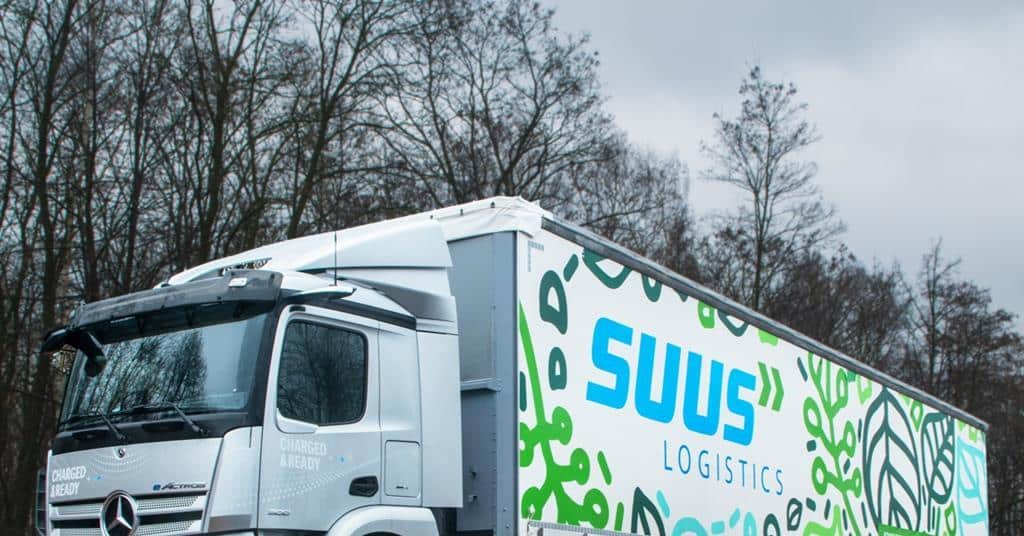

An electric truck trial in Poland indicates a promising future for sustainable heavy-duty shuttle transport, successfully covering over 2,200 km.
- Rohlig SUUS Logistics led the two-week trial using an eActros 300 to transport goods efficiently in the Silesian Voivodeship.
- The use of electric vehicles in regular shuttle connections proves effective, marking a significant step towards industry electrification.
- Key insights from the trial include effective load management and reduced emissions, highlighting the vehicle’s potential in freight transport.
- Prominent voices within Rohlig SUUS Logistics advocate for more such initiatives to enhance the sustainability of logistics operations.
The successful trial of the eActros 300 electric truck in Poland underscores the potential for sustainable solutions in heavy-duty shuttle transport. Conducted by Rohlig SUUS Logistics over a period of two weeks, the trial involved the transportation of Żywiec Zdrój spring water, covering an impressive 2,200 km between factories and warehouses within the Silesian Voivodeship. This initiative reflects a growing trend towards electrification in the logistics sector, aligning with global efforts to reduce carbon emissions.
Fabian Szmurło, the domestic FTL product director at Rohlig SUUS Logistics, emphasised that the collaboration model, which is built on regular shuttle connections between production plants and warehouses, is currently the most effective strategy for incorporating electric vehicles into heavy transport operations. He stated, “The collaboration model, based on regular shuttle connections between the production plant and the warehouse, is currently the most effective solution enabling the use of electric vehicles in heavy transport. This is the first step towards electrifying the industry.”
Piotr Winiarski, fleet development manager at Rohlig SUUS Logistics, provided further insights into the operational success of the pilot programme. By optimising transport solutions, including the use of trailers with increased load capacity and addressing range limitations, the trial achieved its objectives. Over the course of the trial, the electric vehicle proved capable of transporting loads up to 25.5 tonnes efficiently, consuming approximately 107 kWh per 100 km on average. Notably, the use of the eActros 300 resulted in a reduction of greenhouse gas emissions by 3.9 tonnes, reinforcing the environmental benefits of electric vehicles in freight transport.
The Polish trial of the eActros 300 sets a precedent for future electrification in heavy-duty logistics, highlighting sustainable transport solutions.

