
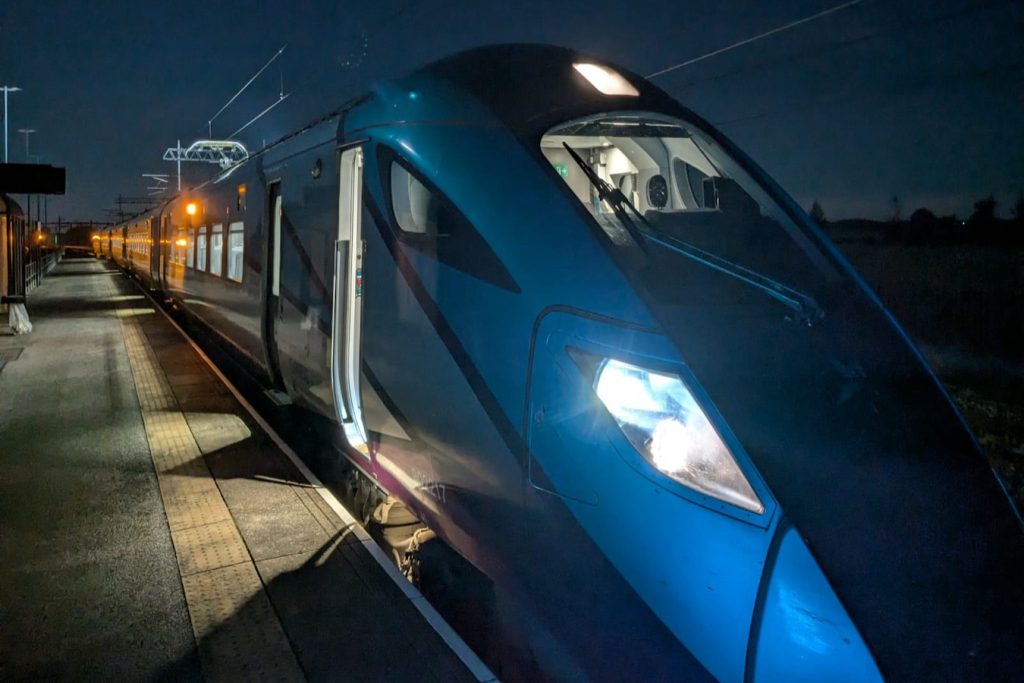

The Transpennine Route Upgrade marks a significant milestone with the test run of electric trains between York and Church Fenton.
- Recent completion of infrastructure improvements in July enabled the energisation of new overhead line equipment.
- This electrified section supports speeds up to 200km/h using 25,000v overhead line equipment.
- Collaboration among Network Rail, Siemens, and others has been crucial in delivering these upgrades.
- The project aims to pave the way for cleaner and more efficient rail services across Northern England.
The Transpennine Route Upgrade (TRU) has reached a pivotal phase with the successful test runs of electric trains between York and Church Fenton. This accomplishment follows the completion of essential infrastructure upgrades, notably the energisation of newly-installed overhead line equipment in July, supporting more than 100 daily train operations through one of Northern England’s busiest rail corridors.
The newly installed overhead line equipment (OLE) carries a substantial 25,000 volts, enabling electric and bi-mode trains to achieve speeds of up to 200 kilometres per hour. These tests were executed using a TransPennine Express (TPE) Class 802 bi-mode train, facilitated by the Rail Operations Group in cooperation with TPE and the TRU East Alliance.
This segment represents the second successful electrification as part of the TRU initiative, succeeding an earlier rollout between Manchester Victoria and Stalybridge. The Eastern route enhancements, managed by the TRU East Alliance composed of Network Rail, J. Murphy & Sons, Siemens, Systra, and VolkerRail, demonstrate the project’s progress.
Adam Sellers, TRU’s Senior Sponsor, noted the achievement as a significant step towards delivering improved travel solutions for the North of England, emphasizing the project’s focus on cleaner and faster rail journeys. Chris Nutton from TransPennine Express echoed this sentiment, highlighting the project’s momentum as a critical milestone in regional rail development.
With successful tests on the eastern section, attention now turns to the TRU West project. This phase, undertaken by the TRU West Alliance (Network Rail, Bam, Arup, and Amey), will continue the region’s transformation over the next three and a half years, focusing on comprehensive railway upgrades between Huddersfield and Leeds, including station improvements, accessibility projects, and major structural enhancements like bridge constructions.
The successful integration of electric trains opens a new chapter in modernising Northern England’s rail network, setting the stage for cleaner and more efficient travel.

