
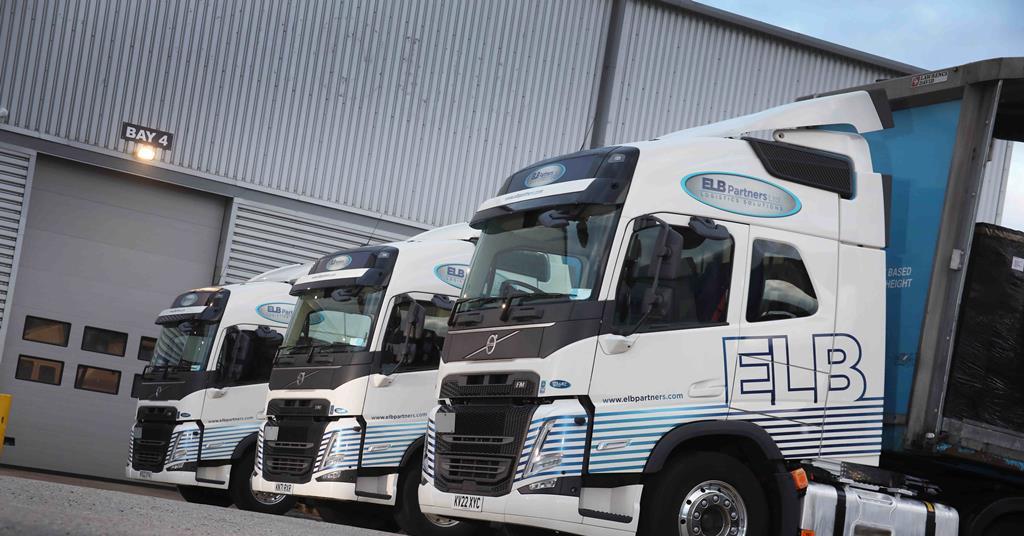

ELB Partners is addressing a critical need in the construction haulage sector by launching a new service designed to overcome logistical challenges faced by hauliers entering London.
- ELB Partners has acquired a new site next to its headquarters to facilitate storage and final-mile deliveries.
- The initiative aims to support hauliers who cannot meet the stringent operational requirements in London.
- This strategic move will help alleviate the financial burden imposed by regulations such as ULEZ and DVS.
- ELB’s hub intends to streamline delivery operations for construction companies across the capital.
With the launch of a new service, ELB Partners is set to transform the landscape for construction hauliers unable to meet London’s demanding operational requirements. By acquiring a six-acre site near its headquarters on Beddington Farm Road in Croydon, ELB Partners is poised to offer essential storage and delivery solutions to construction companies needing to move goods within the M25. This new service is a game-changer for hauliers struggling to comply with London’s strict mandates, such as the Ultra Low Emission Zone (ULEZ) regulations, the Fleet Operator Recognition Scheme (FORS) accreditation, and the requirement for drivers to possess ADR training.
ELB Partners is fully equipped to handle these demands, and its new initiative is designed to assist those who lack the necessary qualifications. HGVs weighing over 12 tonnes will soon need to achieve a minimum three-star Direct Vision Standard (DVS) rating to operate in Greater London. In anticipation of this regulation coming into effect, ELB Partners has already invested £40,000 to prepare its fleet for compliance, underscoring its commitment to maintaining high safety standards.
Commercial Director Dan Philpot elaborates on the initiative’s objectives, citing that the concept initiated as part of a plan to create a FORS-accredited network of hauliers. This hub will not only store aggregates, bricks, and other building supplies but will also relieve other hauliers from the logistical stresses associated with complying with London’s complex regulations. Philpot emphasises the added convenience of having a significant yard space for auxiliary parking, which will accommodate trailers, flatbeds, and cranes—sparing other companies the need for these provisions in central London.
Peter Eason, Managing Director of ELB Partners, has articulated the industry’s growing concern over the financial pressures exerted by the plethora of requirements necessary to operate within the capital. These demands, which include site-specific driver inductions and the soon-to-be-enforced DVS rules, are driving many operators to reconsider their presence in London. Eason is confident that ELB’s new hub will simplify operations for the construction sector, offering a cost-effective solution that eases the entry into the city for many hauliers.
ELB Partners’ pioneering service represents a vital advancement for hauliers, helping them navigate London’s intricate regulatory landscape with ease.

