
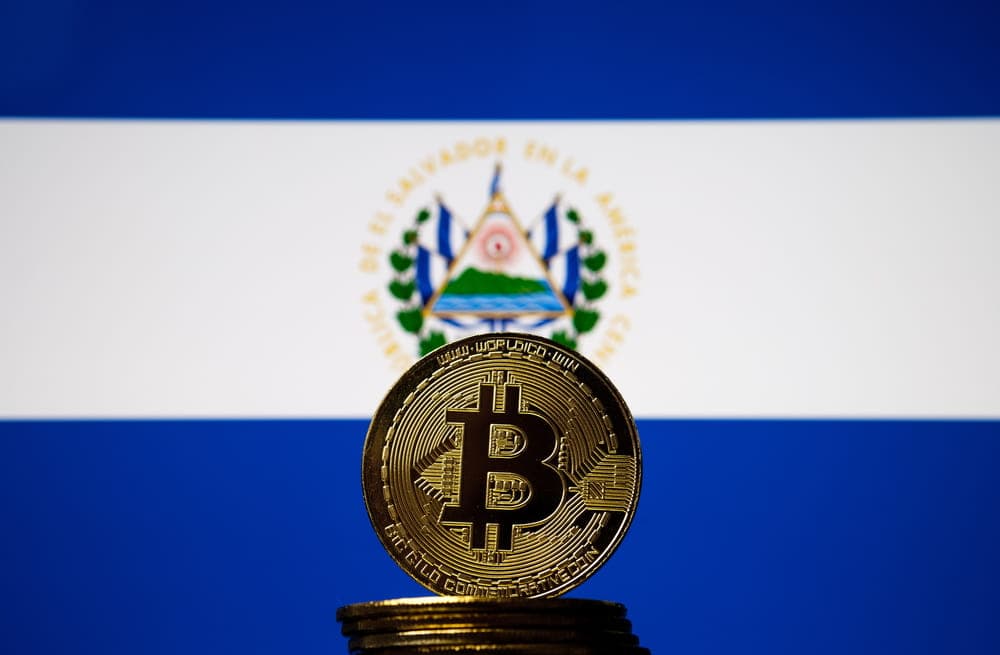

In an unexpected turn of financial strategy, El Salvador has emerged with a staggering $200 million profit from its investment in Bitcoin. This milestone comes after the prudent decision to adopt Bitcoin as legal tender, a move initially viewed with scepticism. Today, these profits highlight the potential rewards of engaging with cryptocurrencies strategically, even amid global economic uncertainties.
El Salvador’s Bitcoin investments have soared, reaching new heights as Bitcoin’s value hit an unprecedented peak. This growth reflects the nation’s forward-thinking approach under President Nayib Bukele’s leadership. Despite facing international criticism and internal scepticism, El Salvador’s commitment to its Bitcoin strategy demonstrates a unique national economic policy evolving in real-time.
The Genesis of El Salvador’s Bitcoin Journey
In September 2021, El Salvador embarked on an unprecedented economic experiment by purchasing its first batch of Bitcoin. By adopting Bitcoin as legal tender, the government aimed to revolutionise its financial landscape. Initially, this decision faced enormous scrutiny from international observers who doubted its viability in a volatile market.
El Salvador’s Bitcoin holdings have thrived, riding on the back of Bitcoin’s global surge. The country’s strategic investments were made at an average acquisition price of $45,223 per Bitcoin. With the price recently soaring past $80,000, the value of these holdings has appreciated significantly, underlining the potential benefits of early adoption.
The government implemented a ‘1 Bitcoin per Day’ project since November 2022. This initiative ensures a steady accumulation of Bitcoin, regardless of fluctuating market prices, underpinning the country’s steadfast commitment to embracing digital currency as a vital economic asset.
Financial Implications of Bitcoin Profits
Criticisms and Questions from Global Institutions
The International Monetary Fund (IMF) has been vocal in its criticism of El Salvador’s Bitcoin endeavour. Concerns range from increased economic risk to potential negative impacts on financial stability. These criticisms underline a hesitance within traditional financial systems to fully accept cryptocurrencies.
Many residents share these concerns, feeling apprehensive about Bitcoin’s role in the national economy. While some view it as a failed experiment, the ongoing profits present a counter-narrative that continues to shape public opinion. This dichotomy illustrates the broader global debate on Bitcoin’s position within national economies.
El Salvador’s reliance on Bitcoin also raises questions about how external economic shocks might affect its economy. Should Bitcoin’s value plummet, the nation’s financial health could be jeopardised. Nevertheless, the government’s steadfast approach signifies a bold experiment in digital currency integration.
Mining Ventures and Environmental Considerations
In addition to strategic holdings, El Salvador has ventured into Bitcoin mining, utilising unique energy resources. The country’s innovative approach includes harnessing volcanic geothermal energy, a renewable and sustainable resource, to power mining operations. This tactic positions El Salvador as a pioneer in environmentally conscious cryptocurrency mining.
Mining activities in 2024 have already produced 470 new Bitcoins. This output not only augments El Salvador’s holdings but also demonstrates the potential of sustainable energy in digital currency production. Such initiatives potentially counteract criticisms of cryptocurrency’s environmental impact.
These advancements in mining technology underscore El Salvador’s commitment to integrating digital assets into its economy sustainably. By employing renewable resources, the nation not only boosts its economic potential but also sets an example for eco-friendly practices in the crypto mining sector.
Global Context: Other Nations and Their Bitcoin Holdings
El Salvador is not alone in its pursuit of Bitcoin. Other nations, such as Bhutan and Ukraine, have also ventured into Bitcoin investments, albeit via different routes. Bhutan, for instance, has quietly amassed Bitcoin worth nearly a billion dollars, while Ukraine uses Bitcoin donations to fund its ongoing conflict efforts.
The United States and China lead in Bitcoin holdings, mostly through seizures, with assets valued at billions. These countries exhibit a different relationship with Bitcoin, primarily viewing it as a digital commodity rather than a legal tender. Their involvement highlights a diverse global engagement with digital currencies.
The impact of El Salvador’s Bitcoin success on the global stage is notable. By maintaining substantial Bitcoin reserves, the country influences market stability, and its approach could inspire similar strategies worldwide. Such trends highlight Bitcoin’s expanding role in international finance.
Potential Risks and Market Volatility
Despite current profitability, potential risks cloud El Salvador’s Bitcoin strategy. If the nation decided to sell its holdings, substantial market volatility could ensue. Such a move might affect not only the country’s economic standing but also the global perception of Bitcoin’s stability.
El Salvador’s influence over the Bitcoin market, while significant in terms of holdings relative to the nation’s size, does not surpass larger Bitcoin economies. However, its actions could still precipitate notable market shifts, especially in emerging economies looking to emulate its strategy.
Concerns about volatility underline the need for cautious optimism in cryptocurrency investment. By carefully balancing investment strategies, El Salvador seeks to maximise benefits while mitigating financial instability risks. This balance will be crucial as the nation navigates its future economic landscape.
The Future of Bitcoin in El Salvador
El Salvador’s Long-term Strategic Vision
In the long term, El Salvador aims to position itself as a leader in crypto adoption and integration. This ambition is ambitious given the economic challenges and fluctuations inherent in digital currencies. Yet, it holds potential for substantial economic transformation.
Continued international scrutiny remains a factor. El Salvador’s strategy attracts both admiration and scepticism. As the Bitcoin value stabilises, long-term observers await how the country’s approach will unfold in response to global financial trends.
Economic resilience, amidst criticisms and market shifts, will determine the legacy of El Salvador’s Bitcoin initiative. By navigating these challenges strategically, the nation could set a precedent for other economies considering similar paths.
El Salvador’s Bitcoin journey underscores a bold financial strategy amid global uncertainties. Its success highlights the potential of integrating digital currencies into national frameworks. However, prudence and careful navigation will be essential as the country continues to explore this pioneering economic path.

