
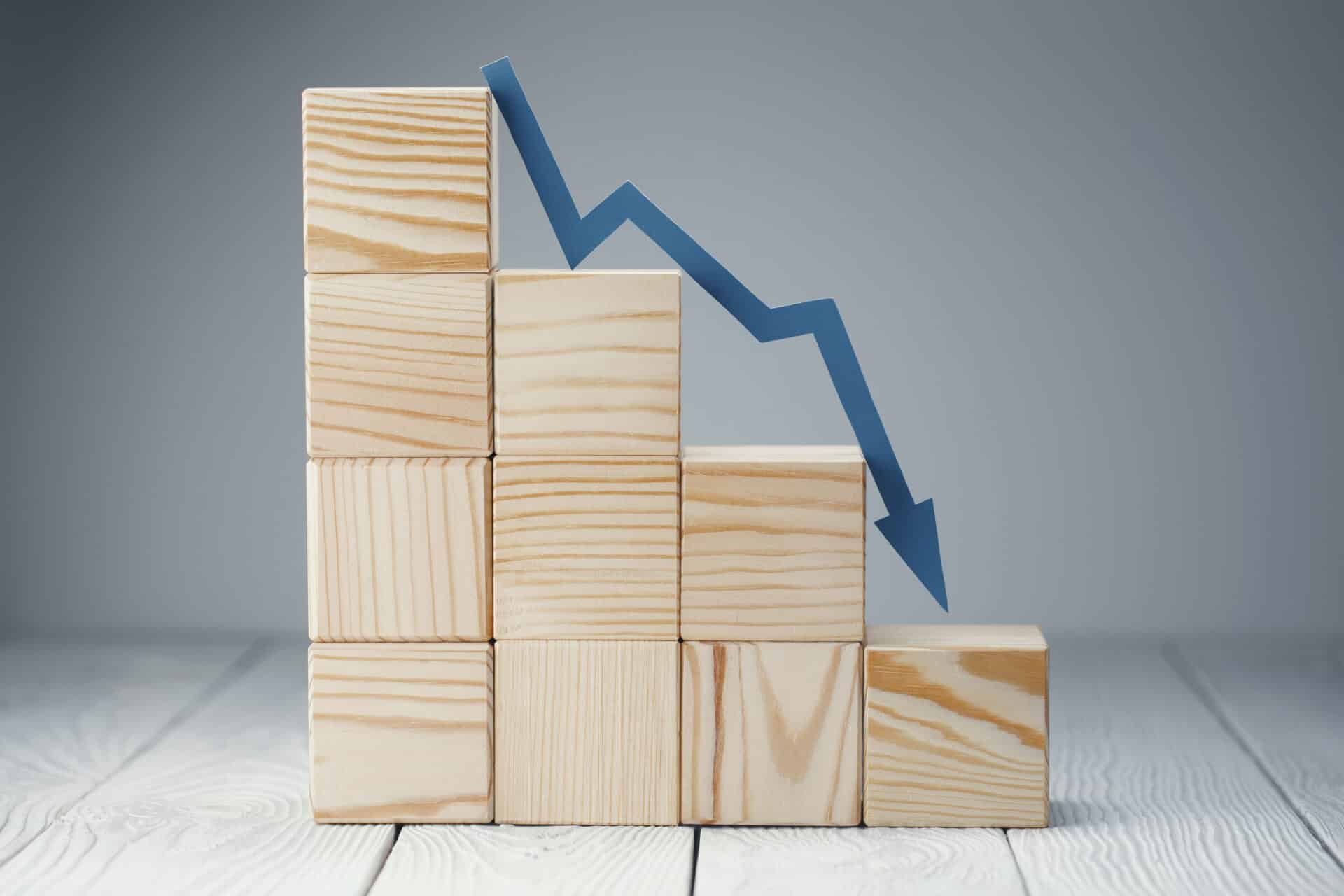

A recent survey reveals the economic outlook remains bleak, with nearly half of financial advisers predicting a downturn.
- A significant number of advisers worry about their clients’ financial stability in the coming year.
- Interest rate cuts by the Bank of England are met with mixed feelings by industry experts.
- Self-employed advisers exhibit the highest levels of economic pessimism.
- Proactive planning and adaptability are crucial as advisers gear up for challenging times ahead.
The findings from a recent survey highlight a concerning sentiment among independent financial advisers (IFAs) regarding the UK’s economic future. Almost 40% of these professionals foresee a downturn within the next year, indicating a lack of confidence in economic stability.
Among the advisers, 15% are particularly concerned about the financial well-being of their clients, which suggests a ripple effect of uncertainty that could potentially impact consumer behaviour and spending patterns throughout the country.
Even though the Bank of England’s recent decision to lower the base rate to 4.75% might suggest an easing of financial strain, it has not dispelled the prevailing apprehension. Many within the industry regard this as a mere temporary relief.
Sole trader advisers appear to be the most sceptical, with nearly half anticipating a further decline in economic conditions. This pessimism reflects the unique challenges faced by self-employed professionals who often rely heavily on broader economic health for their business success.
According to Alexa Nightingale, the global head of financial services research at Opinium, the economic turbulence is attributed to both national and international political events. She states, “While today’s interest rate cut signals the UK has emerged from recent years of high inflation, global and national political events of this past year, paired with the current geopolitical environment, has created economic turbulence.”
This sentiment resonates broadly with many in the financial sector, who are now advocating for robust financial strategies and adaptive measures to help weather the anticipated economic difficulties. This approach is seen as essential in mitigating risks and preparing for a potentially volatile future.
Economic challenges persist, underscoring the essential need for careful financial planning and resilience.

