

Consumer confidence across the country is waning as economic uncertainty looms larger than ever. The most recent figures disclose a marked decline in optimism about personal and national economic prospects.
Amidst talks of tax hikes and a restrictive Budget, households and businesses alike are exercising caution in spending and investment decisions. This growing unease is reflective of broader apprehensions tied to governmental fiscal policies.
The Decline in Consumer Sentiment
Recent data from GfK reveals a significant decline in consumer confidence, with the index dropping by seven points to -20 in September. Households are increasingly anxious about their personal finances, alongside a broader economic pessimism. Expectations for the economy over the next year have plummeted, with a 12-point drop bringing the reading to -27.
Neil Bellamy of GfK highlighted that the withdrawal of winter fuel payments and looming tax, spending, and welfare decisions are primary contributors to this drop in consumer sentiment. The apprehension surrounding fiscal policies is evident as consumers brace for tougher economic conditions.
Business Confidence Wanes
Similar to consumer sentiment, business confidence has seen a decline. Reports from both the Institute of Directors and the Confederation of British Industry indicate heightened worries about potential tax hikes in the forthcoming Budget. This uncertainty has resulted in many businesses delaying investment and hiring decisions.
The prospect of increased taxes is creating a climate of caution, as firms hold back on strategic planning. This delay not only affects immediate business operations but also poses a risk to economic recovery.
Calls for Positive Political Leadership
City leaders and economists have expressed concerns over the current political narrative. Sir Philip Hampton, a former chairman of Royal Bank of Scotland, stressed the importance of encouraging innovation and adaptability, even amidst financial constraints. He warns that negative political messaging could stifle economic ‘animal spirits’.
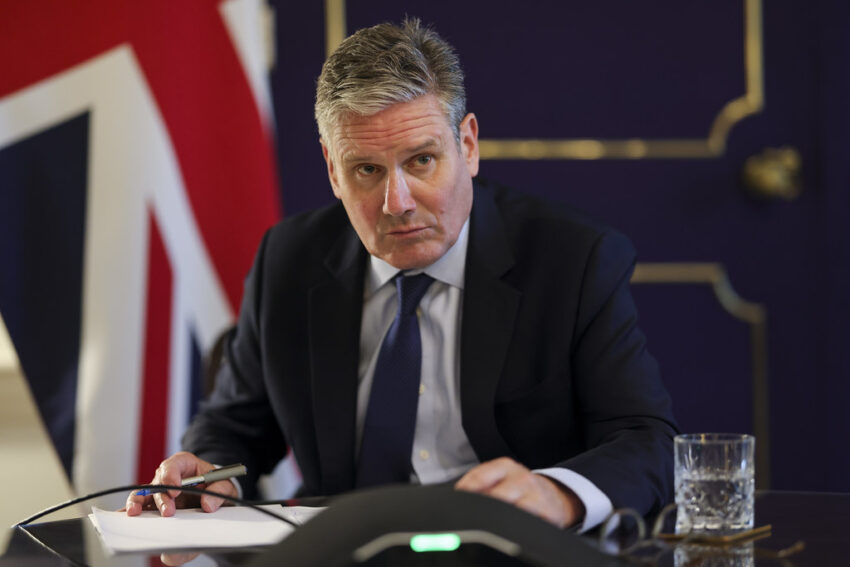
Labour leader Sir Keir Starmer has acknowledged the potential for worsening conditions, cautioning about a forthcoming ‘painful’ Budget. Such statements, while aiming to be candid, might inadvertently deepen economic concerns.
Sir Martin Sorrell from S4 Capital noted that Labour’s approach appears to prime the public for substantial tax increases. This contributes to an atmosphere of economic instability, affecting both consumer and business confidence.
Impact on Household Spending
Household spending patterns are shifting as a result of economic uncertainty. The GfK survey indicates a significant decline in the willingness to make large purchases, reflecting growing caution among consumers.
Families are prioritising essential expenditures, opting to retrench financially amid fears of rising costs and taxes. This trend is particularly pronounced among older generations, who are especially impacted following the elimination of winter fuel payments.
The survey results demonstrate that pensioners are increasingly anxious about their financial situation, leading to further retrenchment. The cancellation of winter fuel payments has heightened this concern, exacerbating existing worries about the future.
Economists Urge Reassurance
Economists, including Jagjit Singh Chadha from the National Institute of Economic and Social Research, have criticised the Labour party’s messaging. They advocate for a more confident government approach, as current communications focus heavily on warnings of impending hardship.
Despite signs of easing inflation and interest rates, typical indicators of improving economic sentiment, Andrew Wishart, a senior UK economist at Berenberg, suggests that Labour’s current tone is impeding confidence recovery.
Outlining a more assured vision for economic progress is seen as vital to reversing the downturn in both consumer and business confidence levels, according to experts.
Potential Consequences
The concern over a potential recession is becoming more pronounced, with fears that the current economic strategy could lead the nation into downturn. Businesses are cautious, and this sentiment is reflected across industries as firms hold back on growth initiatives due to fiscal uncertainty.
The tangible impact of this climate is already visible, with signs of stagnation emerging in investment and employment sectors. Companies are prioritising financial stability over expansion, a trend worrying for long-term economic health.
Future Outlook
With the Budget pending, the focus remains on how the government will address these growing concerns. The hope is that forthcoming policies will provide clarity and assurance to both consumers and businesses, stabilising confidence levels.
The pervasive sentiment of caution among consumers and businesses is a response to the current economic and political climate. Addressing these concerns with positive leadership and reassurances could prove pivotal in averting a deeper economic decline.

