
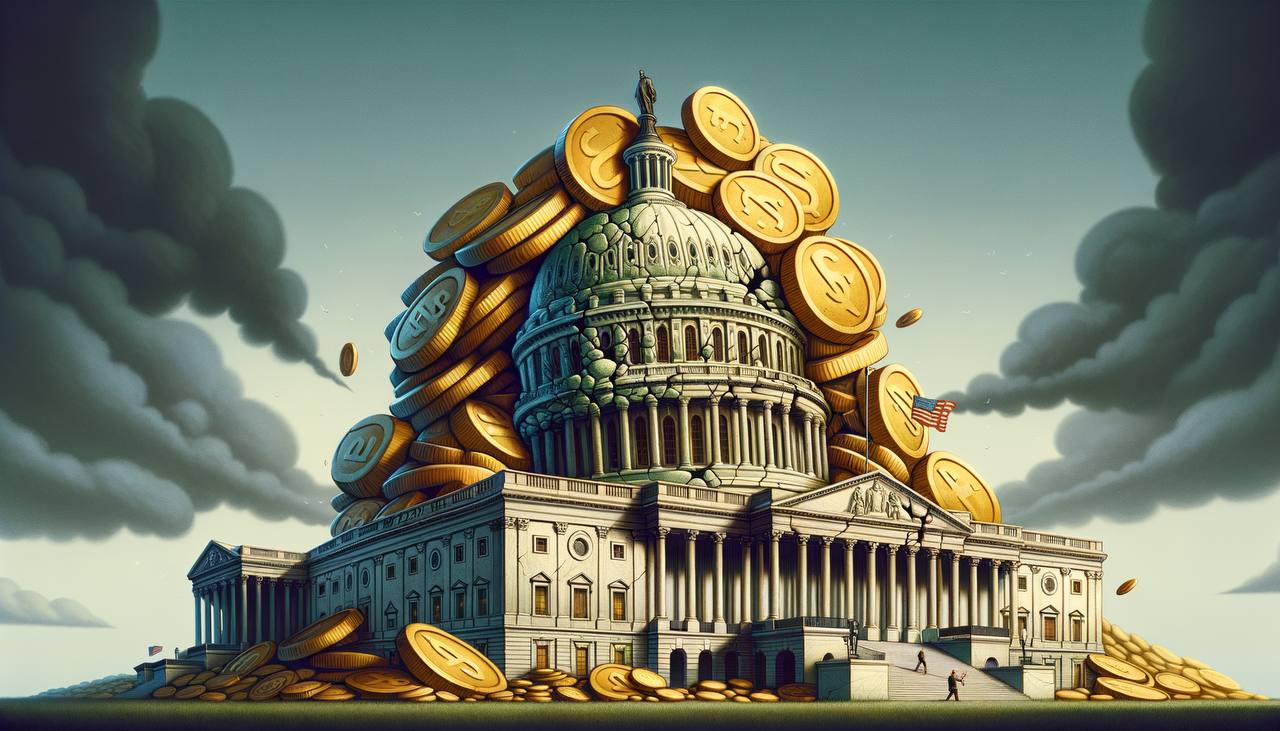

The economic ambitions of Donald Trump and Kamala Harris have sparked significant debate. As they vie for the presidency, their plans are dissected for potential impacts on the national debt.
Both candidates propose measures that could lead to a significant increase in the national debt, prompting concerns among financial experts and voters alike.
Overview of Economic Plans
US Presidential candidates Donald Trump and Kamala Harris have introduced separate economic plans aimed at revitalising the American economy. Harnessing distinct approaches, both candidates have proposed initiatives that promise substantial changes. Despite differing strategies, analysts are concerned that these plans have the potential to significantly escalate the national debt, exacerbating existing financial concerns.
In their policy outlines, both Trump and Harris emphasise boosting border security and eliminating taxes on tips. These measures are part of broader economic strategies that, while potentially popular among certain voter demographics, pose questions about their long-term fiscal implications. The balance between immediate economic stimulation and sustained fiscal health remains a critical point of analysis.
Projected Debt Increase
According to the Committee for a Responsible Federal Budget (CRFB), Trump’s economic proposals could increase the national debt by an estimated $7.5 trillion over the next decade. Harris’s plans, while less expensive, may still add around $3.5 trillion during the same period. These figures highlight the immense financial burden that such initiatives could place on the country’s future economic stability.
The CRFB’s report emphasises that neither candidate has presented a comprehensive strategy to manage or reduce the growing debt. Instead, their plans seem likely to exacerbate current fiscal challenges. This assessment suggests that without careful financial stewardship, the US could face heightened risks of fiscal crises.
Economic Growth vs. Debt Concerns
The rising national debt is a topic of intense debate within economic and political circles. Proponents of the proposed plans argue they could propel economic growth and increase employment rates. Critics, however, caution against the potential long-term consequences of ballooning debt levels, which may undermine these benefits.
High national debt levels could lead to increased interest rates, which would, in turn, elevate the cost of borrowing and stifle economic growth. These factors contribute to a complex economic landscape where the balance between growth and financial prudence remains a subject of contention.
Both candidates’ plans, while distinct, share a common challenge: how to stimulate economic growth without substantially worsening the debt situation. Analysts continue to debate the viability of these proposals, considering both their economic promises and their fiscal responsibilities.
Current Debt Situation
As of October 2024, the US national debt has reached an alarming $35.68 trillion. This mounting debt underscores the urgency of implementing effective fiscal policies to prevent further financial deterioration. The current figures suggest a need for stringent economic measures to restore fiscal balance.
Efforts to manage national debt have historically encountered numerous obstacles, including political disagreements and economic volatility. These challenges complicate the pathways to sustainable financial recovery, suggesting the necessity for bipartisan cooperation and innovative solutions.
Policy Implications
The potential increase in national debt as a result of these economic plans carries significant policy implications. Increased debt levels may constrain future policymakers, limiting their capacity to enact new initiatives without exacerbating the financial strain.
This situation raises questions about the sustainability of aggressive economic policies. As future leaders may find themselves dealing with constrained budgets, the focus may need to shift toward innovative policy solutions that address both growth and fiscal responsibility.
The dialogue surrounding these proposals also emphasises the importance of transparency and accountability in government spending. Citizens and stakeholders alike call for clear and detailed plans that outline the path to economic revitalisation without compromising fiscal health.
Potential Solutions
Several economists propose alternative strategies to mitigate the potential debt increase. Suggestions include restructuring current fiscal policies and implementing targeted tax reforms that could enhance revenue without overburdening citizens.
Additionally, there is an emphasis on investing in sustainable infrastructure and emerging technologies, which could spur economic growth and generate new revenue streams. These investments are seen as vital components of a balanced strategy that prioritises both immediate economic needs and long-term fiscal health.
Conclusion
The economic proposals from Trump and Harris offer divergent paths for the nation’s future, each with potential benefits and risks. However, without careful consideration and strategic planning, these plans risk exacerbating the national debt, challenging future fiscal stability.
To navigate these challenges effectively, adopting a balanced approach that embraces fiscal responsibility and innovative growth solutions remains imperative for ensuring the country’s economic health.
Navigating the delicate balance between economic growth and fiscal health is crucial. Without prudent oversight, the proposed plans could lead to a substantial increase in national debt.
Thus, fostering an informed dialogue on fiscal responsibility and economic innovation is essential to chart a sustainable path forward.

