
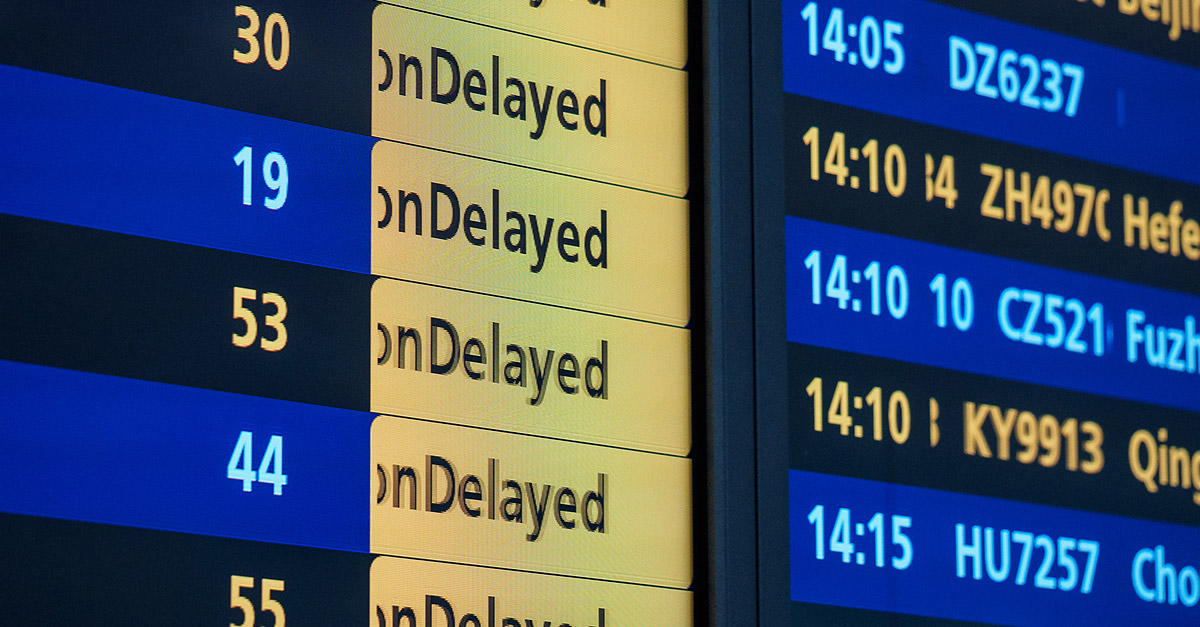

Air traffic delays in Europe have reached unprecedented levels, predominantly due to economic measures impacting air traffic management systems. According to a recent Eurocontrol report, the need for significant transformation in management practices is evident, despite ongoing efforts to enhance capacity.
The report highlights that while weather conditions remain a factor, the declining number of air traffic controllers has exacerbated the situation. The existing plans for traffic management are insufficient, demanding an urgent overhaul and a balanced approach between cost efficiency and service quality.
Current Challenges in Air Traffic Management
The Eurocontrol Performance Review Report sheds light on the significant surge in air traffic management delays across Europe last year. While adverse weather was responsible for 57% of these delays, a notable factor was the shortage of air traffic controllers. The current capacity plans fail to meet both present and future performance targets, indicating an urgent need for change.
Eurocontrol emphasises that the pressure to economise has led to a persistent challenge in maintaining sufficient numbers of qualified air traffic controllers. The agency calls for a reassessment of operational frameworks amidst significant fragmentation and the absence of a concerted effort to establish a unified European airspace.
Impact of Economical Constraints
The report recounts how a prior focus on cost management kept air traffic management costs stable from 2012 to 2019, even as traffic grew. However, this attention to efficiency coincided with a gradual rise in flight delays, which escalated in 2018–19 due to unresolved capacity issues.
As air travel resumed following the pandemic, the network revealed lasting capacity shortfalls that led to ongoing performance challenges. During the summer of the previous year, punctuality slightly improved compared to the summer of 2022, but overall it declined to its worst rate in two decades, with less than 71% of flights on time.
Consequences of the War in Ukraine
Eurocontrol reports that Russia’s invasion of Ukraine compounded these capacity constraints by necessitating the closure of Ukrainian airspace. The closure and reciprocal bans on Russian airspace severed many vital East-West airways, compelling flights to reroute and further straining capacities.
This geopolitical conflict has not only disrupted civil aviation but also heightened military operations and training requirements within Europe’s airspace. The ongoing military activities demand a substantial share of the airspace, impeding its availability for commercial flights and potentially extending travel times.
The war has underscored existing limitations in air traffic management, compelling states to reconsider the rigid airspace management approaches currently in use.
Need for a Unified Airspace
Eurocontrol argues that many European nations employ the most stringent airspace management practices, conflicting with the principles of flexible usage. Typically, military use of airspace should be temporary and limited to essential periods, freeing up substantial space for civil aviation otherwise.
The report suggests that relaxing military airspace reservations, particularly during weekends, could significantly reduce flight durations and resultant fuel and CO2 emissions, thereby improving overall efficiency. This adjustment requires cooperative efforts among European states to harmonise airspace management practices.
Recommendations for Future Improvements
The report advocates for transformational changes rather than minor adjustments to resolve these pervasive issues effectively. Eurocontrol insists on implementing strategies that not only scale existing capacities but also introduce innovation to enhance service delivery.
Improved collaboration among member states, investment in technological advancements, and strategic recruitment are vital to ensure the system evolves to meet rising demand sustainably. The emphasis on a seamless, unified operational model across Europe is critical to overcoming future challenges.
Moving forward, Eurocontrol encourages governments to reinvigorate their commitment to the ‘single European sky’ initiative aimed at consolidating and simplifying airspace management across the continent.
Conclusion and Outlook
In conclusion, the persistent air traffic delays in Europe highlight the critical need for comprehensive reforms in air traffic management systems. While current practices strain under growing demands, there lies an opportunity to innovate and enhance efficiency through targeted economic and operational reforms.
Eurocontrol’s extensive review underscores the necessity for a collaborative approach to overcome existing challenges and streamline operations, potentially easing delays significantly in the future.
The challenges to European air traffic management underscore the urgent need for reform. Addressing both economic constraints and operational inefficiencies is vital to enhance capacity and service quality, ensuring that the air traffic network can support contemporary demands. Innovation and collaboration present pathways to a more resilient air travel sector.

