
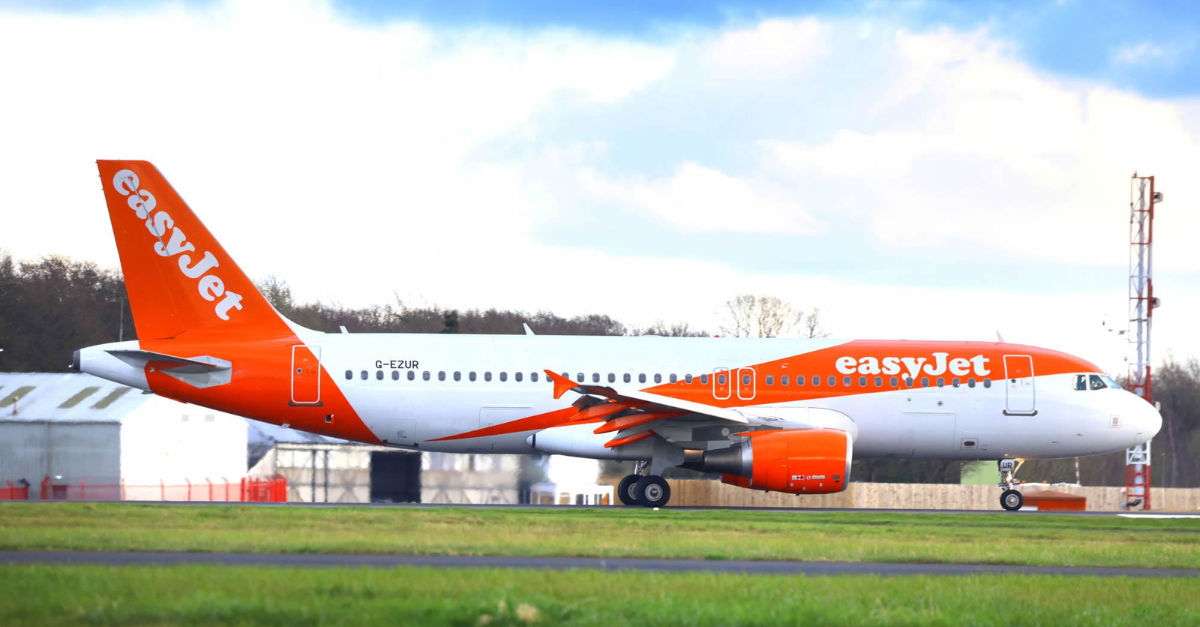

EasyJet has announced the continuation of its suspension on flights to Tel Aviv, extending the halt until next spring. This decision highlights ongoing concerns regarding safety and security amidst regional tensions.
The extension affects flights scheduled between 27 October 2024 and 29 March 2025. Customers affected by the suspension are being offered several options, including full refunds. EasyJet’s decision underscores the challenging operational environment in the Middle East due to heightened conflict in the region.
The initial suspension of flights by EasyJet to Israel was part of a broader response by multiple airlines to the escalating Israel-Gaza conflict. Flights were first halted last October, following increased hostilities in the area.
During this period, airlines worldwide reviewed their operations in the region, prioritising the safety of their passengers and crew over maintaining scheduled services. The volatile situation made it unpredictable for regular flight operations.
Affected passengers have been provided with options including a full refund or a possibility to change their flights. EasyJet’s customer service is actively contacting those booked on the suspended flights to facilitate these changes.
The response from passengers has been mixed, with some expressing relief at the proactive measures taken by the airline for their safety, while others are disappointed at the disruption to their travel plans.
Virgin Atlantic has also made adjustments to its operations, albeit to a lesser extent. Their flights to Tel Aviv are scheduled to resume on 5 September after a thorough risk assessment.
A spokesperson from Virgin Atlantic emphasised that the safety and security of their passengers and crew remain paramount. Passengers were advised to check flight statuses regularly in light of the dynamic situation.
The halt in air services to Tel Aviv has broader implications for the travel industry, significantly affecting tourism and business travel routes to Israel.
Other airlines have similarly opted for suspensions or adjusted scheduling, underscoring a cautious approach to flights in volatile regions. Industry analysts suggest that this extension of suspension by EasyJet reflects a larger trend towards risk aversion amidst geopolitical tensions.
Continuing suspensions and alterations have potential economic repercussions. Airlines face financial strain as routes are paused and alternative destinations are considered for network viability.
For passengers, refunds and rebookings offer some solace, yet the broader economic impact on tourism and business in Israel poses significant challenges.
EasyJet remains committed to resuming services once conditions stabilise. The airline is closely monitoring the geopolitical developments and will adjust its operational plans accordingly.
Stakeholders, including passengers and industry partners, are advised to stay informed about future updates, as the situation remains fluid and can change rapidly.
The ongoing suspension of flights to Tel Aviv by EasyJet illustrates the complex interplay between airline operations and geopolitical stability.
While customers face inconveniences, the priority remains on ensuring safety, a principle underpinning current airline strategies.
In conclusion, EasyJet’s decision to extend the flight suspension to Tel Aviv underscores the airline’s commitment to passenger safety amidst uncertainty. The decision reflects widespread industry caution in response to ongoing regional conflicts.
As the situation evolves, both airlines and travellers are navigating unpredictable circumstances, highlighting the need for adaptable and informed decision-making in global travel.

