

The trend of launching travel seasons earlier is causing significant issues within the industry.
- The increasing rate of cancellations due to early season launches is impacting agent commissions.
- Agents are expressing concern over low deposit rates leading to higher cancellation profiles.
- There are differing rates of deposit and cancellation repercussions across the country.
- Industry leaders are calling for a reevaluation of current business models to maintain agent viability.
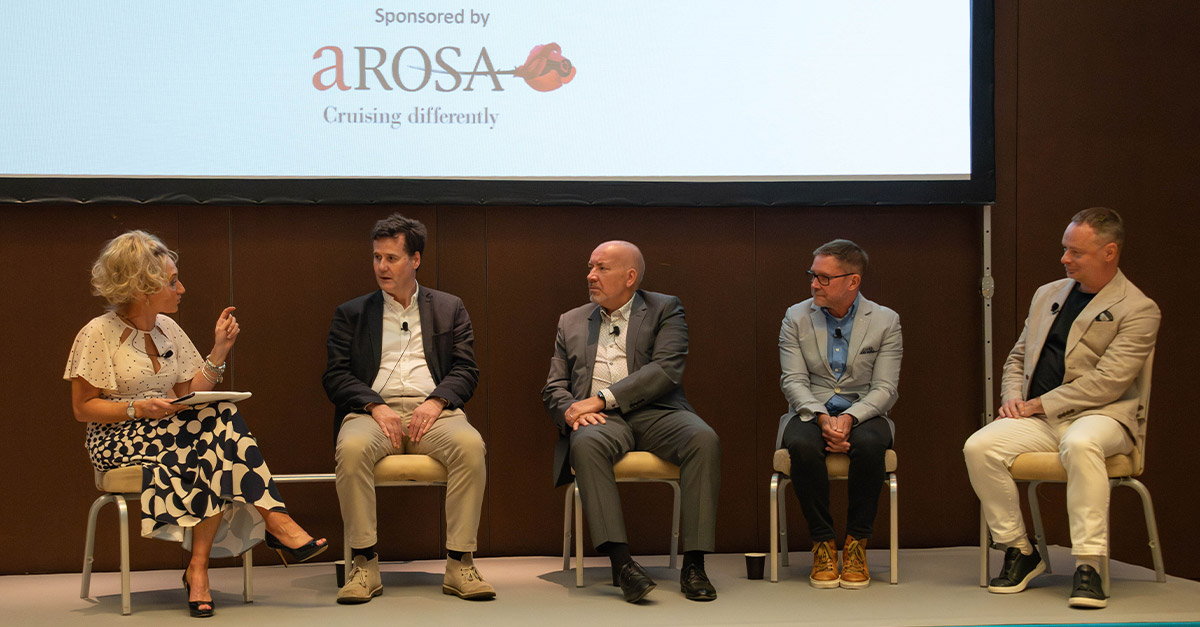
The practice of early season launches is becoming a substantial concern within the travel industry, as it contributes to an alarming increase in cancellation rates, directly affecting agent earnings. Alistair Rowland, chief executive of Blue Bay Travel and chairman of Abta, described the repercussions of premature holiday season launches, noting that the insufficient deposit amounts encourage a higher rate of cancellations. He stated, “The earlier launch of mainstream holiday seasons is becoming a problem. The launches are too early. The deposits are too low, and that is driving a much higher cancellation profile.”
Rowland’s observations were echoed by John Sullivan, the commercial director of the Advantage Travel Partnership, who highlighted the nightmare facing agents due to varying deposit rates across regions, with some tour operators facing cancellation rates as high as 40%. He remarked that this inconsistency means agents invest significant effort without receiving any commission, thus impacting their financial stability.
The phenomenon of early launches has escalated following the post-pandemic travel surge, with companies like Jet2holidays already selling their summer 2026 programmes and others like easyJet holidays preparing their winter offers for 2025-26. Neil Swanson, Tui UK and Ireland’s managing director, conceded the importance of monitoring the cancellation rates, although he argued that the demand from customers is driving this practice, suggesting that consumer desire is a significant factor in early launches.
John Sullivan further criticised the lack of consistent pricing between online platforms and in-store offerings, arguing that such disparities send confusing messages to consumers. He insisted that adopting a consistent business model would enhance customer experience and align financial incentives appropriately for agents.
Mark Duguid, Kuoni’s managing director, reiterated the importance of price parity while emphasising the need to achieve proper commission structures to ensure agent satisfaction and long-term viability. Alistair Rowland warned of the risks facing agents should there be a decline in consumer demand post-Covid, stressing that current cancellation rates could prove unsustainable.
Despite the challenges, Neil Swanson of Tui expressed satisfaction with the company’s sales performance through third-party agents, noting that some have successfully increased their engagement with Tui. John Sullivan, representing trade interests, suggested potential strategies to further enhance agent collaboration, demonstrating that mutual benefits could be achieved with adjusted approaches.
The travel industry must reassess its current practices to ensure the sustainability and profitability of agents amidst rising cancellations.

