
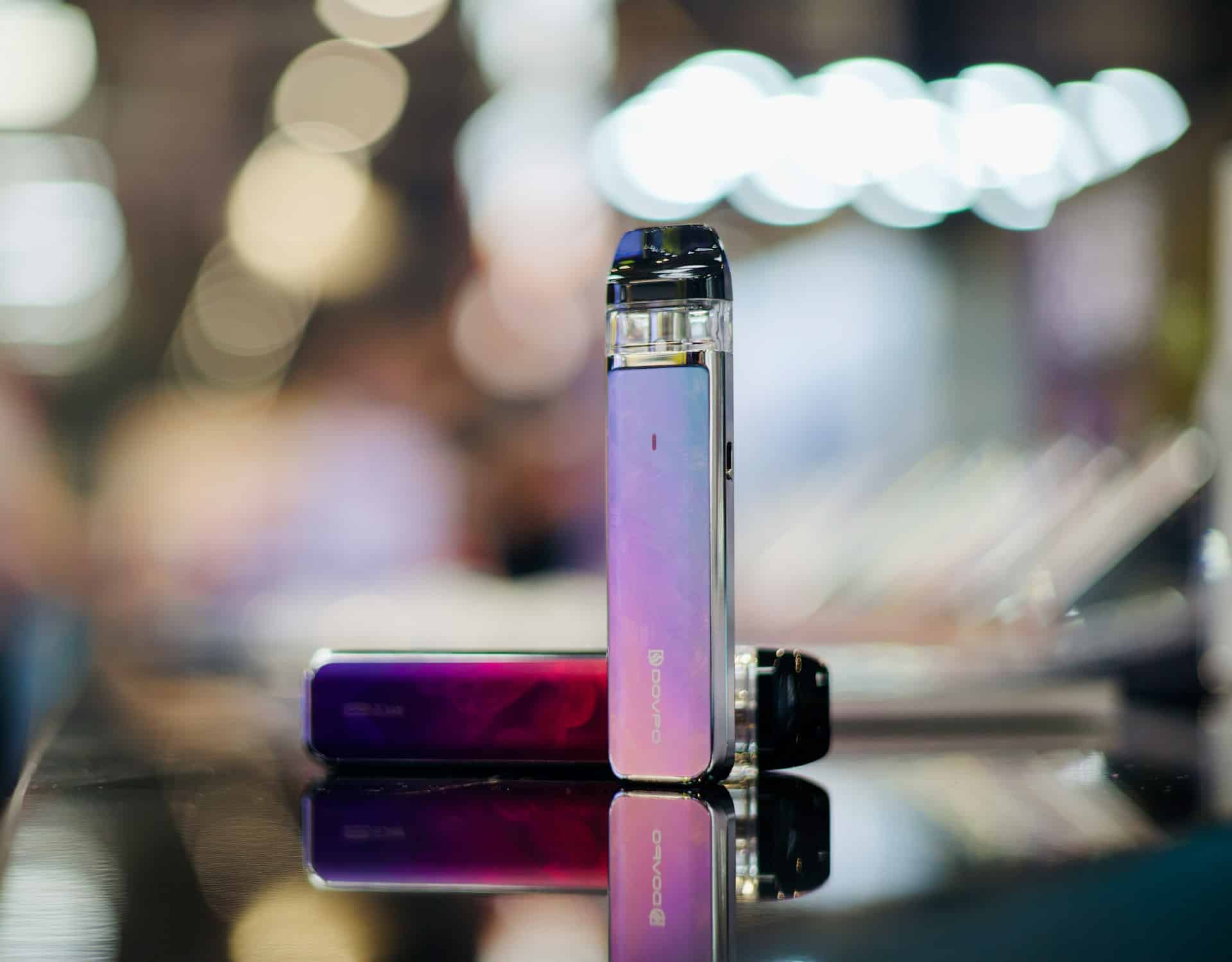

The UK government has enacted stringent regulations to safeguard consumers using e-liquids and vaping devices.
- The Tobacco Products Directive governs e-liquids, setting limits on nicotine content and packaging size.
- Labels must display ingredients, allergens, and health warnings to promote transparency.
- Before sale, e-liquids undergo rigorous testing and MHRA approval to prevent health hazards.
- Advertising is tightly restricted to deter youth uptake and avoid misleading claims about vaping.
In the United Kingdom, the regulation of e-liquids—fluids used in e-cigarettes—is crucial. These products fall under the Tobacco Products Directive (TPD), which defines specific standards for the manufacturing, marketing, and sale of e-liquids and vaping devices. One of the primary concerns addressed by the TPD is nicotine content, with a cap of 20mg/ml to prevent excessive consumption and avert addiction or toxicity risks. Additionally, the TPD mandates that e-liquids be sold in bottles no larger than 10ml and that tanks or pods have a maximum capacity of 2ml, steps designed to limit nicotine exposure and prevent accidental ingestion, particularly by minors.
Ensuring transparency is a core tenet of the UK’s e-liquid regulations. Manufacturers are required to provide comprehensive ingredient lists on all e-liquid packaging, including disclosures regarding any allergens present. Furthermore, it is mandatory for packaging to highlight nicotine content, offering safe-use and storage instructions alongside appropriate health warnings. Importantly, producers are prohibited from making unsubstantiated claims, such as declaring their products as healthier or safer alternatives to traditional smoking, even though such assertions may appeal to those trying to quit conventional cigarettes.
Before reaching the UK market, e-liquid products must pass extensive testing and receive approval from the Medicines and Healthcare Products Regulatory Agency (MHRA). Such tests ensure the absence of potentially harmful substances, including heavy metals and carcinogens. Approval signifies compliance with high safety standards, thus allowing legal sale. Manufacturers are also obligated to annually report to the MHRA concerning the safety and quality assessments of their products, a measure intended to maintain rigorous safety protocols and promptly address any emerging risks.
Advertising restrictions are stringent in the UK for e-liquids and vaping devices to shield young audiences from misleading promotions. The prohibition extends across television, radio, and print media, aiming to prevent the normalization of vaping as a socially acceptable trend among the youth. While online advertisements are allowed, they must adhere to strict guidelines, avoiding deceptive claims and refraining from targeting minors, thereby ensuring that marketing does not exploit younger demographics through appealing imagery or enticing flavours.
Compliance with e-liquid regulations in the UK is not merely procedural but essential for protecting public health. This regulatory framework curtails the potential dangers associated with vaping by enforcing safety in production environments and ensuring product content transparency. Concerns persist regarding the inclusion of toxic chemicals in e-liquids, a risk amplified in regions where regulations are lax, posing a significant health threat to consumers. Conversely, the UK’s robust regulations set a commendable standard for consumer protection, mitigating risks associated with substandard products.
The UK’s comprehensive e-liquid regulations prioritise consumer safety through stringent measures on nicotine limits, transparency, and rigorous product testing.

