
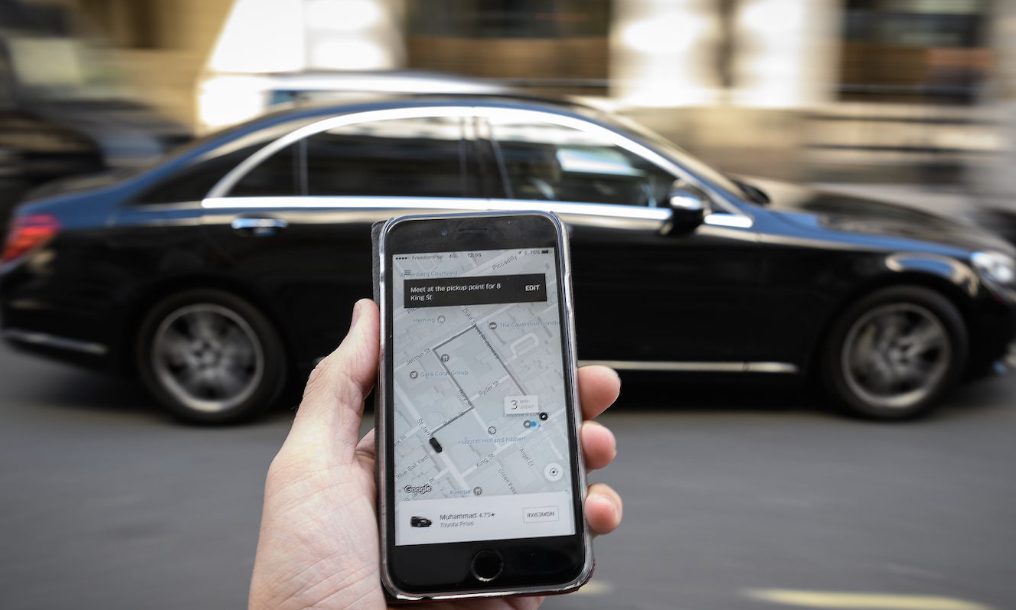

Navigating the possibility of driving for Uber post-DUI requires understanding company and state regulations.
With the rise of flexible driving options, it’s crucial to grasp how legal constraints like a DUI affect eligibility.
Understanding Uber’s Requirements
If you’re wondering whether you can become an Uber driver with a DUI, it is crucial to understand Uber’s eligibility criteria. The company mandates that potential drivers should be at least 21 years old. Applicants over the age of 23 must have a minimum of one year’s driving experience in the United States, while those under 23 need three years.
A valid and legal driver’s license is essential, as well as a vehicle that meets Uber’s standards. This typically includes having a four-door car that complies with their regulatory and safety checks. These foundational prerequisites help ensure safety and reliability.
The DUI Impact on Your Uber Application
A DUI charge can significantly impact your chances of driving for Uber. Uber conducts rigorous background checks, and a DUI conviction from the last seven years could disqualify you. In California, this duration may extend to ten years, demonstrating the strict measures in place to ensure passenger safety.
If your DUI was dismissed, there may be opportunities to appeal the decision. Uber’s protocol necessitates continuous updates and monitoring of driver records, further imposing responsibility on applicants to maintain a clean slate.
Comparing Lyft’s Similar Approach
Lyft maintains a similar stance, imposing stringent guidelines on drivers’ past records. Individuals with a DUI within the previous seven years often face disqualification. Four or more moving violations in the past three years can also affect eligibility.
Lyft’s policies are designed to ensure that only drivers who consistently follow regulations are allowed to operate. Continuous monitoring of driver behaviour is a critical part of their safety protocols.
Navigating State-Specific Regulations
Rideshare drivers need to be aware of state-specific laws concerning DUIs. Background checks for both Uber and Lyft include records from all states, and any previous infractions will be taken into account.
These policies ensure comprehensive scrutiny and might vary slightly depending on individual state legislation. Drivers should therefore be well-versed in local laws to thoroughly understand their standing. Understanding interstate regulations is crucial for maintaining eligibility.
For prospective applicants with prior DUIs, familiarising themselves with each state’s approach to ridesharing rules will be beneficial. Some states might be more lenient, while others enforce stricter guidelines.
The Role of Legal Assistance
Legal counsel from a qualified DUI lawyer can be invaluable for those with a DUI seeking to drive for a rideshare service. Experienced lawyers can evaluate case details and suggest if there is potential to have charges reduced or dismissed altogether.
Negotiating a plea for a lesser charge may also be an option, although some lesser charges might still complicate rideshare eligibility. Understanding the implications of a DUI through legal advice is strongly recommended.
The choice of an attorney should be guided by their expertise in DUI cases and familiarity with rideshare industry norms. Many firms offer free consultation sessions, providing an opportunity to explore viable options without financial commitments.
Keeping Your Driving Record Clean
To maintain a clean record, adhering to all traffic laws is paramount. Simple practices, such as obeying speed limits and signals, can prevent minor violations that accumulate over time.
Avoiding reckless driving practices is crucial, as infractions like speeding excessively contribute significantly to negative driving records.
Regularly checking your driving record and addressing potential issues swiftly helps in maintaining a qualification status suitable for Uber and Lyft services.
Evolving Policies in Ridesharing
Rideshare platform policies are subject to change, with companies like Uber and Lyft frequently updating their requirements.
Staying informed about both organisational and state policy adjustments guarantees compliance and future eligibility. Public perceptions of DUI offences often influence these changes as companies strive to align with societal expectations.
Securing a rideshare position post-DUI is challenging but achievable with informed choices.
Awareness of Uber and Lyft criteria, coupled with legal aid, can guide aspirants positively.

