
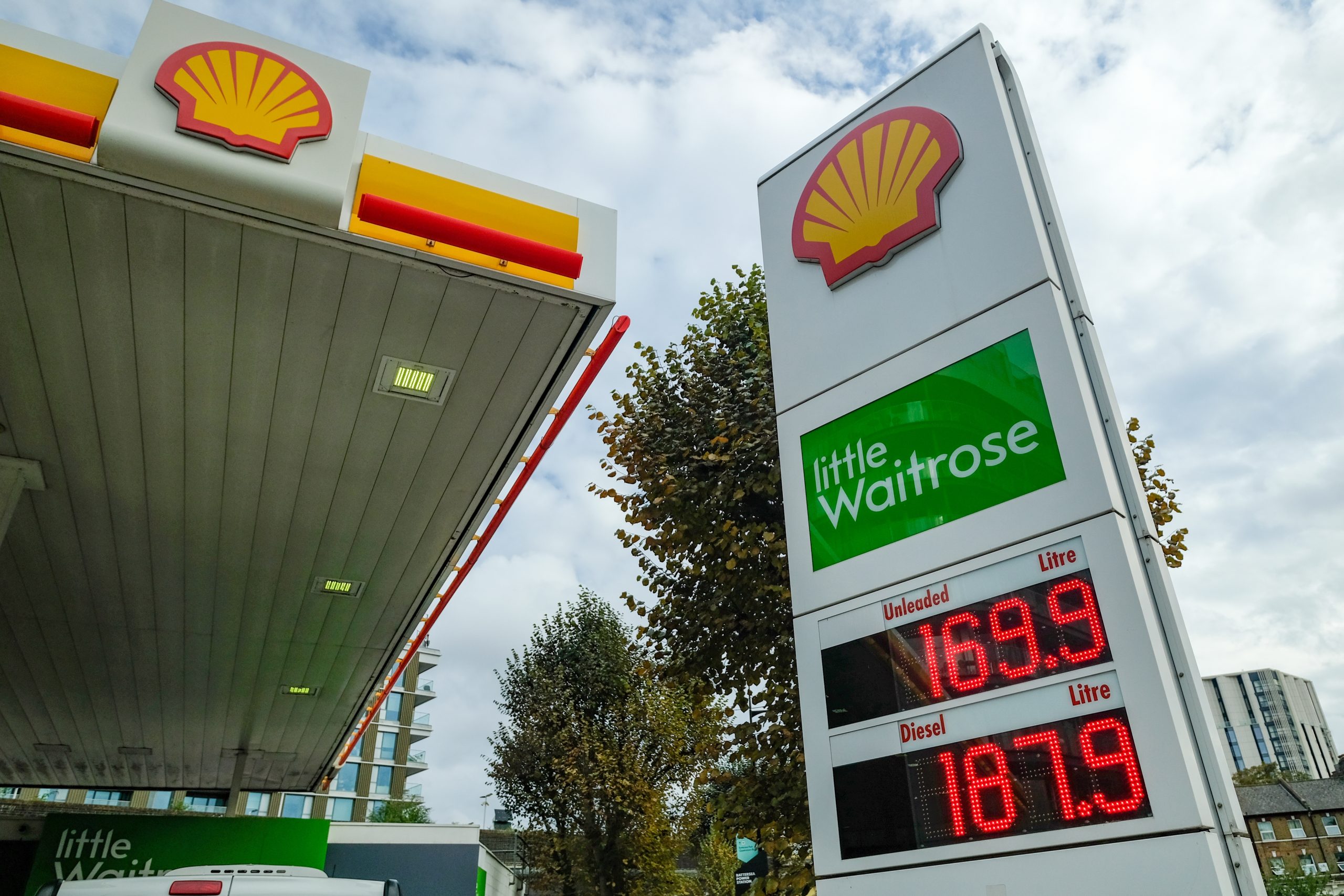

Motorists paid an extra 6p per litre for fuel at supermarkets last year because of weaker competition, according to a report by the competition watchdog.
In a year-long investigation into the road fuel market in the UK, the Competition and Markets Authority (CMA) examined whether there was any “failure in competition” which resulted in higher pump prices for petrol and diesel.
It found that increased supermarket fuel margins led to drivers paying an extra 6p per litre.
While supermarkets are usually the cheapest places to buy fuel, the CMA found that Asda’s targeted fuel margins for 2023 were more than three times what they had been for 2019, while Morrisons’ target doubled in the same period. Sainsbury’s and Tesco raised their prices in line with these changes, indicating that “competition has weakened”, the CMA said.
Asda was issued with two £30,000 fines for sending a representative to attend a mandatory interview who was not able to provide evidence on topics they had advance notice of, and for failing to respond completely to a compulsory request for information.
“Competition at the pump is not working as well as it should be and something needs to change swiftly to address this,” said Sarah Cardell, chief executive of the CMA. “Drivers buying fuel at supermarkets in 2022 have paid around 6p per litre more than they would have done otherwise, due to the four major supermarkets increasing their margins. This will have had a greater impact on vulnerable people, particularly those in areas with less choice of fuel stations.”
To help “reignite competition” among fuel retailers, it needs to be easier for drivers to compare up-to-date prices so retailers have to compete harder for their business, Cardell added.
The regulator recommended a ‘fuel finder scheme’ to help drivers find the cheapest prices online. Giving drivers access to live, station-by-station fuel prices on their phones or satnavs, it would be made possible by new compulsory open data requirements and backed by a new ‘fuel monitor’ oversight body.
The RAC said that drivers appeared to have lost nearly £1bn as a result of increased retailer margins on fuel.
“It’s all about action now and we very much hope the government follows through with both of the CMA’s recommendations,” said RAC fuel spokesman Simon Williams. “While forcing retailers to publish pump prices is a positive step for drivers, what’s of far more significance is the creation of a fuel monitor function within government which, we very much hope, actively monitors wholesale prices to ensure forecourts don’t overcharge when the cost they pay to buy fuel drops.”

