
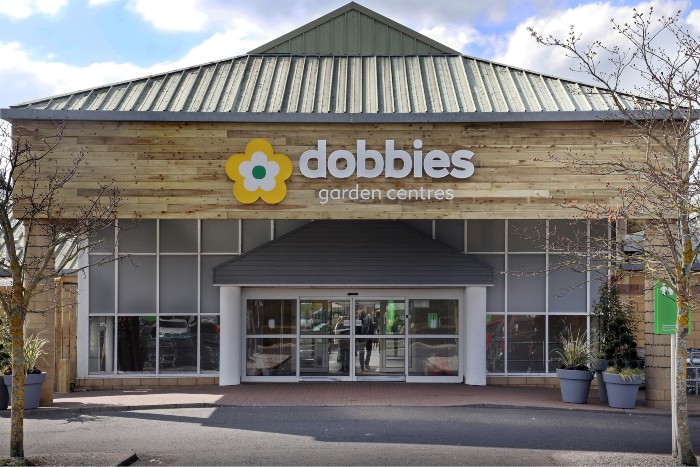

Dobbies Garden Centres has embarked on a significant restructuring initiative to address unprofitable operations. The closure of 17 sites marks a decisive step in its plan to enhance financial stability.
As part of the strategy to re-establish profitability, Dobbies seeks to tackle historically high rental costs. The company aims to optimise its store portfolio, ensuring a sustainable future.
Dobbies’ Strategic Restructuring Begins
Dobbies Garden Centres has announced a strategic restructuring plan, impacting 17 of its locations across the UK. The plan is set to address the issue of historically high rent costs that have hindered profitability. These closures include 11 mainline centres and six Little Dobbies stores, which are all identified as unprofitable. As a result, 465 out of the company’s 3,600 employees will be affected, leaving Dobbies with a total of 60 operational centres.
Ongoing Operation and Supplier Stability
Despite the impending closures, all Dobbies stores will continue their operations as usual during the restructuring process. This decision ensures no immediate disruption to the customer experience or supply chain. Moreover, the company has committed to maintaining stable relationships with its suppliers, ensuring that there are no interruptions in supply and service during this transitional period.
The restructuring is projected to result in closures by year-end, contingent upon the plan’s approval. This proactive approach follows Dobbies’ August announcement of a financial overhaul, indicating the necessity of rent reductions and shop closures.
Specific Locations Affected
The closures affect the following specific sites: Altrincham, Antrim, Gloucester, Gosforth, Harlestone Heath, Huntingdon, Inverness, King’s Lynn, Pennine, Reading, and Stratford-upon-Avon.
Additionally, Little Dobbies locations in Cheltenham, Chiswick, Clifton, Richmond, Stockbridge, and Westbourne Grove are also included. This geographical span highlights the broad scope of Dobbies’ cost-cutting initiative, spanning both major urban areas and smaller communities across the UK.
This move aims to strategically consolidate Dobbies’ presence by focusing on profitable locations and efficiently managing operational costs. The decision underscores the company’s commitment to ensuring long-term sustainability.
Negotiations with Landlords
In addition to store closures, Dobbies is engaging in discussions with landlords to secure temporary rent reductions at nine additional sites. This measure is part of the broader strategy to minimize costs and improve financial viability. Such negotiations reflect a tactical approach to stabilizing the company’s balance sheet while minimizing job losses.
By seeking rent relief, Dobbies demonstrates its resolve to adapt to challenging market conditions. This effort illustrates the retailer’s commitment to maintaining a presence where feasible while optimising financial performance.
Financial and Operational Impact
While focusing on reducing unprofitable ventures, Dobbies aims to safeguard its core business operations. The restructuring is expected to have both immediate and long-term financial benefits, enhancing overall profitability and operational efficiency.
The decision to close certain locations is designed to bolster the company’s financial health. Moreover, these actions are taken with a long-term perspective, aiming to foster a sustainable business model.
This initiative comes amid broader efforts to refine operational strategies across the retail sector. As businesses grapple with economic pressures, such strategic realignments become essential in navigating the complex market landscape.
Future Prospects and Business Optimisation
Looking ahead, Dobbies is poised to focus on its thriving outlets. By eliminating financial drains, the company aims to capitalise on its strongest assets and customer base. This strategic focus is expected to foster a more resilient operational profile in the competitive gardening sector.
Dobbies intends to invest in innovation and customer engagement at its remaining locations. These efforts are critical in maintaining a leadership position within the industry, ensuring that customer needs and market dynamics are effectively addressed.
Implications for Employees and Communities
The closures will inevitably impact employees and local communities, necessitating a thoughtful approach to transition. Dobbies is committed to supporting affected staff through this period, recognising their contributions to the company.
This restructuring phase signals a pivotal moment for Dobbies as it strives for profitability and sustainability. The move underscores its commitment to adapting to market challenges while safeguarding its core business values.
By focusing on profitable locations and operational efficiencies, Dobbies is determined to strengthen its market position and deliver value to both customers and stakeholders.

