
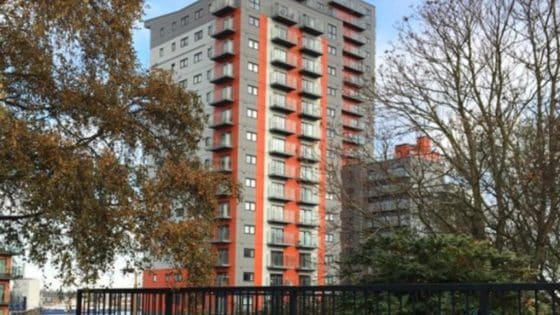

In a recent inquiry, post-Grenfell fire-safety reforms are at the centre of a planning dispute impacting a luxury development.
- A developer claims these reforms led to breaches in planning permissions, now risking demolition of two newly constructed blocks.
- Local council contests the changes, citing 26 deviations from the original approved plan including facade alterations.
- The inquiry will determine the fate of 204 homes, scrutinising potential violations such as poor accessibility and insufficient outdoor space.
- Comer Homes defends against demolition citing environmental and community impacts, offering remedial actions to align with planning strategies.
The ongoing planning inquiry has drawn attention to the implications of post-Grenfell fire-safety reforms on construction practices. Comer Homes, in defence of its luxury build-to-rent development, attributes deviations from the original planning permission to the necessity of complying with these reforms. The alterations in facade materials, specifically upgrading to an A-rated aluminium finish, are highlighted as part of their safety upgrades.
Greenwich Council challenges this rationale, pointing out that the development diverges from the 2015 planning consent in 26 significant ways. These changes reportedly include key aspects such as facade modifications, design and massing issues, inadequate wheelchair access, and a lack of promised amenities like commercial spaces and landscaping. The council criticises the living conditions offered by the development, citing breaches in building regulations regarding overheating and insufficient provision of outdoor environments and daylight.
As the inquiry progresses, the council argues that Comer Homes was ‘wilful and deliberate’ in its failure to adhere to the agreed standards. This allegation forms the basis for their demand for demolition. However, Comer Homes acknowledges the breaches but disputes the necessity of demolition, suggesting it would result in the unwarranted loss of 204 homes and unnecessarily high carbon emissions. They propose instead to amend some development elements to better suit Greenwich’s planning strategy, such as improving community spaces, enhancing accessibility, and bolstering fire safety measures.
The decision on whether the development at Mast Quay should be demolished hinges on the inquiry’s findings, which will evaluate both the developer’s justification for the changes and the council’s regulatory concerns. The outcome will set a precedent for how similar issues are handled in light of evolving safety regulations post-Grenfell, potentially influencing future development practices.
The inquiry’s verdict will significantly impact future construction practices amid evolving safety regulations.

