
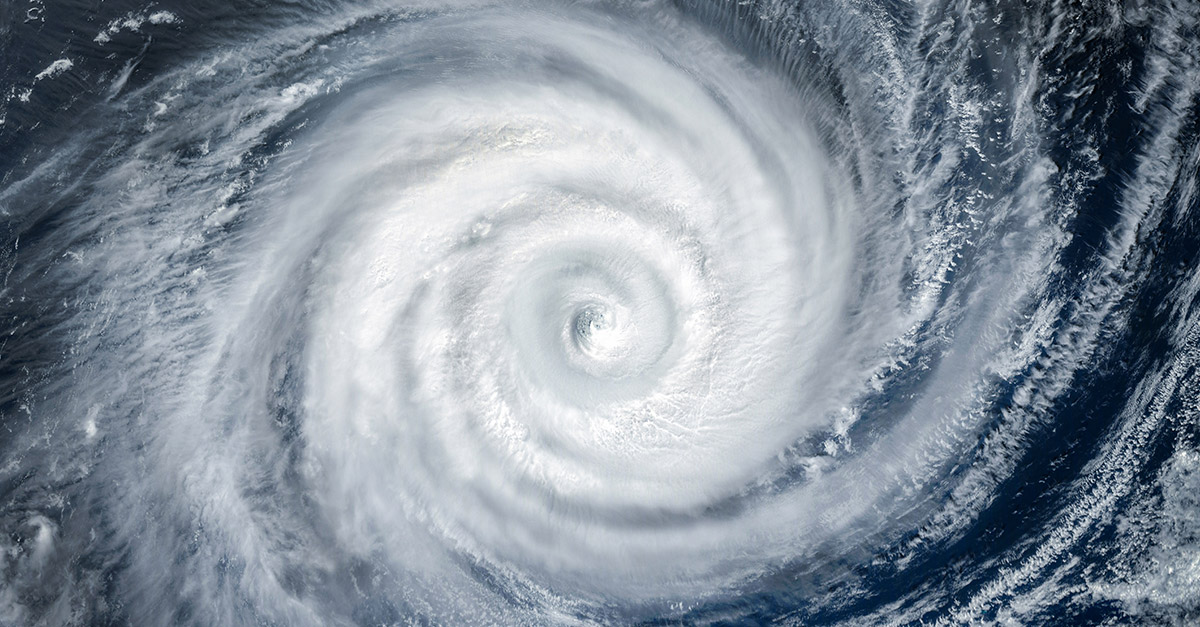

Hurricane Helene, a formidable Category 4 storm, has slammed into Florida’s Gulf Coast, unleashing winds up to 140 mph, creating life-threatening conditions. The storm’s intensity has necessitated urgent warnings for millions, highlighting the catastrophic potential of this extreme weather event.
As Helene moves inland, its influence extends to the southeastern United States, bringing with it significant risks of flooding, tornados, and landslides. Authorities have emphasised the dangers posed by this hurricane, urging residents to stay informed and take necessary precautions to remain safe.
Hurricane Helene’s Path and Current Status
The National Hurricane Centre (NHC) has classified Hurricane Helene as an “extremely dangerous” Category 4 hurricane, making landfall at Florida’s Big Bend region. Its journey across the Gulf of Mexico saw an intensification that now poses a grave threat to both coastal and inland areas. The NHC’s forecasts indicate a northwestward trajectory towards Georgia, with a slower pace expected over the Tennessee Valley.
Helene’s impact is severe, with damage anticipated across the southeastern United States including the southern Appalachian mountains. Reports indicate widespread power outages and significant structural damage, affecting thousands of residents. The scale of this disaster is unprecedented in recent memory, with government officials preparing for extensive recovery efforts.
Warnings and Precautionary Measures
Governor Ron DeSantis has strongly recommended that Floridians stay indoors and off the roads. His recent statements underscore the high risk to life and property, following an incident where a falling sign caused a fatality in Tampa. He expressed concern about the probable increase in casualties and damages as the storm progresses.
Meteorological Insights
Hurricane experts emphasise the need for real-time monitoring of the storm’s path and its impact. Advancements in forecasting have provided sufficient lead time for areas in Hurricane Helene’s trajectory to prepare, mitigating some of the potential damage.
Impacts on Transportation and Infrastructure
The storm has led to widespread disruptions in air travel, with numerous flights grounded and airports issuing travel advisories. The aviation industry is facing significant operational challenges as airlines work to re-route affected services and provide assistance to stranded passengers.
Cruise lines have also been forced to alter itineraries, diverting ships to avoid the storm’s path. Ports along the Gulf Coast are seeing increased activity as vessels seek refuge from hazardous conditions at sea.
Regional Response and Community Support
Emergency services across the region are on high alert, coordinating response efforts to address the immediate needs of affected communities. Local governments have mobilised resources to facilitate evacuations and provide aid.
Communities are banding together, with volunteers assisting in relief operations and local businesses contributing supplies. The sense of solidarity is palpable, as people come together to support each other in the face of adversity.
Long-term Recovery and Future Preparedness
As the immediate impact of Helene begins to subside, attention turns towards the long-term recovery process. State authorities are calling for federal assistance to help rebuild affected infrastructure and provide financial support to affected individuals.
Future preparedness plans are being evaluated, with a focus on enhancing infrastructure resilience and improving emergency response mechanisms. The lessons learned from Hurricane Helene are expected to inform future strategies to better protect vulnerable communities from such extreme weather events.
International Perspective
The international community is watching closely, with offers of support and solidarity coming from various countries. Hurricane Helene’s impact serves as a stark reminder of the increasing frequency and intensity of such natural disasters, prompting global discussions on climate change and disaster management.
As Hurricane Helene moves away, the full scale of its impact becomes clearer, prompting urgent calls for action and resilience. With recovery efforts underway, this event highlights the ongoing challenge posed by extreme weather, demanding strategic preparation and collective resilience to mitigate future risks.
Communities affected by Helene’s wrath are beginning to regroup, facing the arduous task ahead with determination and support from local and international partners. The resolve to rebuild and prepare for future storms is evident and unwavering.

