
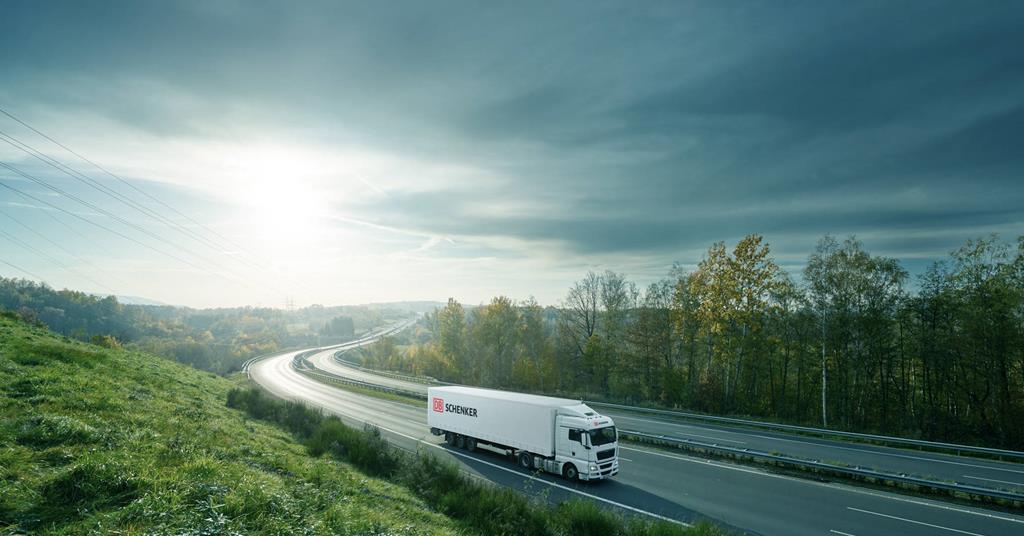

Deutsche Bahn (DB) has formalised an agreement to divest its logistics division, DB Schenker, to Danish company DSV for €14.3 billion (£12 billion).
- The transaction is pending final approval from DB’s supervisory board and the German government, with completion anticipated in 2025.
- DSV plans to invest approximately €1 billion (£839.2m) in Germany, aiming to establish a global transport and logistics leader.
- Richard Lutz from DB highlighted this sale as the largest in DB’s history, aligning with their strategic focus on rail infrastructure and sustainable transport.
- DSV’s CEO, Jens H. Lund, emphasised the combined entity’s potential for long-term growth and sustainable job creation.
The German rail conglomerate, Deutsche Bahn (DB), has reached an agreement to sell its logistics arm, DB Schenker, to Danish firm DSV in a transaction valued at €14.3 billion (£12 billion). This significant deal is subject to approval by DB’s supervisory board and the German government. The completion of the deal is projected for 2025, indicating a strategically phased approach to ensure alignment with regulatory and organisational frameworks.
DSV has articulated plans to invest around €1 billion (£839.2 million) in Germany as part of this transaction. The investment underscores DSV’s ambition to create a global leader in transport and logistics underpinned by robust competitive strategies.
Richard Lutz, CEO of DB, heralded the sale as not just a major financial transaction—the largest in DB’s history—but also a crucial step in refocusing DB’s core operations. He noted, “The sale of DB Schenker to DSV marks the largest transaction in DB’s history and provides our logistics subsidiary with clear growth prospects.” Additionally, this divestment aligns with DB’s focus on enhancing Germany’s rail infrastructure and promoting eco-friendly transport solutions across Europe.
Simultaneously, Jens H. Lund, CEO of the DSV Group, articulated a vision of integration and growth through this acquisition. He stated, “Hand in hand and under one roof, the employees of DSV and Schenker will combine our strengths to create a true global leader in the industry.” The strategic merger promises substantial competitive investments and aims to foster long-term growth, thereby creating sustainable employment opportunities within Germany.
Historically, DB announced the intended sale of DB Schenker to sharpen focus on its core rail business and address existing financial liabilities. The repositioning aims to bolster DB’s financial sustainability by reducing debt. This decision underscores a broader corporate strategy emphasising sustainable development and operational efficiency.
This landmark transaction marks a decisive shift towards strengthening Deutsche Bahn’s core focus on rail infrastructure and sustainability.

