
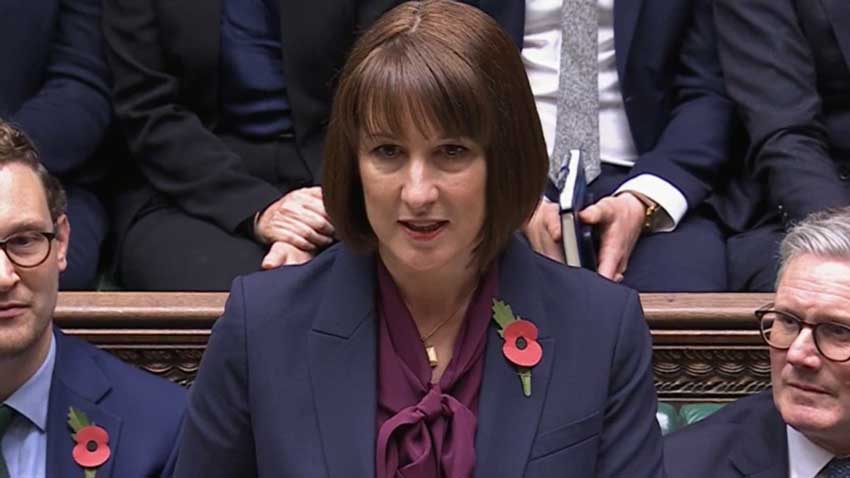

Rachel Reeves has unveiled the first Labour budget in over a decade, marking a significant milestone with her role as the first female Chancellor. Her commitment to driving growth and repairing both the economy and public services reflects a strategic vision for the future.
This budget aims to address historical grievances while ensuring economic stability. With ambitious plans for social investment, tax reforms, and infrastructure development, Reeves has laid a comprehensive framework for renewal and innovation. The focus now shifts to how these policies will translate into tangible change across the UK.
Mandate for Growth and Renewal
Rachel Reeves, addressing the nation, emphasised the need for Britain to embrace change. She declared the Labour Party’s intention to restore stability, marking the beginning of a new decade of development. Reeves highlighted the necessity for investment, repeating the mantra to ‘invest, invest, invest’ as the driving force behind economic growth. With a focus on repairing both public finances and services, Reeves outlined her vision for a revitalised Britain.
Reeves announced a significant allocation of funds to address past grievances, setting aside £11.8bn for victims of the contaminated blood scandal and £1.8bn for those affected by the Post Office scandal. She emphasised the pressing need for these actions by pointing out the visible deterioration in public services, including lengthy NHS waiting lists, failing school infrastructure, unreliable public transport, and overwhelmed prisons.
The budget also reinforced the Bank of England’s goal of maintaining a 2% inflation target, with predictions suggesting inflation may slightly exceed this in the coming years. Reeves expressed gratitude towards Bank officials and predecessors for their guidance and support, aiming to meet the economic stability rule by 2029, with projections suggesting possible achievement two years earlier.
Economic Forecast and Fiscal Strategy
Reeves detailed the borrowing and growth forecasts, noting a decrease in borrowing as a percentage of GDP from 4.5% to 2.1% by the end of the projection period. She presented optimistic growth figures for the near term but acknowledged a slowdown in the mid to long term, with GDP growth projected to adjust downwards after an initial increase.
Setting her sights on economic recovery, Reeves announced the appointment of a new Covid corruption commissioner responsible for recovering funds misappropriated during pandemic-related contracts. Additionally, David Goldstone was introduced as the chair for the newly established Office for Value for Money.
Further financial prudence was demonstrated through plans to tackle welfare fraud, projected to save £4.3bn. Reeves communicated a crackdown on fraudulent activities, particularly those perpetrated by criminal gangs, pledging to empower authorities with comprehensive tools and direct access to financial information to reclaim funds.
Social and Health Investments
Reeves has confirmed an uplift in the national minimum wage, reinforcing support for low-income earners. In a major policy shift, the carer’s allowance will accommodate earnings up to £10,000 annually, reflecting the largest increment since its inception in 1976. An evaluation of overpayments accompanies these increases.
A commitment to enhancing social welfare includes a £470 rise in the state pension, aligning with the government’s promise of financial security for retirees. Reeves also confirmed the continuation of the fuel duty freeze, translating into an annual saving of £60 for motorists.
The Chancellor declared a rise in employers’ national insurance rates, projected to generate £25bn yearly by the end of the forecast, through a 1.2 percentage point increase and reduced threshold initiation points.
Tax Adjustments and Revenue Plans
Capital gains taxes are set to rise, with lower rates increasing from 10% to 18%, and higher rates from 20% to 24%, ensuring some of the most competitive rates among G7 countries.
Reeves presented a detailed plan for inheritance tax reforms. First, the threshold freeze extends to 2030, preserving tax-free limits up to £1 million under specific conditions. New measures include taxing inherited pensions starting 2027 and reforming reliefs on agricultural and business properties. Reeves anticipates these changes will boost revenues by over £2bn.
In a move aimed at high earners, Reeves confirmed the elimination of the non-dom status, reshaping tax obligations for residents and emphasising fairness in tax contributions.
Support for Business and Commerce
Business sectors, particularly retail, hospitality, and leisure, will benefit from a 40% reduction in business rates. Additionally, the duty on draft alcoholic drinks is set to decrease by 1.7 percentage points, a relief for the struggling hospitality industry amidst rising costs and economic challenges.
Reeves underscored the size of the tax-raising budget, comparing it to historical precedents. With a massive £40bn in tax increases, it represents the largest of its kind since 1993.
The budget also assures continuity by not extending the freeze on income tax or national insurance thresholds, a decision driven by concerns over the adverse financial impact on employees. As a result, personal tax thresholds will adjust in line with inflation beginning in 2028-29.
Public Sector and Infrastructure Development
Reeves confirmed a 1.5% rise in day-to-day government spending and a 1.7% real-term increase including capital expenses, firmly standing against austerity. Special educational needs funding is set for a £1bn increment alongside a significant boost in investment for breakfast clubs.
Spending on the Ministry of Defence will grow by £2.9bn, with additional funds allocated for Holocaust education and efforts to combat homelessness, including social care funding and local council support.
Applying the Barnett formula, funding increases were confirmed for devolved governments across the UK, with particular support extended to Wales for maintenance of coal tips.
Financial Responsibility and Debt Measures
Reeves announced an evolved debt definition, allowing for enhanced public investment. Four critical safety measures were outlined, ensuring that such borrowing remains judicious, with a focus on institutional support and transparent reporting.
Reeves vowed £5bn towards affordable housing, authorising councils to retain proceeds from council home sales, facilitating further housing development initiatives.
In transport, assurances were given for the continued development of significant rail projects like the trans-Pennine upgrade and enhancements to Oxford-Cambridge connectivity. Funding was also secured for HS2 extensions.
Environmental and Economic Synergy
The Chancellor mentioned efforts to include climate change among the Bank of England’s priorities, ensuring a synergy between environmental considerations and economic growth.
Air passenger duty adjustments were modest for regular flyers but significant for private jets, which see an increase by 50%, reflecting a focus on fairer contributions to environmental costs.
Reeves confirmed continuous support for high streets through various tax relief measures, aiming to revitalise local economies and sustain business activities amidst broader economic challenges.
Reeves’ budget represents a bold step towards revitalisation, coupling immediate social needs with long-term economic goals. It sets a pathway for recovery and progress.

