

The travel industry is witnessing a noticeable shift as travellers increasingly seek cooler destinations for their holidays, largely driven by climate concerns and changing preferences.
- Independent tour operators have reported a significant rise in interest for cooler climates, such as Norway, Sweden, and Finland, due to recent extreme temperatures in southern Europe.
- Sunvil and other operators have attributed the increased demand to a combination of factors including the growing popularity of nature and activity-based holidays.
- The favourable pound-to-euro exchange rate has further motivated travellers to explore Scandinavian countries, making them more economically feasible.
- Despite the rising trend, some agents claim most consumers still prefer traditional hot spots like Spain, Greece, and Turkey, citing cost as a significant deterrent.
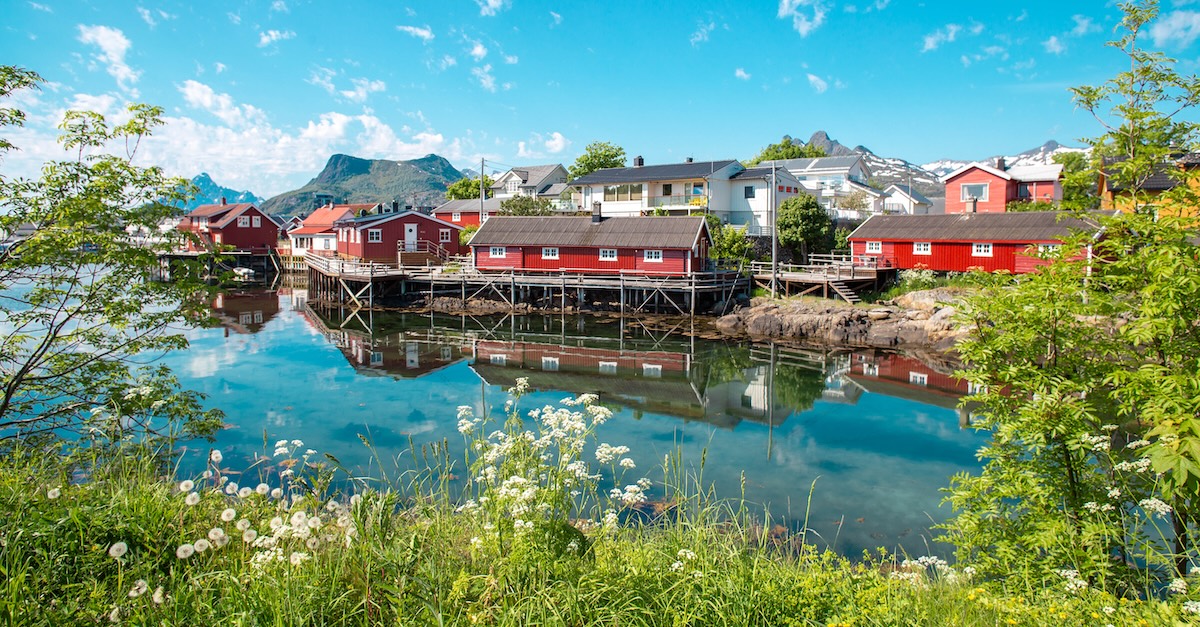
In a noteworthy trend, independent tour operators are observing a growing demand for travel to cooler destinations. This shift has been prompted by extreme weather conditions experienced in southern Europe, which have driven tourists to seek milder climates. As a result, regions such as Norway, Sweden, and Finland have seen increased interest from holidaymakers looking for nature-centric and active getaways.
Sunvil, a prominent name in the travel industry, has been at the forefront of this shift. According to their sales and marketing manager, Rachel Jelley, there has been a ‘real spike in sales for the Nordic region.’ This surge is attributed to travellers’ desire to avoid the high temperatures of Southern Europe, opting instead for the serene landscapes and cooler climates of the North. Sunvil has been offering summer trips to the Nordic region since 2007, and the current rise in demand is indicative of a broader trend towards alternative holiday destinations.
Further highlighting this trend is Best Served Scandinavia, a specialist operator that has reported increased interest in Scandinavian vacations. The company credits this not only to the desire for cooler climates but also the advantageous exchange rate, which has rendered Norway more accessible than ever before. This sentiment is echoed by Sue McAlinden, Best Served Scandinavia’s general manager, who notes that travel to the region is ‘more affordable than ever.’ Such economic factors play a crucial role in bolstering the attractiveness of these destinations.
Moreover, Regent Holidays, another leading operator, has noted a substantial 33% increase in inquiries and bookings for Norwegian holidays. Finland and the Baltic regions have similarly benefited, with travel numbers returning to pre-pandemic levels. Despite this encouraging data, some industry insiders remain cautious. According to The Advantage Travel Partnership, there is an absence of a clear shift among mainstream consumers looking for cooler destinations, with traditional favourites like Spain and Greece continuing to dominate bookings.
This discrepancy in preferences underscores the varying factors influencing travel decisions, with cost being a significant barrier for many. With the landscape of travel preferences evolving, the true test will be whether the trend towards cooler destinations can sustain its current momentum in the face of economic constraints and entrenched consumer habits.
The increase in demand for cooler destination holidays reflects a nuanced shift in traveller priorities, driven by climate concerns and economic factors, yet faces challenges from entrenched preferences for traditional hot spots.

