
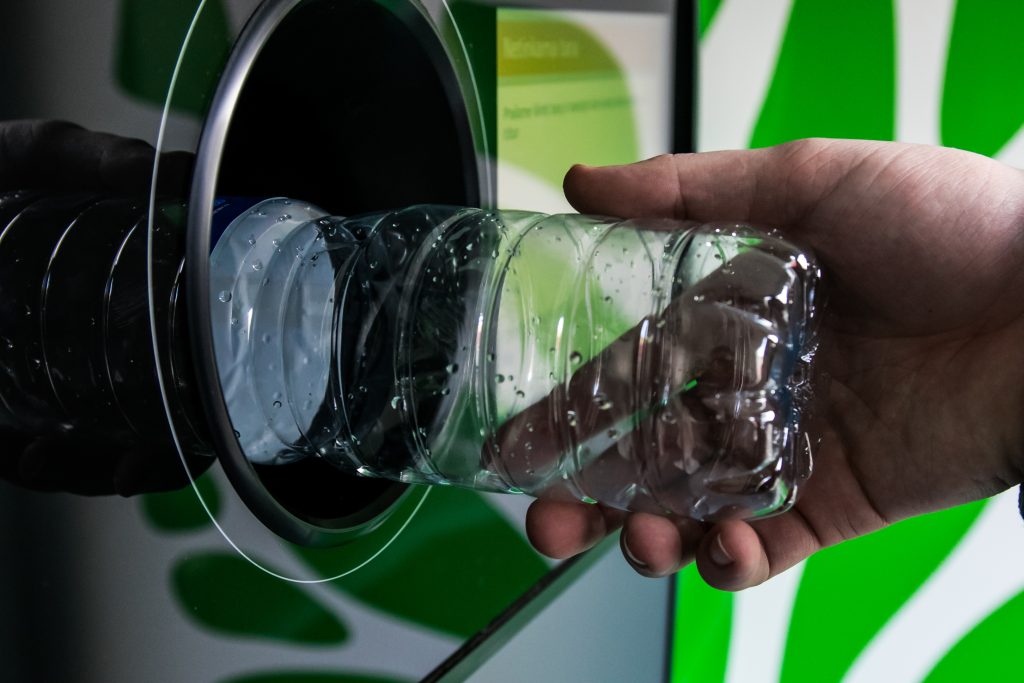

The UK government has announced yet another delay for the Deposit Return Scheme (DRS). Originally slated for October 2025, the initiative is now postponed until 2026. The delay has raised significant concerns among industry leaders, urging a reevaluation of the scheme’s feasibility and timeline.
Industry Challenges and Financial Implications
Supermarket executives have voiced serious concerns about the financial impact of the Deposit Return Scheme. Initially, the government estimated the cost at a manageable level for retailers. However, industry leaders now assert that implementing the DRS will amount to approximately £1.8 billion, significantly higher than earlier projections. This stark rise in projected costs calls for urgent reconsideration of the scheme’s current framework.
The Deposit Return Scheme proposes a 20p charge on drinks containers, refundable upon return. Although this aims to enhance recycling efforts and reduce waste, supermarket chains are sceptical about the scheme’s practicality within the present market structure. The concerns stem from potential logistical challenges and the significant financial burden it imposes, which could disrupt retail operations.
Government Discussions and Strategic Reevaluation
In recent high-level discussions, representatives from all UK governments and industry bodies debated the feasibility of the 2025 launch. The consensus to delay stems from a shared understanding of the immense logistical and infrastructure barriers that have yet to be addressed. Stakeholders acknowledge the necessity of strategic planning to ensure the scheme’s success.
An industry insider, speaking anonymously, revealed that even a 2026 launch might be overly optimistic unless critical actions are taken promptly. The source stressed the need for continued collaboration between the government and key stakeholders to align objectives and streamline implementation processes. Despite the uncertainties, there’s a concerted effort to carry the initiative forward.
Industry Voices Call for Pragmatic Solutions
The Association of Convenience Stores (ACS) has made a clear appeal for the government to reassess the DRS timeline. They argue that premature execution without fully resolving infrastructural demands could harm the industry and consumers.
James Lowman, CEO of ACS, emphasised the importance of detailed planning. He cautioned against deploying ‘half-baked policies’ that might adversely affect retailers and the broader supply chain. Maintaining environmental goals while preserving industry stability requires careful balancing of interests.
Lowman’s stance mirrors that of many who seek a sustainable yet realistic approach to implementing the scheme. To avoid jeopardising the initiative’s environmental aims, a thorough evaluation of current capabilities and future requirements is essential.
Implications for Scotland and Broader UK Alignment
The situation in Scotland serves as a critical example of the complexities in aligning regional and national policies. Scotland’s own DRS was initially delayed until October 2025 due to inadequate support from Westminster. This situation underscores the importance of unified backing across regions to ensure successful national implementation.
As the UK grapples with this challenge, establishing a cohesive strategy that meets the needs of different regions is pivotal. The delay further highlights the intricate balance required between localised needs and overarching national objectives.
The Path Forward for Sustainability Initiatives
While delays are frustrating, they present an opportunity to refine the approach towards sustainability in the UK. The postponement allows the government to reevaluate and optimise the DRS framework, ensuring that all essential components are meticulously planned and executed.
Moreover, this interim period is crucial for enhancing public awareness and readiness for the scheme. Both the industry and consumers must be adequately prepared to transition smoothly once the DRS is implemented.
The emphasis remains on developing robust systems that not only meet sustainability targets but also integrate seamlessly within existing infrastructures, ensuring minimal disruption while maximising environmental benefits.
Ministerial Views and Future Prospects
Government ministers have acknowledged the need for a strategic rethink of the DRS rollout. The delay affords the time necessary to consider expert input and refine policy details. This measured approach is crucial for gaining widespread industry and public support.
Despite the setbacks, there’s a positive outlook towards achieving long-term sustainability goals. Ministers are committed to addressing the concerns raised by industry leaders and refining the scheme to better meet practical demands.
Conclusion
In light of the challenges and criticisms, the delay until 2026 offers a critical window for recalibrating the Deposit Return Scheme. This time can be employed to ensure that both industry and environmental objectives are met successfully, ultimately paving the way for a more effective and sustainable future.
The postponement of the Deposit Return Scheme to 2026, while seen as a setback, is an opportunity for thorough planning. It is imperative to address current shortcomings to align with sustainability goals effectively. The scheme’s success relies on a strategic approach that encompasses infrastructure development and stakeholder cooperation, ensuring a balanced execution.

