
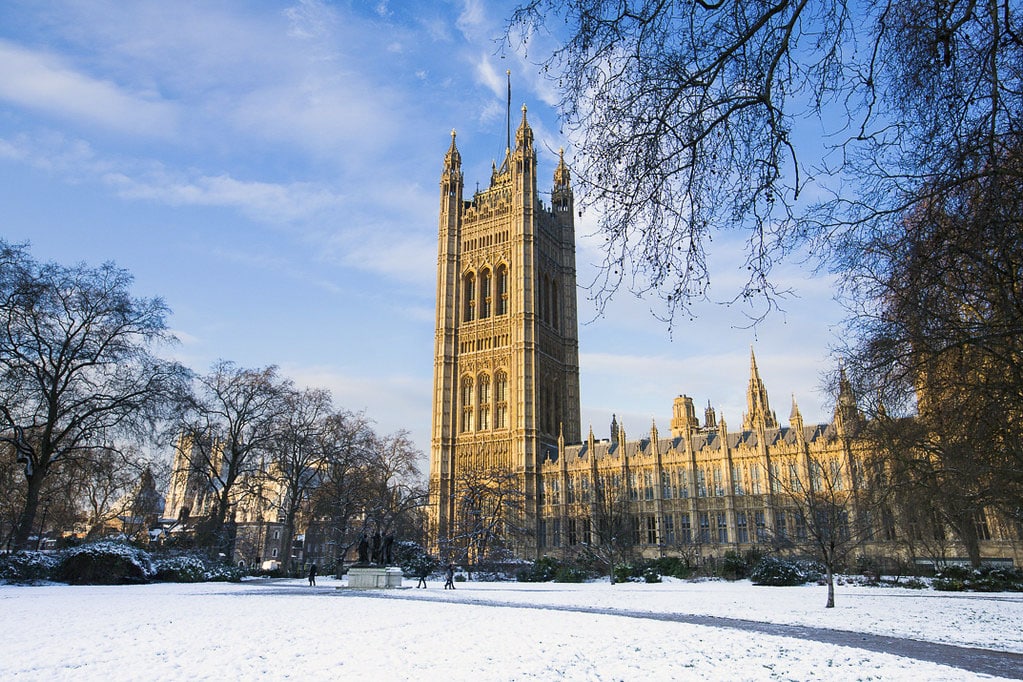

The refurbishment of Victoria Tower, the tallest structure in Parliament, is facing a significant delay.
- The delay results from a botched procurement process, affecting the initial timeline for repairs.
- A new tender process is set to restart following concerns over the fairness of the original procurement.
- The refurbishment was initially scheduled to begin this year, aimed at addressing structural deterioration.
- Concerns continue over the potential safety risks posed by the deteriorating condition of the tower.
The much-needed refurbishment of the Victoria Tower, an iconic part of the UK Parliament’s structure, has been delayed by a year due to a flawed tender process. This setback was revealed by Construction News, which noted that the procurement process had raised concerns about fairness and transparency.
In May of last year, the parliamentary authorities announced a £95 million tender intended to repair various parts of the tower, including its crumbling masonry and windows, the cast-iron roof, rainwater drainage, and the flagpole. However, it became necessary to restart the tender after issues were identified in the wording of the procurement documents. Sources close to the process indicated that these issues needed to be resolved to maintain a fair competitive environment.
A spokesperson for the UK Parliament confirmed that although preparatory work is expected to begin this summer, the main construction will not commence until 2025 due to these procedural complications. Initially, the contract was to be awarded by the end of 2023, with repair activities slated to begin this year and conclude by 2030. The revised tender will now launch later this year, replacing the scrapped one.
This disruption has caused consternation among the firms that had already invested significant resources in their bids under the original tender. The cessation of the process has left many of them frustrated, as they now face the prospect of reapplying.
Meg Hillier MP, chair of the Public Accounts Committee, expressed concern over the repeated procurement mishaps during the broader restoration of parliament. She remarked, ‘This is something that should have been caught earlier. We have seen stop and start and poor procurement quite a lot.’ She further highlighted the financial implications of the delays, noting that each postponement adds to the overall cost burden.
The Victoria Tower, towering at 99 metres, is suffering from exposure to adverse weather conditions, which continues to weaken its stonework. With the parliamentary estate’s safety at risk, the authorities remain vigilant. Last year, warnings were issued about the increased risk of catastrophic incidents if renovations were continuously delayed.
Despite these challenges, safety measures are currently in place to protect both the workers and visitors until the refurbishment commences. The restored tower will feature extensive scaffolding and the removal of the existing crash deck to facilitate comprehensive repairs.
The delay in repair work underscores ongoing challenges and raises critical concerns over effective project management in crucial restoration efforts.

