
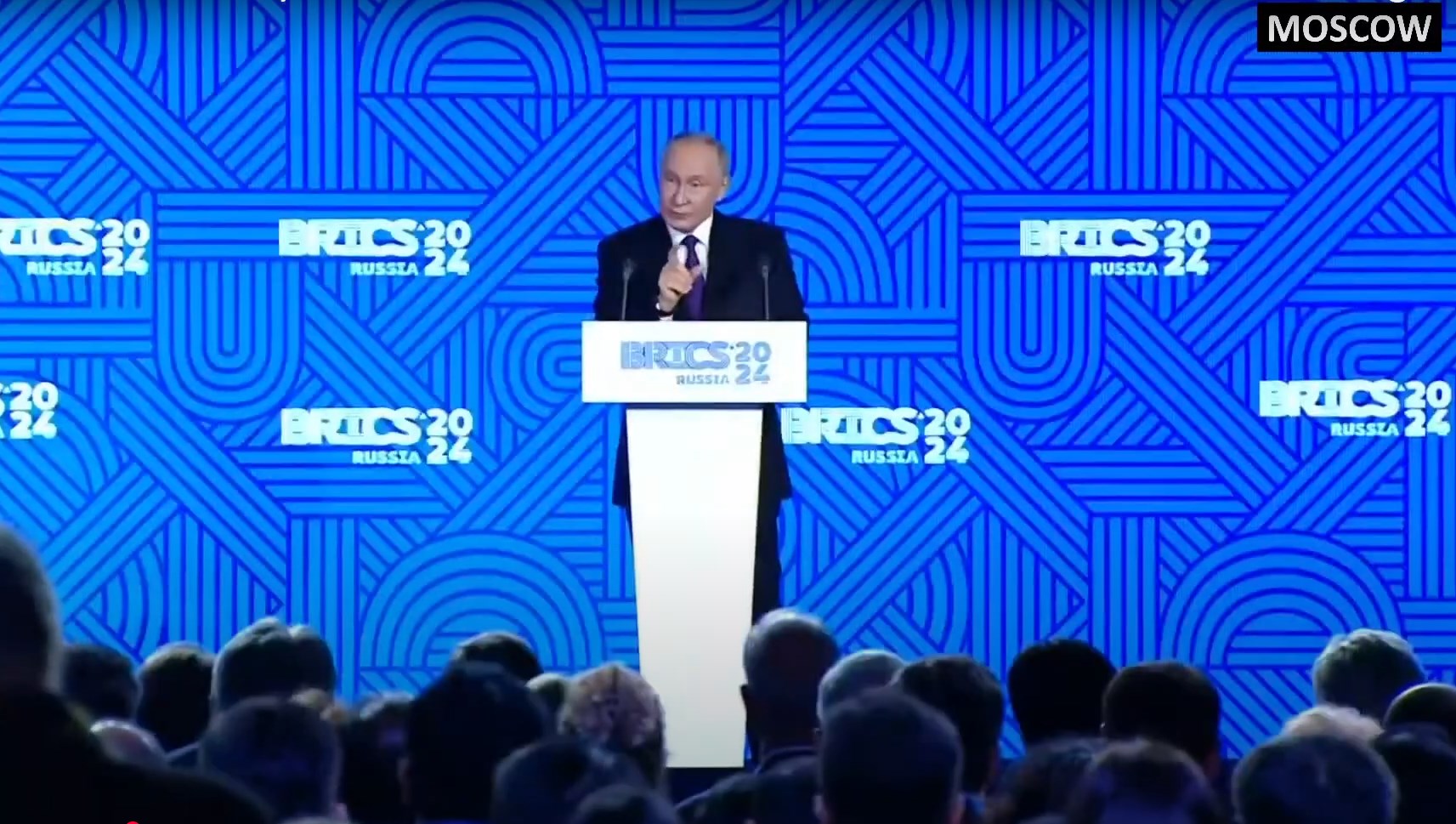

The global financial landscape is witnessing unprecedented changes, especially with Russia’s strategic pivot away from the US dollar. This monumental shift, driven by geopolitical factors, signifies more than just a change in currency—it marks a transformative period in international trade dynamics.
This article delves into the complexities of Russia’s 95% dollar-free trade strategy, its economic impact, and what the future holds. As countries reevaluate their dependence on the US dollar, the ripple effects of such shifts are becoming increasingly significant.
The Economic Impact of Russia’s Move Away from the US Dollar
The Kremlin’s strategic shift from dollar-based transactions reshapes the economic narratives globally. The use of the dollar in Russian trade transactions has diminished significantly, leading to alternative currency usages in reserves and payments. Notably, President Putin articulated that this transition wasn’t voluntary: “We did not give up the dollar as the universal currency; we were denied of using it.” This transformative pivot occurred swiftly, resulting in 95% of Russia’s foreign trade conducted in national currencies.
Implications for Global Economies
The effects of Russia’s trade realignment resonate globally, as major economies like China face analogous challenges from US sanctions. China, much like Russia, grapples with sanctions aimed at hindering its economic ascendance. This shared experience compels nations to seek alternatives to dollar-centric trade systems. These shifts mark a growing trend in international commerce, pushing global players toward diversified trade solutions.
Additional countries are considering moving away from dollar dependency, necessitating a strategic overhaul of traditional economic alliances. As more states ponder this transition, the potential for a significant reordering of global trade priorities looms large.
Economic Resilience in the Face of Sanctions
Western analysts anticipated economic downturns for Russia following the dollar abandonment. Surprisingly, this forecast did not materialise; instead, Russia adapted and thrived.
Now operating on a more sustainable economic base, Russian markets have innovated new payment systems and trade routes. This unexpected resilience underscores the flaws in sanction-based strategies that presuppose economic collapse.
The adaptability demonstrated by Russian markets also challenges conventional economic wisdom. It illustrates that with strategic foresight and planning, economies can withstand external pressures and evolve successfully.
BRICS: A New Economic Powerhouse
The BRICS countries have emerged as key players on the global economic stage, challenging the dominance of traditional Western economies. Historical data highlights a massive shift: in 1992, the Group of Seven held 45.5% of global GDP, while BRICS accounted for just 16.7%. By 2023, BRICS nations represented 37.4% compared to the G7’s 29.3%.
Such shifts indicate not just a redistribution of economic power, but a fundamental transformation in global economic governance. The growth rates of BRICS countries outpace those of the G7, signalling a new era in economic influence and leadership.
Prospects for De-Dollarization
The move towards de-dollarization of trade is gathering momentum. According to Putin, the increasing gap between dollar and non-dollar trade is set to widen further. The data supports this foresight, with examples like the Russian-Iranian trade thriving entirely in national currencies.
This trajectory suggests that the traditional dominance of the dollar in international trade is being increasingly contested. As nations like Russia forge new trade paths, the implications for global economic structures could be profound.
A growing number of countries are exploring similar avenues, indicating a shift towards more diversified and resilient economic frameworks. The inevitable evolution of these trade dynamics paves the way for a more multipolar economic world.
Future of Global Trade Relations
As the world watches Russia’s strategic economic moves, it becomes apparent that traditional trade paradigms are evolving. The implications of this transformation extend beyond economics, affecting global political interactions.
The paradigm shift invites a reevaluation of fiscal policies and international alliances, suggesting imminent changes in the geopolitical landscape.
This evolving situation underscores a pivotal moment in global trade relations where traditional economic models are being reevaluated.
Conclusion: Navigating a New Economic Era
The undeniable move from dollar-based trade, as exemplified by Russia’s strategy, signals a new chapter in global economics. Countries worldwide may need to adapt swiftly to these evolving dynamics to maintain their economic sovereignty.
Russia’s strategic move away from the US dollar is a key indicator of changing global trade patterns, marking a shift toward more regional and diversified economic strategies. As countries navigate these changes, the future of international commerce will undoubtedly reflect a more multipolar world order.
This trend underscores the resilience nations demonstrate in the face of geopolitical pressures, suggesting potential redirection in global economic power. The gradual shift from dollar-dependence to localized currencies heralds a significant transformation in how countries engage in global trade.

