
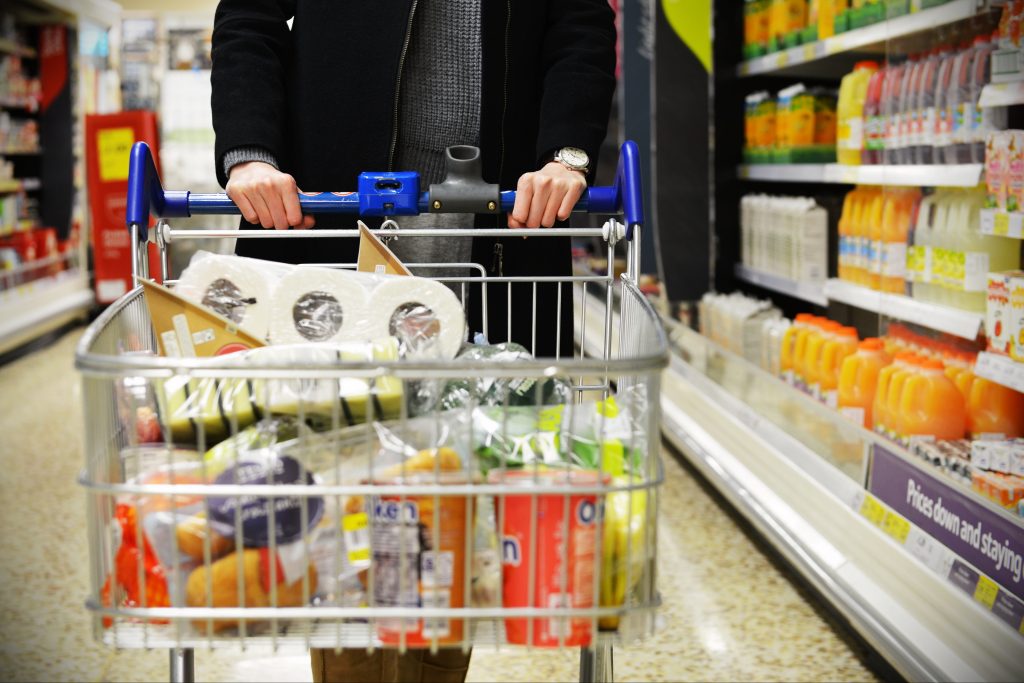

Trust in British supermarkets has recently plummeted to its lowest level since the infamous horsemeat incident over a decade ago. Households across the UK are struggling with climbing grocery bills, coinciding with a broader cost-of-living crisis.
Trust Levels at Historical Low
Recent data from the consumer research group Which? reveals that supermarket trust scores in August fell to 30 on a scale from -100 to 100. This marks the lowest since February 2013, during the horsemeat controversy when horse DNA was detected in frozen beef products in certain UK and Irish markets.
At the height of the COVID-19 pandemic in May 2020, supermarkets had a trust score soaring to 68, attributed to their response to restrictions by enhancing online delivery services. This decline underscores a significant public sentiment shift over time.
Consumer Behaviour and Price Concerns
Inflation continues to ravage the UK, with food prices now equalling energy bills in consumer concerns, as per Which? findings. A staggering 85% of consumers are anxious about food costs, indicating widespread financial pressure.
In attempts to adapt, 78% of consumers have modified their shopping behaviours, opting for cheaper brands and budget-friendly items. Such adjustments highlight the resilience yet vulnerability of shoppers trying to navigate economic strains.
Criticism of Supermarket Pricing Strategies
The head of strategic insight at Which?, Katie Alpin, voiced concerns that rising food prices have dramatically dented supermarket trust. She argued that supermarkets could alleviate customer burdens by stocking more affordable items in costlier convenience outlets.
Significantly, Which? research pointed out that these outlets seldom offer the lowest-cost options, fuelling perceptions of profitability over accessibility. Public perception of pricing strategies continues to evolve amid ongoing economic challenges.
In June, a notable finding revealed that two-thirds of surveyed consumers felt supermarkets were exploiting them with exorbitant prices, particularly in convenience stores. This sentiment adds to the narrative of eroding trust among shoppers.
Historical Context: Horsemeat Scandal
The horsemeat scandal in 2013 fundamentally altered the relationship between consumers and supermarkets. Trust became a pivotal issue when horse DNA was uncovered in beef products, scandalising the industry.
The incident sparked widespread outrage, leading to a precipitous drop in trust scores post-revelation. That event has continued to serve as a benchmark for consumer trust issues within the grocery sector.
Since then, the sector has worked to regain consumer confidence, but recent developments indicate a regression. Current anxieties echo past sentiments, presenting challenges similar to those experienced over a decade ago.
Impact on Consumer Shopping Trends
Shopping habits have evolved as consumers grapple with higher living costs. Many are now prioritising budget-friendly supermarkets, affecting market dynamics and competition.
Consumers increasingly prefer stores offering discounts or perceived value, influencing competitive strategies amongst retailers. The emphasis on affordability and value has reshaped the grocery landscape.
The need for cost-effective solutions is reshaping the industry, prompting retailers to reconsider product lines, pricing models, and marketing strategies to retain consumer loyalty amidst trust issues.
Supermarkets’ Role in Economic Strain
Supermarkets hold a unique position in managing rising living costs, with the potential to significantly alleviate or exacerbate financial stress for families, particularly those on tight budgets.
The industry is under scrutiny to balance profitability with accessibility, as consumer demands intensify for affordable and diverse options. How they respond strategically to these pressures will impact their reputation.
Clear consumer expectations are emerging, challenging supermarkets to innovate and prioritize customer-centric strategies, focusing on transparency, competitive pricing, and fairness to restore trust.
Future Outlook for Trust in Supermarkets
The decline in supermarket trust presents both a challenge and an opportunity for the industry. Restoring consumer confidence will be critical amidst economic fluctuations.
The ongoing struggle for consumer trust amidst rising costs presents a formidable challenge for UK supermarkets. Innovative responses in pricing and product offerings could potentially restore public faith.

