

The ongoing postponements of the Lower Thames Crossing decision have sparked significant industry concerns.
- The RHA stresses the critical economic benefits hinging on the £9bn project connecting Kent and Essex.
- The Transport Secretary’s delay extends the decision to October, raising operational alarms.
- Key stakeholders, including Logistics UK, express deep frustration over infrastructure development delays.
- Industry leaders press the government for an urgent decision to support future transport demands.
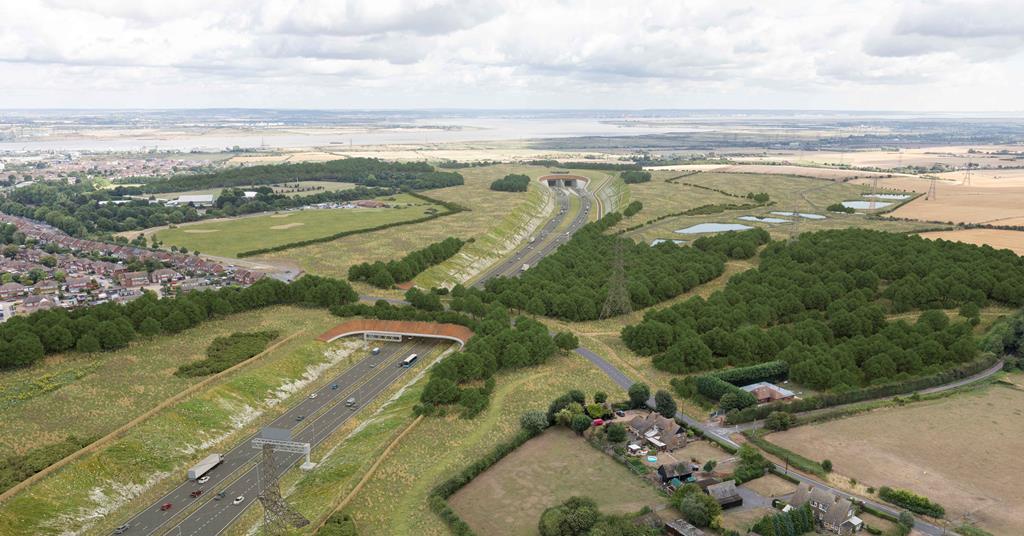
The repeated delays in the decision-making process for the Lower Thames Crossing have become a focal point of contention within the transport industry. The Road Haulage Association (RHA) has strongly urged the government to push forward with the £9 billion infrastructure project intended to connect Kent and Essex with a new 14-mile route. This development includes a 2.6-mile underground section beneath the Thames, promising to unlock substantial economic advantages.
The extension of the decision deadline from 20 June to 4 October by the Transport Secretary, prompted by the general election, has not been met without criticism. Transport Secretary Mark Harper justified the extension by highlighting the necessity for any new Secretary of State to have adequate time to review the project’s applications thoroughly. However, Harper assured efforts would be made to issue decisions ahead of the deadline wherever feasible.
This planned infrastructure is designed to integrate into the existing road network seamlessly, linking the A2/M2 to the M25 via two separate tunnels for southbound and northbound traffic under the Thames. Richard Smith, the Managing Director of RHA, has asserted that the crossing would notably enhance journey reliability times for HGVs and bolster the UK’s heavy commercial fleet operations. “To keep the economy moving and competitive, our members and the industry need infrastructure which is fit for purpose,” Smith emphasised, underscoring the necessity for a robust nationwide network.
Amidst these developments, substantial discontent has been voiced by stakeholders like Logistics UK. The organisation labelled the continued deferrals as “deeply concerning,” reflecting a broader sentiment of urgency within the sector. Calls for the government to greenlight the project have intensified, with emphasis on securing a transport infrastructure capable of meeting burgeoning future demands across the country.
The imperative need for the government to advance the Lower Thames Crossing project is underscored by mounting industry urgency.

