
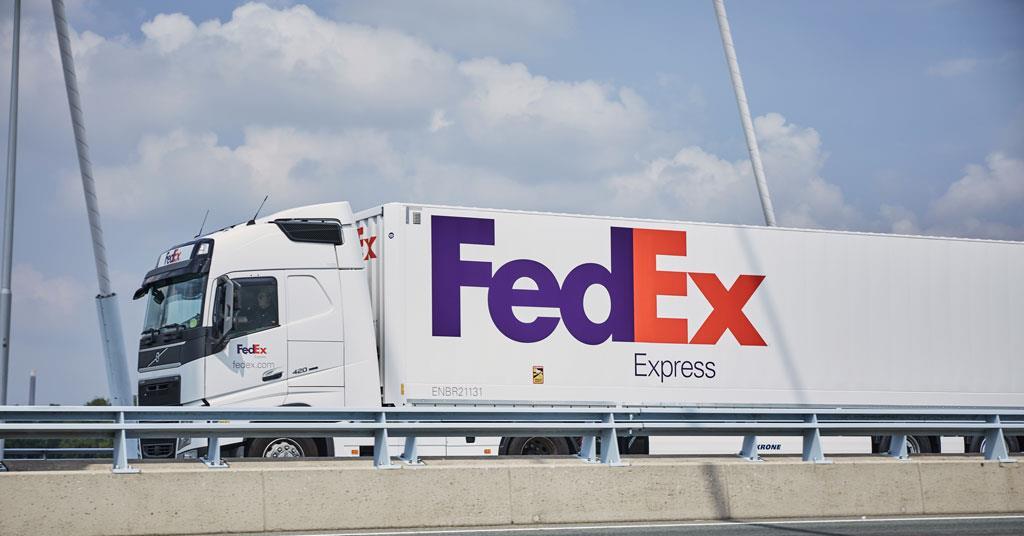

FedEx Express Europe has undergone significant developments following its acquisition of TNT, which has bolstered its operational scale and reach across Europe.
- The newly integrated network features 5,400 vehicles and facilitates 50,000 weekly international movements, reinforcing FedEx’s position as a top-tier player in Europe.
- Recent economic uncertainties heighten the importance of FedEx’s flexible transport solutions, with a notable shift towards road networks for cost-effective shipping.
- FedEx has invested in advanced European hubs, such as those in Duiven and Novara, increasing capacity and improving technological capabilities.
- Decarbonisation efforts include trials of renewable diesel and hydrogen-powered vehicles, showcasing FedEx’s commitment to sustainable logistics solutions.
FedEx Express Europe has significantly evolved its operations and network following the strategic acquisition of TNT, which has substantially increased FedEx’s competitive edge within the European logistics sector. The integration has facilitated the creation of an expansive road network that spans 45 countries and boasts more than 5,400 FedEx-owned vehicles. This logistical framework supports over 50,000 weekly international linehaul movements across 28 road hubs, allowing FedEx to serve as a critical conduit for global and European commerce. Gussinklo highlighted that this integration provides customers with a seamless interface for the shipment of both parcels and freight.
As Europe faces predicted economic challenges through 2024, FedEx’s road network plays a pivotal role in offering businesses dependable transport solutions at various price points. This is especially pertinent for customers prioritising economical shipping over speed, choosing road transport for its competitive transit times and the ability to handle different shipping needs. Gussinklo noted the increased importance of adaptable networks in the current economy, ensuring the reliable movement of goods across regions.
Substantial investments have been made in FedEx’s European hubs, particularly in Duiven and Novara, strengthening the company’s infrastructure with enhanced capacity and state-of-the-art technological capabilities. These developments have resulted in the Duiven hub being able to process over 200,000 parcels per day, while the Novara facility features advanced systems capable of handling varied freight and parcel requirements. Importantly, these hubs not only optimise FedEx’s operations but also contribute significantly to regional economic growth and employment.
Amidst growing environmental concerns, FedEx has embarked on an ambitious decarbonisation journey, implementing renewable diesel and hydrogen technology as interim solutions to reduce the carbon footprint of its linehaul operations. Trials have been initiated in the UK and the Netherlands, with Gussinklo expressing optimism about the potential of these technologies to contribute to a more sustainable logistics model. Nevertheless, he acknowledged the complexities of achieving full decarbonisation, necessitating collaboration with governments and industry stakeholders.
FedEx remains committed to modernising its fleet and enhancing operational efficiencies through innovative technologies such as predictive analytics. The implementation of solar-powered GPS devices exemplifies this initiative, allowing for optimised planning and security of shipments. Data integration further enhances the functionality of FedEx’s network, enabling superior resource management and anticipation of logistics requirements. These efforts are aimed at solidifying FedEx’s position in the evolving logistics landscape, ensuring resilience and adaptability for future challenges.
FedEx Express Europe’s strategic investments and sustainable innovations underscore its commitment to maintaining a robust, adaptable logistics network across Europe.

