
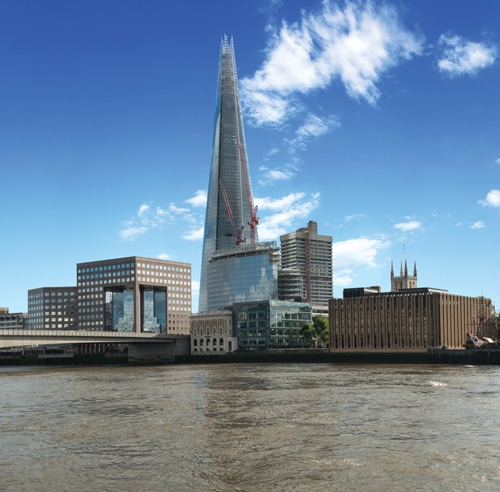

The global conversation on urban development is increasingly focused on building reuse rather than new construction.
- Experts at the CTBUH 2024 conference in London highlighted the environmental and social benefits of retrofitting buildings.
- Adaptive reuse was presented as a solution to climate change challenges, emphasizing its potential for urban revitalisation.
- The conference showcased international examples, including Australia’s innovative approaches and the US’s adaptive reuse strategies.
- Speakers underscored the labour challenges, advocating for increased workforce diversity to meet future demands.
The recent Council on Tall Buildings and Urban Habitat conference, held at The Barbican Centre, brought together global construction professionals to deliberate on a pressing issue: should the focus shift from constructing new buildings to renewing existing ones? The discussions, under the theme ‘New or Renew: Addressing the Density Dilemma’, explored urban density, carbon emission reduction strategies, and energy consumption challenges, highlighting the transformative potential of both new and renewed buildings.
A significant thread running through the conference was the emphasis on adaptive reuse. Attendees debated the environmental and social imperatives that necessitate a move towards renewing existing structures. Retrofitting was heralded as the most direct method to curb carbon emissions. A panellist remarked on the moral duty to adapt vacant B-grade office spaces, turning them into lively, sustainable areas to tackle housing shortages and promote social equity, thus rejuvenating urban spaces.
Australia’s contributions served as a prominent example. Mike George of JLL articulated the balance required between maintaining asset viability and preserving architectural heritage. Australian cities are at the forefront, blending Brutalist concrete structures with new timber additions. Such projects are not merely about conserving heritage but adapting to a low-carbon future. Sydney’s Atlassian Central exemplifies this, marrying architectural innovation with sustainability goals.
In the US, the adaptive reuse narrative is gaining ground as a sustainability strategy. The Empire State Building’s decarbonisation model underscores how iconic structures can evolve without losing their essence. Experts highlighted comprehensive processes involving business case development and ongoing sustainability measures. Gensler’s Ashley Rogow stressed that preserving and adapting existing architecture is crucial for future sustainability, intertwining restoration with heritage preservation.
Labour shortages in the construction industry came to the fore as a significant challenge to advancing adaptive reuse. Turner Construction’s Fuquan Collins emphasised workforce development to diversify and expand the industry talent pool. Programmes promoting diversity are crucial, as exemplified by Turner Construction’s initiatives to engage underrepresented groups through training and career opportunities, thereby preparing a skilled and varied workforce for future demands.
The UK showcased successful building renewals, with projects like Angel Court and New City College, demonstrating how existing structures can be revitalised to meet contemporary needs while embracing sustainability. These projects illustrate the economic and environmental benefits of adapting older buildings. By retaining substantial portions of original structures, architects achieve significant environmental savings, contributing positively to urban regeneration.
In conclusion, the CTBUH 2024 conference made clear that the future of urban development lies in the thoughtful renewal of existing structures, which balances environmental responsibility with urban needs.
The renewal of existing structures, rather than new construction, offers a sustainable urban development path.

