
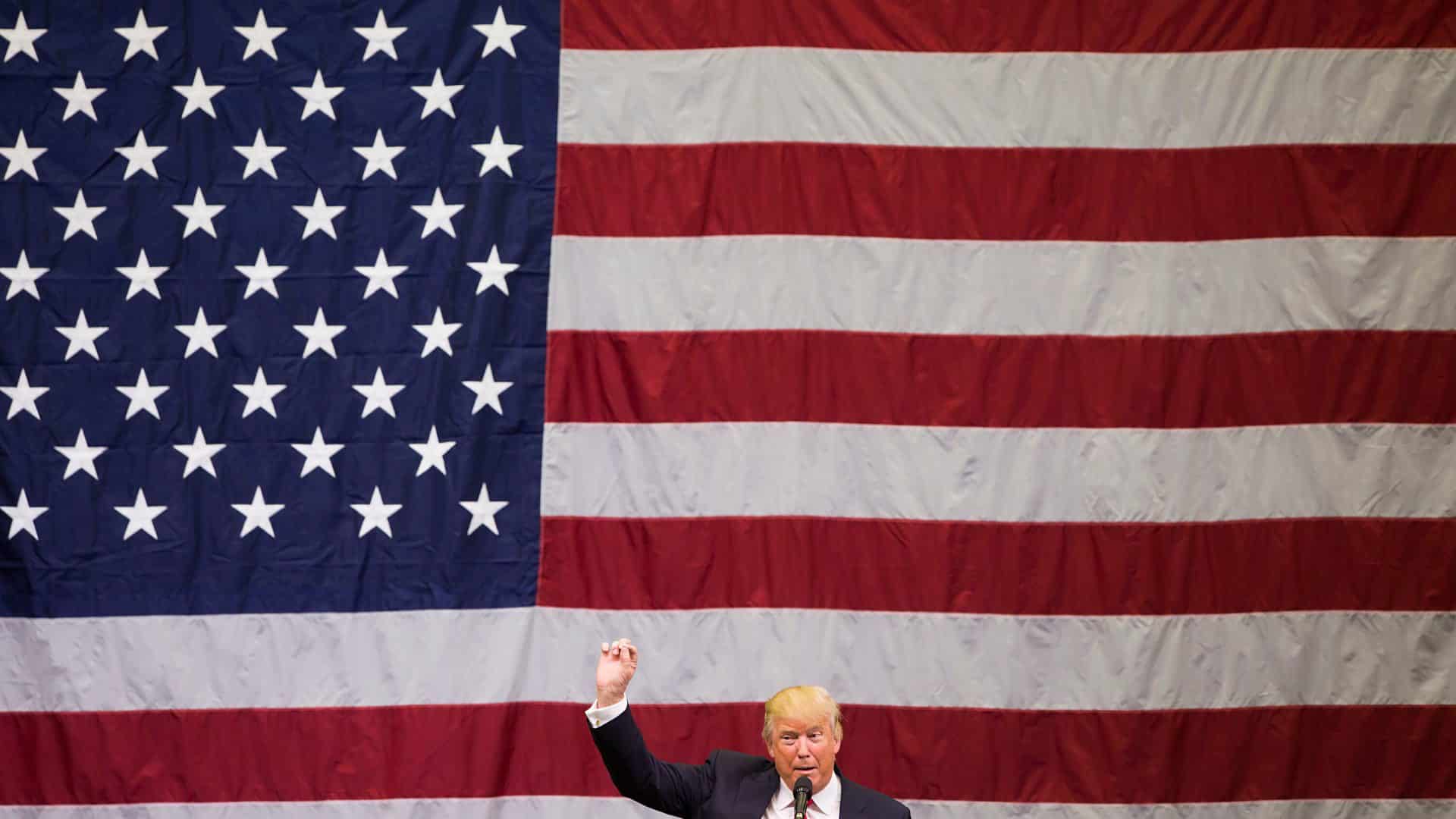

Donald Trump has recently taken a strong stand against de-dollarization, a process where nations reduce their reliance on the US dollar.
In the midst of mounting pressure from countries shifting away from the dollar, Trump is strategising to protect America’s economic interests.
The Global Shift Away from the Dollar
The global financial landscape is witnessing a significant shift as various countries, primarily the BRICS nations – Brazil, Russia, India, China, and South Africa – move towards reducing their dependence on the US dollar. This collective move is driven largely by political motives and the desire for economic independence. The de-dollarization trend is gaining momentum, potentially reshaping international trade dynamics.
Trump’s Robust Defence of the US Dollar
Amidst the backdrop of the upcoming US presidential elections, Donald Trump has emerged as a vocal critic of de-dollarization. Speaking at a campaign rally in Wisconsin, Trump expressed his disapproval of nations moving off the dollar, asserting that such a move would not be tolerated under his leadership. His proposed solution is firm: impose heavy tariffs on countries that opt out of using the dollar.
Trump’s rhetoric reflects a protectionist stance, aiming to safeguard the US economic dominance that has historically been reinforced by the dollar’s global supremacy.
[twitter-embed-display twitter_url=’https://twitter.com/BenjaminNorton/status/1834916602044989757′]
Economic Sanctions: A Catalyst for Change
Economic sanctions imposed mainly by the United States have been a significant factor fuelling the drive for de-dollarization. Russia, having faced severe sanctions since the Ukraine crisis, has actively sought alternative trading channels. This has inspired other nations to consider similar pathways, reducing their vulnerability to US economic pressures.
The rise of new trade alliances that circumvent the dollar reveals a distinct shift in global economic power structures. As countries explore these new economic partnerships, the traditional dominance of the dollar faces unprecedented challenges.
The response from the US to these developments could dictate future international economic relations. How effectively America navigates this changing landscape will likely determine the dollar’s fate on the global stage.
Potential Impacts on the US Economy
Should de-dollarization continue to gain traction, there are potential risks and consequences for the US economy. The loss of the dollar’s centrality in global trade could lead to reduced economic influence and financial instability at home. Trump’s strategy to counter this involves utilising economic levers such as tariffs to dissuade countries from abandoning the dollar.
These aggressive measures highlight the ongoing struggle to maintain the dollar’s central role in international finance. Whether these efforts will succeed remains to be seen, but the implications of failure could be significant.
BRICS and the Challenge to US Monetary Policy
The BRICS nations are at the forefront of the de-dollarization movement, presenting a formidable challenge to US monetary policy. As these countries strive for a more balanced global financial system, they are increasingly conducting trade in their local currencies, bypassing the dollar.
The effectiveness of this strategy is yet to be fully realised, but there is no doubt that it poses a serious question to the long-standing economic hegemony of the United States. Trump’s focus is on containing this shift to preserve US economic interests.
The adaptability of US policies to these emerging challenges will be crucial in determining the resilience of American economic influence.
Trump’s Proposed Tariffs: A Double-Edged Sword
Trump’s proposal to impose 100% tariffs on nations that abandon the dollar, while aimed at deterring de-dollarization, comes with its own set of risks. Such tariffs could strain international relations and potentially lead to retaliatory measures from affected countries. The effectiveness of this approach in preventing de-dollarization remains debated among economists.
The risk of igniting trade wars cannot be overlooked. As the global economy is increasingly interconnected, the impact of such unilateral measures could have far-reaching implications beyond immediate economic concerns.
Conclusion: The Path Forward for the US Dollar
In conclusion, Donald Trump’s strategies underscore the challenges the US faces in confronting de-dollarization. Maintaining the dollar’s position in global finance is crucial, yet the methods employed must balance firmness with diplomacy. The world watches closely as this economic narrative unfolds.
In summary, the ongoing efforts to combat de-dollarization highlight the complex interplay of economic and political forces at work.
As countries continue to diversify their economic alliances, the resilience of the US dollar remains under scrutiny. The strategies employed will shape the future landscape of international finance.

