
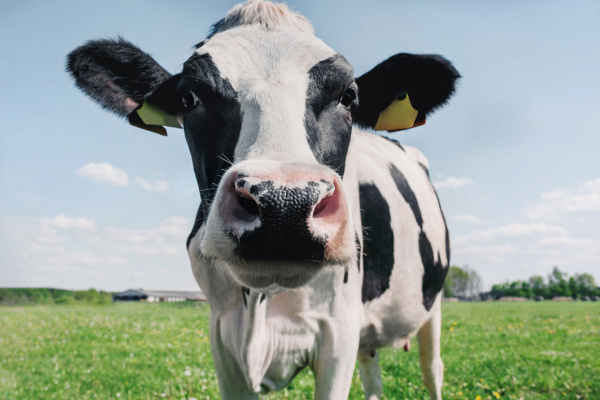

The British dairy sector is confronting unprecedented challenges as a recent survey reveals that 9% of farmers may cease milk production in the coming two years.
This alarming trend underscores significant economic pressures within the industry, exacerbated by rising costs and regulatory demands, prompting further scrutiny and remedial strategies.
Economic Pressures Mount on Dairy Farms
The British dairy industry’s plight is largely attributed to escalating costs. According to the National Farmers Union survey, almost 84% of farmers voiced concerns over increasing feed expenses, closely followed by 83% citing soaring energy prices as a pressing issue. Such financial strains are forcing farmers to reassess their operational viability, making the future uncertain.
Additionally, the looming impact of government regulations has been highlighted by 87% of farmers, further compounding the economic difficulties faced. The need for costly upgrades, particularly in areas like slurry storage to meet environmental compliance, deters further investment in production expansion.
Survey Findings and Farmer Sentiments
Between 5 and 30 July, the NFU conducted research amidst persistent turmoil in the sector. The findings reveal stark realities: 9% of farmers are likely to exit production, while an additional 23% remain uncertain about their continuation.
This uncertainty reflects broader apprehensions over the industry’s future, pointing towards a potential contraction in domestic milk supply, unless remedial actions are taken urgently.
Industry Leaders’ Call for Action
NFU dairy board chair Michael Oakes has emphasised the need for resilient supply chains amidst ongoing inflationary challenges. He asserts that current pricing often falls below production costs, threatening the sector’s sustainability.
Oakes advocates for new regulations designed to foster fairer and more accountable supply chains. He warns, however, that regulations alone cannot solve all issues. Addressing such systemic challenges requires comprehensive industry collaboration and governmental support.
Oakes remains optimistic about increasing global demand, viewing it as a beacon of hope. However, he stresses that appropriate regulatory and trade frameworks are crucial in capitalising on these opportunities.
The Challenges of Compliance and Investment
One of the most significant deterrents to continued production is the substantial investment needed for compliance with environmental regulations. The costs associated with enhancing infrastructure, such as slurry storage facilities, are beyond the reach for many farmers.
This financial burden is a decisive factor in many farmers’ considerations to cease production altogether. Without adequate support or incentives, maintaining current operational levels, let alone expansion, becomes an arduous task.
Prospects for the Dairy Sector’s Future
Despite the challenges, industry leaders remain hopeful about the long-term prospects for British dairy. The global demand for dairy products is rising, offering opportunities for growth beyond domestic constraints.
To harness this potential, it is imperative for the industry and government to work collaboratively, ensuring conducive trade and regulatory environments. Such frameworks must support the production of premium, sustainable dairy products.
The Importance of Supply Chain Resilience
A robust and collaborative supply chain is critical in weathering the fluctuation of market pressures and regulatory changes. The NFU stresses the significance of necessary investments to achieve this.
The industry faces a pivotal moment where resilience can only be achieved through a collective commitment to innovation and sustainable practices.
While new regulations hold promise, they must be part of a broader strategy involving all sector stakeholders. Only then can the dairy industry navigate through these turbulent times effectively.
Conclusion and Outlook
The British dairy industry stands at a crossroads marked by both significant challenges and potential opportunities. The next few years will be decisive, determining whether the sector can adapt and thrive amidst the pressures.
Collaborative efforts between industry players and government bodies will play a vital role in shaping a sustainable future for dairy production in the UK.
The future of the British dairy industry hinges on adaptability and collective effort. Immediate actions to alleviate financial burdens and strategic planning for sustainable growth are imperative.
With global demand on the rise, embracing these challenges with a proactive stance could ensure the industry’s resilience and sustainability for generations to come.

