
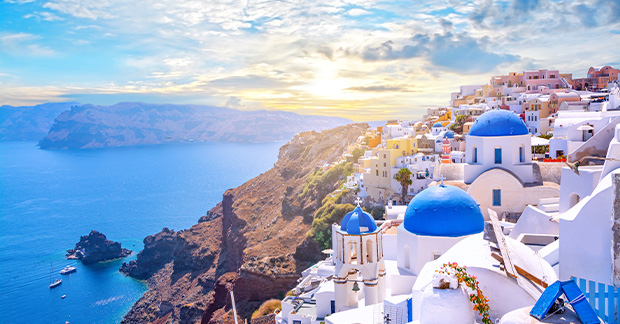

A proposed €20 levy on cruise ship passengers aims to address overtourism in Greece’s beloved islands, particularly Santorini and Mykonos. The initiative is part of a broader strategy to manage tourism’s impact on local communities and the environment. Prime Minister Mitsotakis emphasises that the issue is not widespread across Greece, but concentrated during certain peak periods. This proposal aligns with global trends as other cities like Venice and Amsterdam implement similar measures. Greece’s tourism sector remains a significant revenue source, contributing €20 billion last year.
The Greek government is considering a €20 levy on cruise ship passengers visiting its most popular islands during peak summer periods, specifically targeting Santorini and Mykonos. This initiative is aimed at addressing the overtourism that these destinations face, with Prime Minister Kyriakos Mitsotakis noting that while Greece does not have an overarching overtourism issue, specific destinations experience significant pressure during certain times of the year. This levy is part of a larger set of interventions that the government is planning to implement.
In addition to the proposed levy, the government plans to regulate the number of cruise ships that can visit these islands at the same time. This regulation is designed to alleviate the burden on local infrastructure and resources that is exacerbated during peak tourist seasons. By managing the influx of tourists, Greece aims to preserve the environmental and cultural integrity of these beloved destinations.
Furthermore, there is a consideration to increase taxes on short-term rental properties and to halt the issuance of new licenses in central Athens. This measure intends to boost the availability of housing for permanent residents, addressing another dimension of the tourist impact on local communities.
The proposed measures in Greece are reflective of similar strategies being adopted globally. Venice has already imposed a €5 tax on day visitors following the exclusion of large cruise ships from its central waterways. Amsterdam, planning to relocate its cruise terminal away from the city centre and reducing annual cruise calls, further exemplifies this trend. These actions are part of a broader movement to manage tourist numbers more effectively and sustainably.
Greece’s tourism industry is a crucial component of its economy, having generated €20 billion in revenue from nearly 31 million visitors last year. The proposed levy and other regulatory measures highlight the Greek government’s commitment to balancing economic benefits with the sustainability of local communities and the preservation of its natural and cultural heritage.
These measures exemplify a strategic approach to managing tourism sustainably, reflecting Greece’s commitment to preserving its cultural and environmental assets.

