
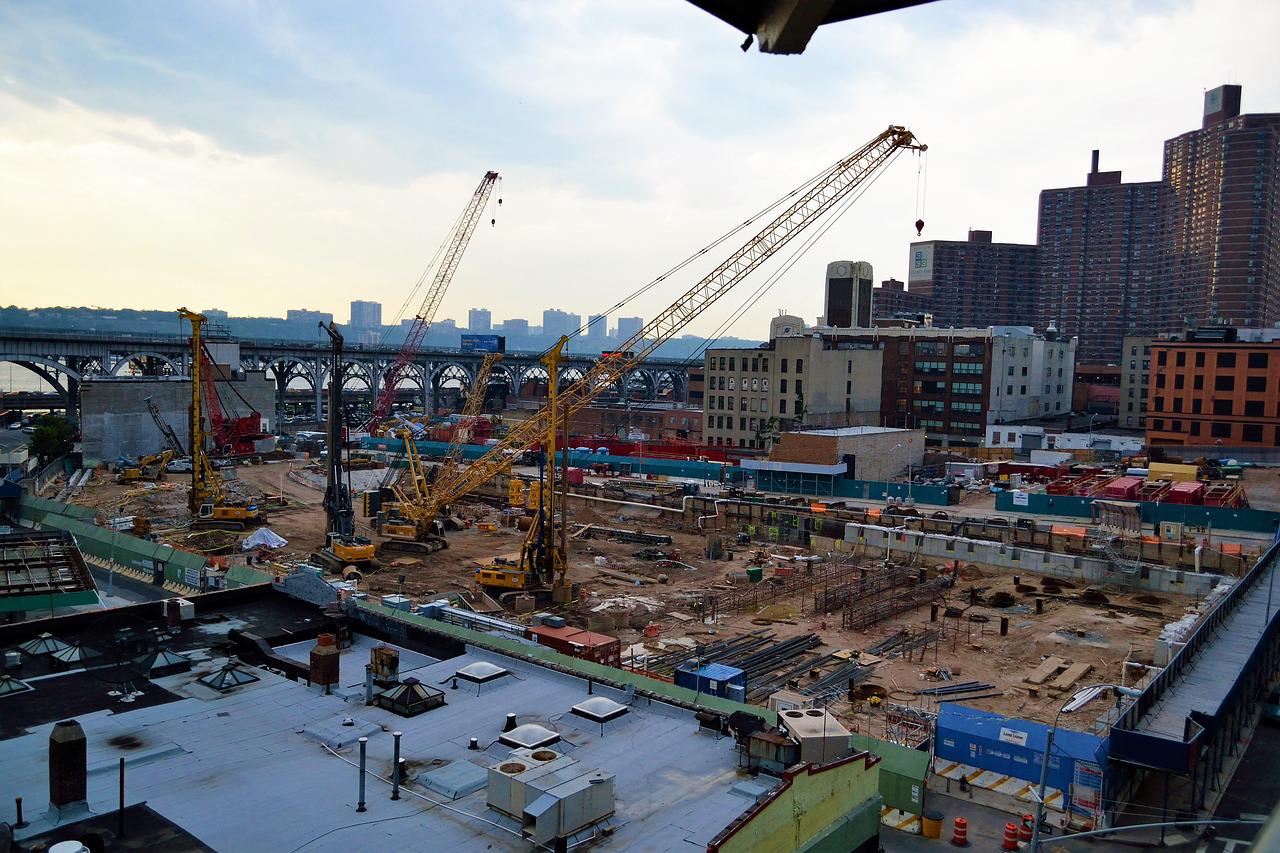

The construction industry bears inherent risks, making compliance with health and safety regulations indispensable.
- Key legislations like the Health and Safety at Work Act and the Building Safety Act 2022 form the cornerstone of safety protocols.
- Health and safety breaches result in severe consequences, including injuries and fatalities.
- Proper use of signage and Personal Protective Equipment (PPE) is vital to protecting workers.
- Regular maintenance and training significantly enhance safety and efficiency on construction sites.
The construction industry is notoriously known for its high-risk environment, necessitating strict adherence to health and safety regulations. Among these, the Health and Safety at Work Act and the Building Safety Act 2022 play pivotal roles in safeguarding workers. These acts are designed to protect individuals from harm, ensuring that safety measures are robustly implemented.
Statistically, the construction sector accounts for a disproportionately high number of fatal injuries. Workers are frequently exposed to hazards such as falls from heights, falling objects, and potential electrocution. Failing to adhere to set regulations often leads to serious injuries, amputations, or even loss of life. Compliance is therefore not just a legal obligation but a moral imperative as well.
Integral to construction site safety is the use of correct signage. Signage serves as a critical communication tool, alerting workers to potential hazards, such as areas requiring PPE use or precautions against falling debris. It is essential for every hazardous zone to be clearly marked with appropriate warnings.
Personal Protective Equipment, or PPE, is an indispensable component of worker safety. Construction workers must be equipped with items such as safety goggles, hard hats, and gloves to shield against dangers like harmful chemicals or flying debris. The provision of comprehensive PPE is fundamental to minimising risks associated with construction activities.
Regular maintenance of equipment is equally crucial in accident prevention. Faulty or outdated machinery poses significant safety threats, making routine inspections and timely repairs vital. Proper upkeep not only enhances protection against accidents but also optimises operational efficiency and productivity.
The construction industry must prioritise rigorous training programmes to educate workers on safety practices. These programmes are essential for reinforcing the importance of health and safety compliance, ultimately leading to a reduction in workplace incidents.
In the construction industry, unwavering compliance with health and safety regulations is non-negotiable for mitigating risks and safeguarding lives.

