
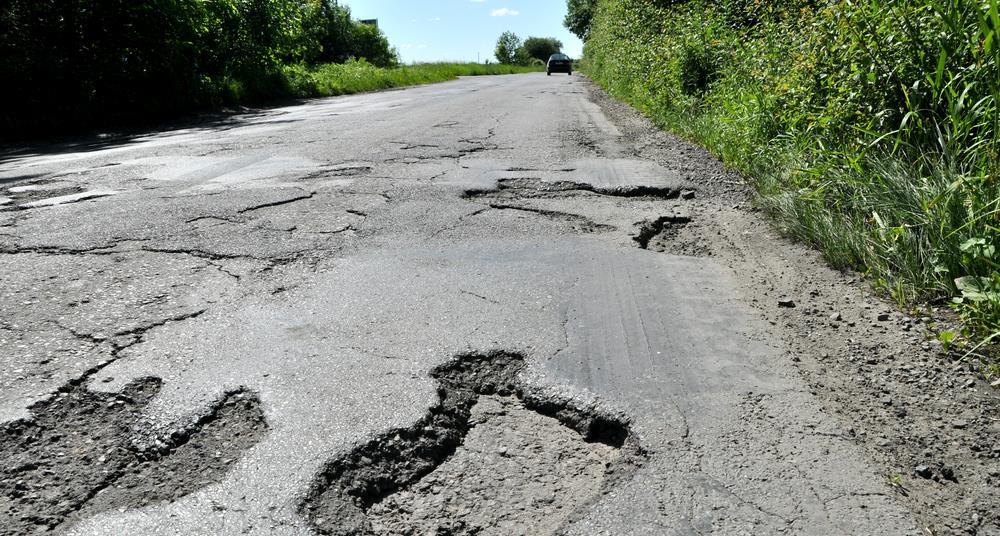

Local authorities in England are setting definitive plans for road repairs using reallocated HS2 funds.
- The Department for Transport has mandated councils to outline two-year road resurfacing strategies, ensuring accountability and financial transparency.
- £150 million has already been distributed to initiate repairs, with additional funds to be provided later this year.
- Regions like the West and East Midlands are prioritising extensive road area improvements.
- Public scrutiny of these plans is encouraged, with non-compliant councils facing potential funding withdrawals.
The government has reallocated HS2 funds to address the persistent issue of potholes across England. In response, a majority of local councils have developed specific plans to repair roads within their jurisdictions, using the first instalment of £8.3 billion. This financial move by the Department for Transport (DfT) requires councils to strategise a detailed two-year plan for road resurfacing, ensuring the allocated money directly targets pothole repairs.
To kickstart these initiatives, councils have already been allocated £150 million, with another £150 million scheduled for release within the current financial cycle. This proactive financial distribution underscores the government’s commitment to improving road quality and ensuring a transparent use of taxpayer money. By obligating councils to publish these plans, the government aims to foster accountability and enable residents, businesses, and stakeholders to review the intended road improvements.
Significantly, the initiative targets regions demanding urgent intervention, with the West Midlands planning to refurbish 600,000 square metres and the East Midlands setting a goal of 350,000 square metres of road repairs. Noteworthy areas identified for immediate attention include the A43 at Towcester, the A164 between Beverley and Hessle in East Yorkshire, and the A4146 at Leighton Buzzard. These highlighted projects represent the government’s intention to address both urban and rural road challenges.
Transport Secretary Mark Harper emphasised the unprecedented nature of this funding and its potential to transform local road conditions. He highlighted the importance of local residents being able to hold their councils accountable by accessing and scrutinising these plans. This openness is intended to extend the benefits of this financial injection well into the future, aiming to stabilise and enhance overall road conditions across the nation.
However, voices like Jonathan Walker from Logistics UK call for a broader perspective, advocating for a sustainable, long-term funding strategy that moves beyond fragmented allocations. Walker argues that systematic maintenance programmes are essential to support the nation’s logistics and supply chain demands effectively. Such an approach would alleviate the stop-start funding cycles that can disrupt essential transport networks.
The reallocation of funds marks a significant step forward in tackling England’s pothole problem, though long-term strategies remain crucial.

