
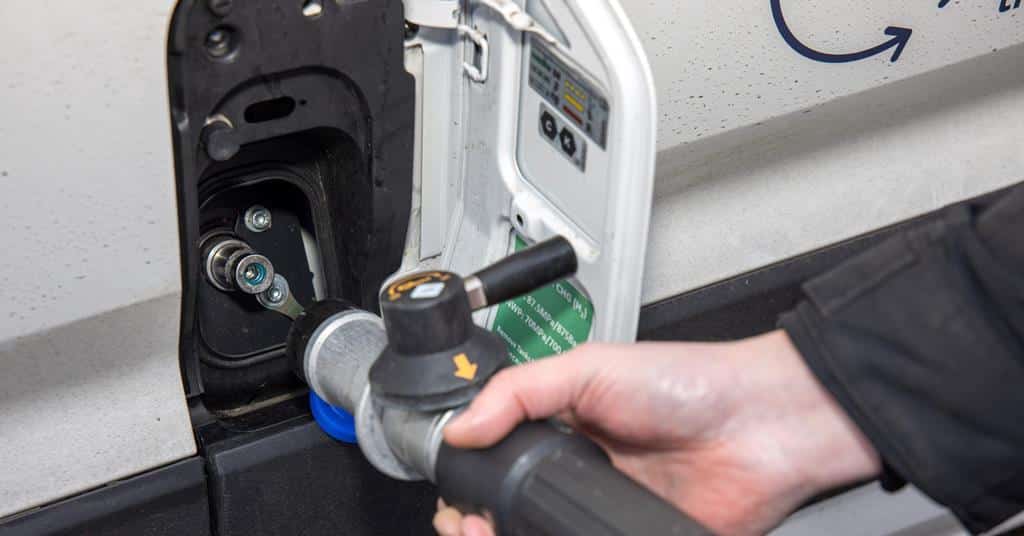

This article delves into Costain’s leadership in pioneering a study aimed at integrating hydrogen refuelling stations into the UK’s gas network to support zero-emission vehicles.
- Costain is at the forefront of exploring the UK’s natural gas network as potential hydrogen fuelling infrastructure.
- The HyDrive initiative seeks to address hydrogen refuelling infrastructure shortages in Wales and South West England.
- The study will involve stakeholder consultations, demand modelling, and recommendations for converting existing petrol stations to hydrogen.
- Success in this project could present a model for broader industry use, aiding the UK’s decarbonisation ambitions.
Costain has taken the lead in a groundbreaking study funded by Ofgem, which explores the capability of using the UK’s substantial natural gas network for hydrogen refuelling, in light of the anticipated rise in demand for zero-emission vehicles. This initiative marks a pivotal step forward in the integration of hydrogen as a sustainable alternative to traditional fuels.
Under the banner of HyDrive, an effort spearheaded by Wales & West Utilities, the project aims to resolve the significant lack of hydrogen refuelling stations across regions of Wales and the South West of England. The study underscores Costain’s pivotal role in meeting future transport demands by consulting with regional stakeholders to evaluate current requirements and predict future network needs. Recommendations will be made to identify petrol stations that could be feasibly converted into hydrogen refuelling sites.
Laura Hughes, Energy Sector Director at Costain, emphasized the significance of hydrogen in aligning with the UK’s strategic goals for decarbonisation and energy transition. She mentioned that through HyDrive, Wales & West Utilities is setting a precedence that could illuminate the barriers to making hydrogen-powered vehicles more commonplace.
Matthew Hindle, Head of Net Zero and Sustainability at Wales & West Utilities, expressed optimism about this project, highlighting its importance in reducing carbon emissions in their respective regions. He pointed out the logistical challenges faced during hydrogen van trials, due to the absence of permanent refuelling infrastructure, further advocating for the necessity of this study.
The success of this project could potentially serve as a scalable model for industrial adaptation, echoing the broader ambitions of nations like the UK to usher in an era of sustainable and zero-emission transport alternatives.
The integration of hydrogen refuelling into the UK’s gas network could transform the landscape of zero-emission transportation nationwide.

