

Costain secures a critical engineering role in UK’s hydrogen future with BP.
- 31km pipeline in H2Teesside to transport blue hydrogen, reducing natural gas use.
- Technip Energies partners with BP for hydrogen production site design.
- East Coast Cluster to halve UK industrial carbon emissions, says BP.
- Cost and timeline details remain undisclosed as planning progresses.
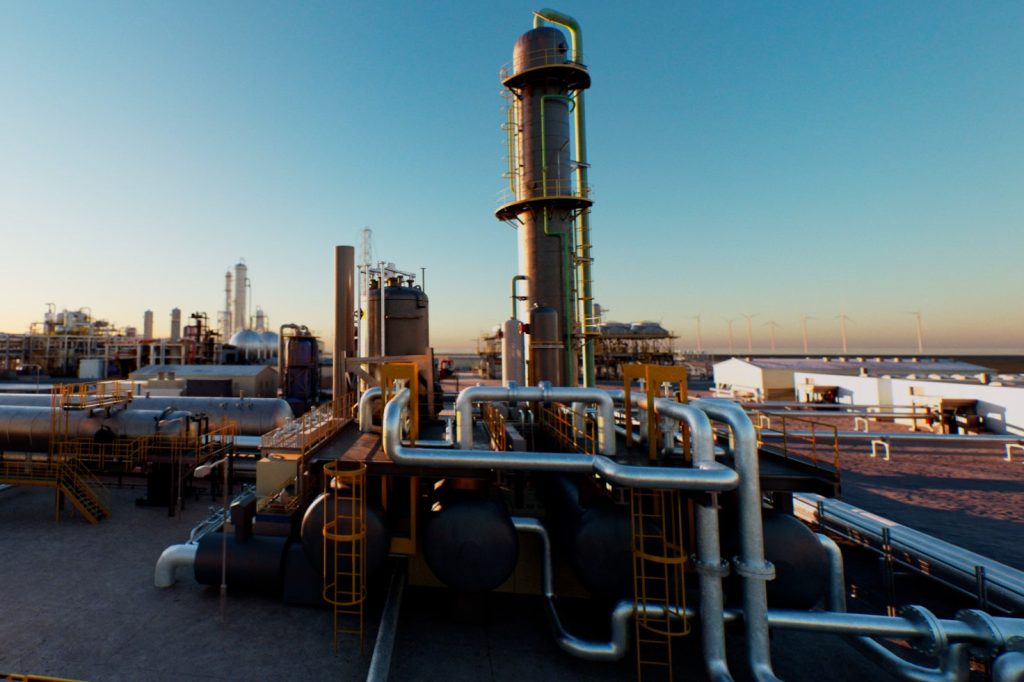
Costain has been appointed by BP to undertake a pivotal front-end engineering and design (Feed) contract for the creation of a 31km hydrogen pipeline in the Teesside region. This project, known as H2Teesside (H2T), is set to deliver purified hydrogen to industrial users, marking a decisive shift from reliance on natural gas, thereby advancing the UK’s hydrogen economy.
Under this ambitious initiative, Technip Energies is tasked with delivering the Feed for the hydrogen production site itself, establishing methodologies, schedules, and project costs. This collaborative effort is anticipated to complete by 2025, highlighting a significant step towards UK’s decarbonisation goals through blue hydrogen production.
The East Coast Cluster (ECC), housing H2T, is poised to be one of the UK’s largest blue hydrogen production facilities, with an annual target of 160,000 tonnes of low-carbon hydrogen production. The ECC aims to integrate seamlessly with regional decarbonisation projects, with potential to store over two million tonnes of CO₂ annually.
According to BP, the project holds considerable promise for boosting the UK’s hydrogen production capabilities, targeting output equivalent to over 10% of the national hydrogen production goal by 2030. It encompasses a supply of hydrogen to diverse consumers while contributing significantly to Teesside’s industrial landscape.
In February, Costain successfully completed a Feed project for an onshore CO₂ pipeline relevant to the East Coast Cluster, paving the way for continued involvement. This progression to construction stages underscores Costain’s comprehensive understanding of local conditions and challenges.
Costain’s Laura Hughes emphasised the importance of flexibility in design to accommodate evolving hydrogen demands, leveraging extensive experience in safe hydrogen handling. “An exciting engineering challenge” is how Hughes described the undertaking, which will also prioritise data-driven safety designs.
Sam White of Costain highlighted this project as transformative, noting its potential to position Teesside at the forefront of the UK’s hydrogen transition, creating both jobs and skill opportunities. Meanwhile, BP’s Andy Lane acknowledged the project’s role in the broader decarbonisation of Teesside’s industry, aligning with the push for a low-carbon hydrogen economy.
Costain’s engineering efforts in Teesside pave the way for significant advancements in the UK’s hydrogen infrastructure.

