
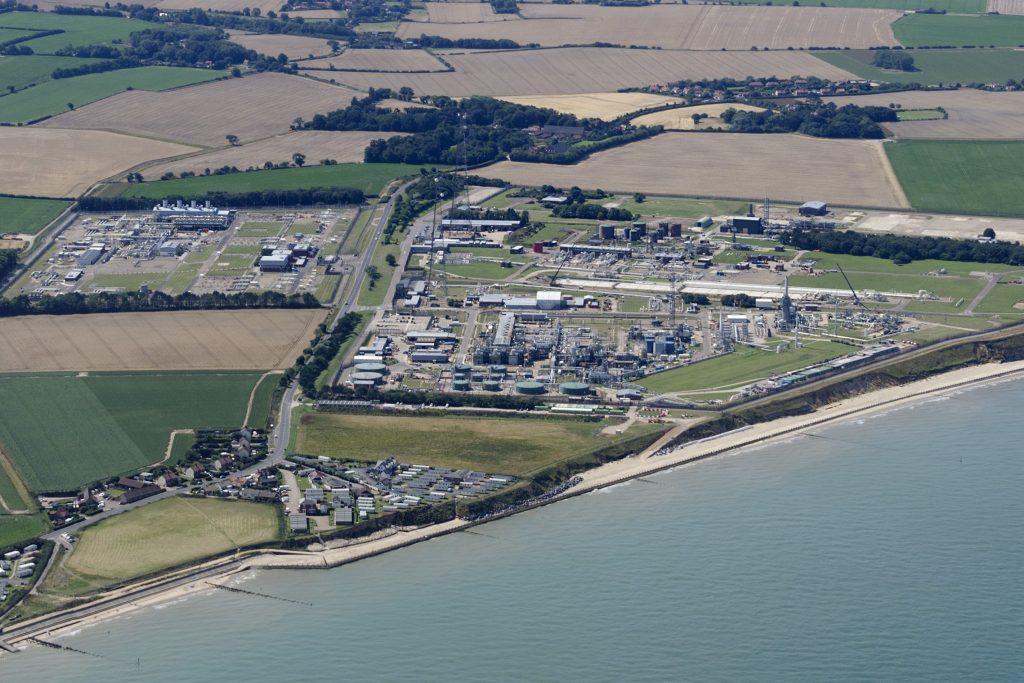

A potential nuclear project at Bacton Terminal in North Norfolk is facing local opposition.
- Viaro Energy has acquired interests in the site from Shell and ExxonMobil.
- Plans for a small modular reactor have been introduced by Viaro in collaboration with Terrestrial Energy.
- Local MP Steff Aquarone voices concerns over environmental impact and coastal erosion.
- Despite opposition, some locals see potential job opportunities from the project.
A potential nuclear development at the Bacton Gas Terminal in North Norfolk has sparked local controversy, highlighting the tension between energy advancement and environmental preservation. Viaro Energy recently acquired full ownership of the site, intent on leveraging its significant footprint and existing infrastructure for future energy transitions. Partnering with Terrestrial Energy, Viaro explores the feasibility of introducing an innovative integral molten salt reactor (IMSR), which could potentially revolutionise the region’s energy production by providing carbon-free heat and power.
Local opposition has emerged prominently, spearheaded by North Norfolk MP Steff Aquarone. Aquarone has fervently criticised the prospect of establishing a nuclear facility on such a vulnerable coastline, which faces rapid erosion due to climate change. He argues that the development contradicts the pressing need to prioritise renewable energy sources in mitigating environmental challenges specific to this locale.
Despite these environmental concerns, some residents perceive the project as a catalyst for economic growth, particularly through job creation. Local councils, though not formally informed by Viaro or Terrestrial Energy, are actively engaging with stakeholders to assess potential developments at the site. They plan to explore viable energy alternatives, such as carbon capture, storage, and hydrogen production, which could complement the terminal’s existing operations.
Viaro Energy has clarified that the proposed project is in its preliminary stages, emphasising the speculative nature of current reports. The company intends to conduct detailed evaluations, considering policy and economic factors, before committing to any concrete plans. The intricacy involved in such undertakings underscores the multi-year timeline required for realisation, with regulatory approvals posing additional challenges.
Though the broader development of small modular reactors in the UK is gaining momentum, primarily supported by government initiatives, private investment remains critical. AMRs promise significant energy contributions but face extensive procedural hurdles before deployment. Viaro’s cautious approach reflects an understanding of these complexities, focusing on strategic evaluations to maximise benefits for the region and its economy.
The debate over the Bacton Terminal’s future underscores the delicate balance between energy innovation and environmental stewardship.

