
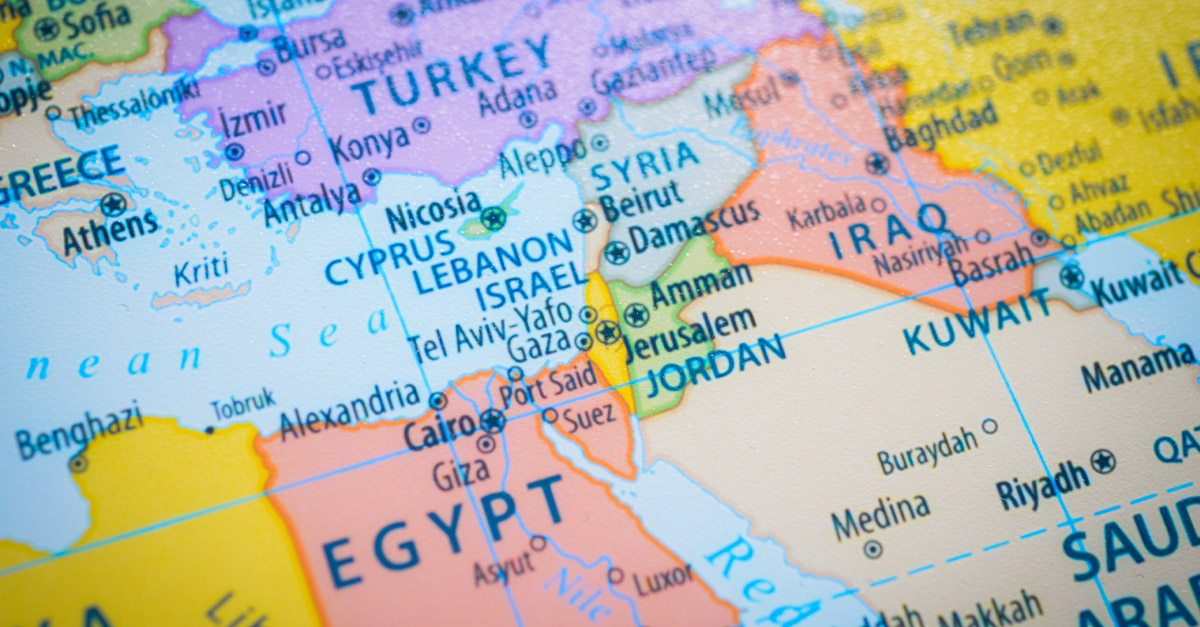

Tensions in the Middle East have sparked consumer concerns about travel safety.
- The Foreign, Commonwealth and Development Office updated travel advisories for nearly 20 countries.
- Tour operators report a low number of concerned client inquiries, emphasising misinformation as a factor.
- Industry leaders assure that existing sales remain unaffected and continue business as usual.
- Travel agencies stress the importance of reassuring customers with factual information.
In the wake of Iran’s recent drone attack on Israel, tensions in the Middle East have prompted concerns among travellers and the travel industry. The Foreign, Commonwealth and Development Office (FCDO) promptly revised travel advisories for almost 20 countries in the region, including notable holiday destinations like Egypt, Jordan, and the United Arab Emirates. Although existing travel advice remained unchanged, the mere update was enough to unsettle some holidaymakers.
Tour operators and travel agents have received a limited number of calls from clients expressing anxiety about their upcoming trips, a reaction they attribute largely to media misreporting. Peter Kearns, of Red Sea Holidays, pointed out that incorrect reports suggesting changes in the travel advice have caused unnecessary confusion among both agents and travellers. Nevertheless, he reassured that the impact on sales remains minimal, asserting that it is business as usual for most operators.
Among travel agencies, there is a collective effort to counter misinformation by ensuring clients are informed with accurate updates. Richard Lowrey-Heywood from Seaside Travel emphasised the unwavering safety guidelines provided by the Foreign Office as a foundation for reassuring concerned customers. Similarly, Sandra Corkin of Oasis Travel highlighted the need to monitor the evolving situation to effectively counsel clients while maintaining optimism about future travel plans.
TravelTime World’s Ashley Quint expressed concern that any further escalation in the Middle East could potentially dampen sales, extending beyond directly affected areas. Bridget Keevil of Travel Stop shared a related sentiment, recalling past instances where conflicts in nearby regions influenced customer sentiments on unrelated destinations as well. Despite this, major companies like Jet2 and Tui continue operations as normal, while closely observing the developing situation.
Unfortunately, EasyJet decided to suspend all flights to Tel Aviv until October 27 due to the ongoing tension. Industry leaders such as Julia Lo Bue-Said of the Advantage Travel Partnership underline the necessity of vigilance, predicting potential rapid developments. This sentiment is echoed by Jacqueline Dobson from Barrhead Travel, stressing the importance of disseminating accurate information to both staff and customers amid heightened demand for popular travel destinations like Dubai.
Observations from industry insiders like Noel Josephides of Sunvil suggest that the lack of immediate consumer reaction does not equate to complacency but rather a cautious wait for Israel’s response to the situation. Companies like Intrepid Travel note a noticeable decline in bookings to regions like Egypt and Jordan, reflecting broader market hesitancy, yet maintain a flexible stance to accommodate any changes in customer plans fuelled by the ongoing conflict.
Harry Hajipapas from Cyplon Holidays indicated a significant drop in new inquiries for destinations like Cyprus, Egypt, and Morocco, attributing this to heightened consumer fear. This wary consumer sentiment is further compounded by sensationalised news reports, which Hajipapas believes exacerbate the general unease surrounding international travel plans. However, he remains hopeful for a peaceful resolution to the geopolitical conflict, advocating for continued consumer support for affected regions, which still welcome tourists.
The travel industry remains vigilant amidst Middle Eastern tensions, relying on factual communication and monitoring developments closely.

