

A substantial rise in construction activity was observed post-election, marking a 26-month high in the Construction PMI.
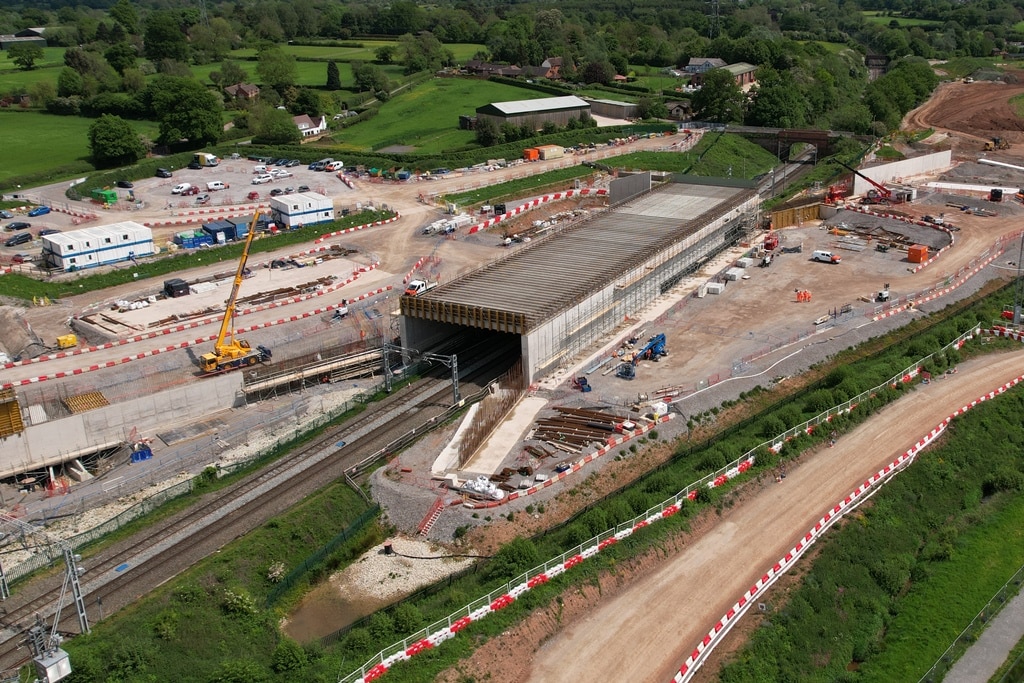
- Civil engineering drove the industry’s growth, with continued progress on major projects like HS2.
- Purchasing activity and staffing levels increased for the third consecutive month, indicating sustained development.
- New business orders expanded for the sixth straight month, highlighting strengthened customer confidence.
- Input cost inflation rose as supplier demand increased, challenging vendor performance improvements.
In a significant upswing post-election, the construction industry experienced a marked increase in activity, as evidenced by the Construction Purchasing Managers’ Index (PMI) climbing to 55.3 in July from 52.2 in June. This rise, the highest in over two years, signified a robust expansion amid an improving market landscape.
Civil engineering emerged as the fastest-growing sector within the construction domain in July 2024, propelled by steady progress on substantial projects such as the HS2. The renewed focus on civil infrastructure highlighted the sector’s potential to galvanise further economic activity.
The data revealed a consistent growth trend, with firms intensifying their purchasing activities and augmenting their workforce for the third successive month. This response was largely driven by the most significant increase in new orders since April 2022, reflecting a rebound in client optimism.
Notably, the willingness of customers to resume previously halted projects indicated a more favourable economic environment. The sixth consecutive month of expanding new business orders pointed to this upward trend.
However, the increased demand posed challenges, as suppliers faced pressure, resulting in relatively stable lead times, ending a 16-month streak of improved vendor performance. Issues in manufacturing and logistics further complicated the supply scenario, yet some suppliers maintained adequate stock levels to manage orders.
On the financial front, the sector witnessed rising input cost inflation, matching levels seen earlier in January 2024. The inflationary trend coincided with heightened demand, underscoring the economic dynamics at play within the construction market.
Despite inflation concerns, the construction industry remained optimistic about future growth prospects. More than half of the respondents anticipated a rise in activity over the coming year, suggesting a cautiously optimistic outlook.
Andrew Harker from S&P Global Market Intelligence contextualised this by highlighting the temporary nature of the pre-election slowdown. He noted that the post-election boom brought the sector closer to full capacity, altering supplier performance metrics and signalling potential inflationary pressures.
Brendan Sharkey of MHA provided further insight, linking the index’s steady position above 50 to economic recovery. He noted that declining interest rates are likely to encourage investment, despite concerns about potential government spending cuts.
Sharkey also voiced apprehensions regarding future public spending, with government announcements potentially impacting infrastructure projects. He reiterated the need for clarity on fiscal policies to cement the industry’s long-term recovery.
The construction sector shows promising growth amid economic shifts, with cautious optimism about future expansion.

