
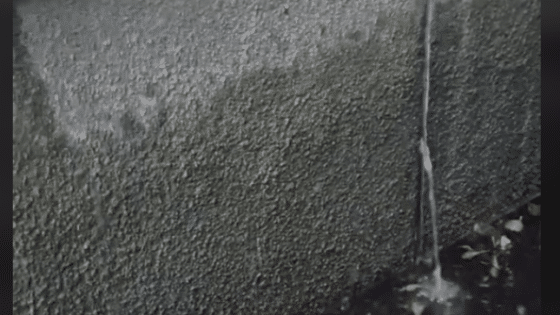

A 25-year-old flood defence wall on the River Chelt is showing signs of leakage, raising concerns about its efficacy.
- The wall was designed to protect against significant flood events but failed during a recent storm.
- A video of the leak, posted on TikTok, has garnered widespread attention and concern.
- The Environment Agency and local councils are currently assessing the situation and considering future measures.
- Residents and properties situated behind the wall are at risk, sparking urgent discussions about flood defences.
A 25-year-old concrete flood defence wall on the River Chelt in Cheltenham has been depicted leaking in a widely shared video on social media. This incident raises significant concerns over the wall’s current state and effectiveness. Originally constructed to guard against events predicted to occur once in a century, the wall’s shortcomings became evident following a recent heavy rainfall episode.
The video shared by Louis Averiss on TikTok on 20 September 2024, has quickly amassed over 850,000 views, with nearly 25,000 users expressing their reactions. In the footage, Averiss comments that while the wall height was increased by a foot previously, it may require further elevation due to the ongoing flood risks posed to nearby properties.
In response to the inclement weather, the Environment Agency took the precautionary measure of issuing three flood alerts on that day within Gloucestershire. These advisories urged residents to take immediate action to safeguard their belongings from potential water damage, reflecting the severity of the threat posed by such infrastructure vulnerabilities.
@bricktok00 #riverchelt #water #rapids #tidllewave #cheltenham #fyp #fypage #downpour #sandbagsneeded #riverdefence #help #gloucestershire #ukweather #ukweatherwarning #ukstorm #seeding
Cheltenham Borough Council has confirmed the identity of the wall featured in the video as being located on the southern bank of the River Chelt, extending from Glynbridge Gardens to Princess Elizabeth Way. Additionally, there exists a wall on the north bank, providing some measure of protection to the properties behind businesses such as Currys and Smyths. However, no tracing of planning applications related to the wall has been successful to date.
The Environment Agency acknowledges that the wall is part of the broader River Chelt Flood Alleviation Scheme, first constructed in 2001. According to an asset management database, it measures 360.97 metres in length and underwent its last inspection on 18 January 2024, where it was assessed to be in ‘fair’ condition. The need for further assessment and potential upgrades is clear, given the current circumstances.
While the Department for Environment, Food and Rural Affairs (Defra) did not provide comments, Jackson Civil Engineering, the contractor involved in both the original construction and subsequent modifications of the wall, also declined to speak on the issue. This leaves local authorities, in collaboration with the Environment Agency, undertaking the necessary evaluations and deliberations on immediate and long-term responses to the problem.
The recent leakage of the River Chelt flood wall underscores the urgent need for reassessment and reinforcement of flood protection measures.

