
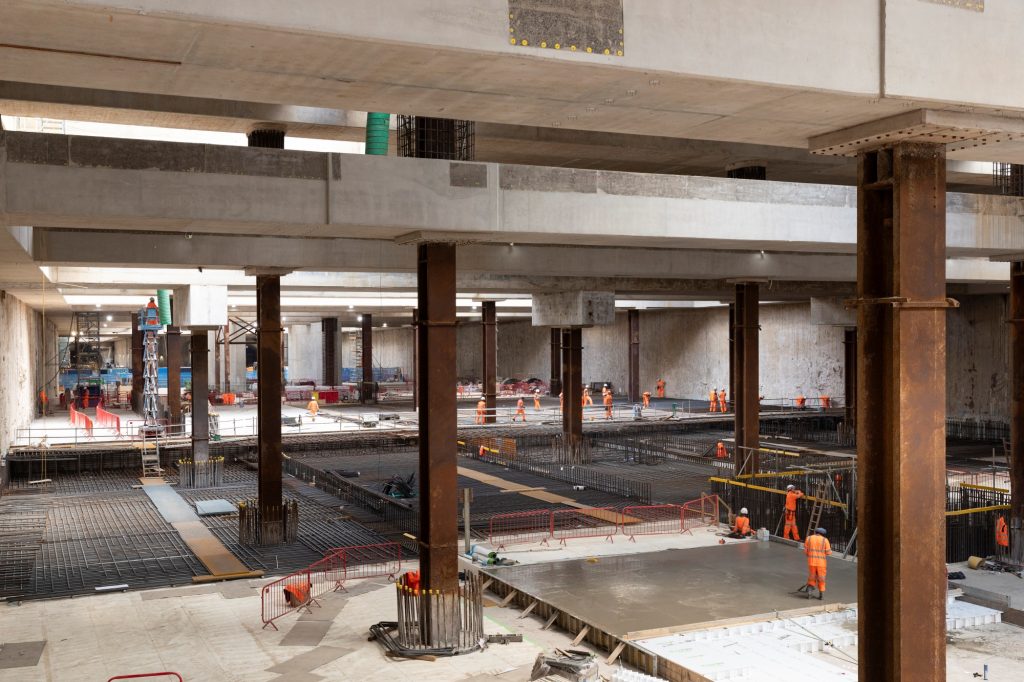

The completion of the Old Oak Common excavation marks a significant milestone in the HS2 project.
- After three years, the extensive excavation work for the Old Oak Common station in West London is finished.
- HS2 Ltd is negotiating with the government on funding for the Euston Tunnel construction.
- The excavation involved the removal of 1.3Mt of London clay and significant engineering challenges.
- The completion paves the way for the next phase of construction, including high-speed and other rail services.
After an arduous three-year endeavour, engineers have completed the excavation for the Old Oak Common station, an integral part of the High Speed 2 (HS2) project. The completion of this large-scale excavation signifies substantial progress in the development of a pivotal transport hub in West London. The project is poised to transform connectivity in the area, bolstering transport links that cater to the modern demands of rail travel.
The excavation commenced following the construction of robust fibre-reinforced concrete walls surrounding the site. These walls span 1.8km and were pivotal in enabling safe and efficient excavation processes. Within this formidable enclosure, 1.3Mt of London clay was systematically removed, a task overseen by the HS2 station construction partner Balfour Beatty Vinci Systra JV (BBVS) in collaboration with Expanded, their specialist structures contractor. The process was meticulously conducted, with excavation carried out section by section, starting from both ends and converging in the centre.
A noteworthy engineering feat involved the assembly of 32,000 tonnes of steel rebar, crafted by hand on-site, and the erection of 160 reinforced concrete columns. This intricate construction supports the outer walls and base of the box, ensuring stability and structural integrity. Furthermore, responsible sourcing of 100% of the steel used and the use of rainwater in concrete mixes reflect a commitment to sustainability in the project’s execution.
As the final clay was removed, the milestone was celebrated by Miguel Jardim, a 19-year-old civil engineering apprentice marking his entry into this prestigious project as the 1,500th apprentice recruited by HS2. His involvement underscores the project’s commitment not only to infrastructure but to generating opportunities, as evidenced by its target of 2,000 apprenticeships.
The cessation of excavation marks the transition to the project’s next phase: constructing six high-speed platforms within the underground structure and additional platforms for various rail services above ground. This will integrate services for the Elizabeth Line, Great Western Mainline, and Heathrow Express, enhancing the station’s role as a multifaceted transport interchange.
The future phases hinge partly on ongoing discussions with the government regarding funding and permission to construct the Euston Tunnel, a crucial link in the HS2 network. Reports have indicated potential funding commitments exceeding £1 billion to advance this aspect of the project. Meanwhile, two tunnel boring machines are to be lowered into the newly completed box to facilitate further tunnelling efforts.
The completion of this excavation has been lauded by HS2 Ltd as a tremendous step forward in the HS2 narrative. Officials have highlighted the proud achievements of their teams, especially the apprenticeship programmes that have enriched the workforce. According to BBVS project director Steve O’Sullivan, “The progress here at Old Oak Common moves us one step closer to completing this key transport hub, which will enhance connectivity and drive regeneration in the area.”
The Old Oak Common excavation heralds a new chapter in HS2’s journey, advancing towards a transformative future in UK rail infrastructure.

