
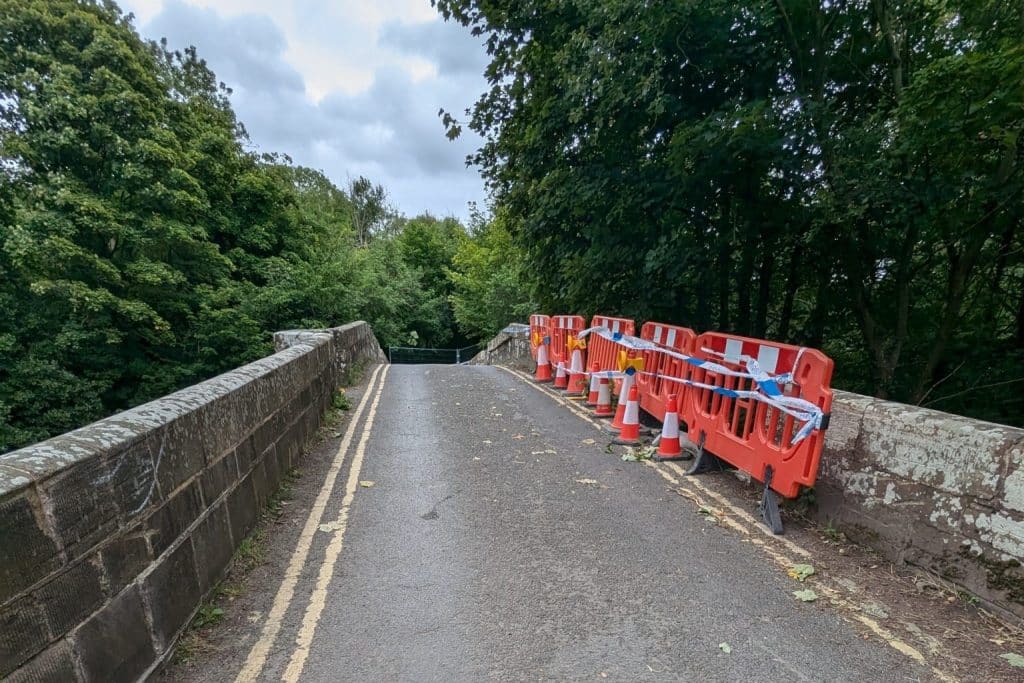

Repair works are set to commence on the historic Grosmont Bridge following damage from a bus crash.
- Temporary repairs are scheduled to begin on 14 October, lasting for five days, to restore the functionality of the bridge.
- North Yorkshire Council is collaborating with the North York Moors National Park Authority on the repair project.
- The bridge has been a crucial transport link for the Esk Valley communities and faces significant restoration challenges.
- A permanent repair plan is being developed, aiming to start in the spring, focusing on careful restoration and skilled craftsmanship.
In the wake of a bus crash that damaged the historic Grosmont Bridge in August, repair efforts are poised to start. The North Yorkshire Council, in conjunction with the North York Moors National Park Authority, is spearheading a project aimed at reinstating the damaged parapet wall of this Grade II listed structure. The temporary repair work is set to commence on 14 October and will span five days.
Utilising breeze blocks, these initial repairs will enable the bridge to reopen and restore its vital role as a transport link in the Esk Valley, a region that has been significantly impacted by the bridge’s closure. Both vehicles and pedestrians have been affected by this disruption, and the upcoming work is crucial to the community.
The incident, which occurred on 3 August, involved a bus crashing through the bridge on Front Street, subsequently causing the vehicle to straddle the River Esk. The complexity of the repairs is heightened by the fact that some of the bridge blocks were crushed when the bus hit the bottom of the beck, necessitating careful planning and execution.
Keane Duncan, North Yorkshire Council’s executive member for highways and transport, emphasised the urgency of the situation, noting the inconvenience caused by the road’s closure. The council has ensured that temporary repairs are possible thanks to their collaboration with the National Park Authority, marking the first step towards a permanent solution.
Annie Longfield-Reeve, senior heritage and conservation officer, stressed the historical significance of the three-arch sandstone bridge, which is an important feature within Grosmont and the broader National Park. A comprehensive restoration, involving skilled stonemasons, is envisioned for the spring. This highlights the dual importance of the bridge, both as a heritage landmark and an essential conduit for local communities.
Restoration efforts aim to both preserve Grosmont Bridge’s historical value and reinstate its crucial transport function.

